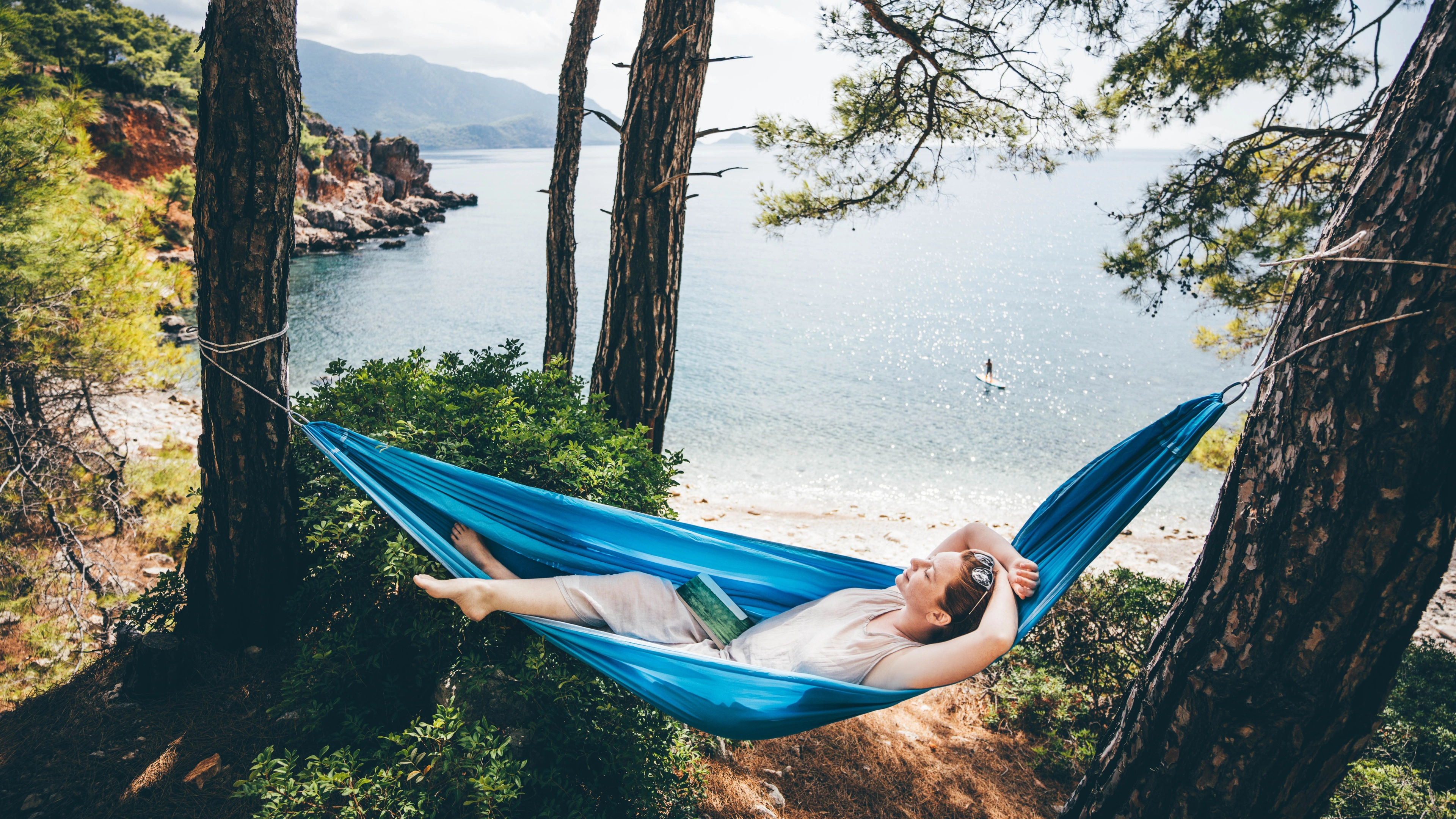
Experts warn why you should never take a 'Sleepcation'

Getting enough sleep is a hard task these days, but when it comes to booking a 'sleepcation', it might not be the answer to your problem.
As humans, we need to have a certain amount of Zzz's every night so we can optimally function.
If not, things start to go downhill, and not just emotionally.
According to the Cleveland Clinic, not meeting your sleep criteria can lead to something called 'sleep deprivation', where you're essentially starving your body of sleep.
Advert
When this happens, your health can take a hit, and you may experience things like developing high blood pressure (hypertension) and high cholesterol (hyperlipidemia).
You may also be at a much higher risk of developing Type 2 diabetes, have higher pain sensitivity, get sick easier, and also make it more likely to feel symptoms of depression and anxiety.
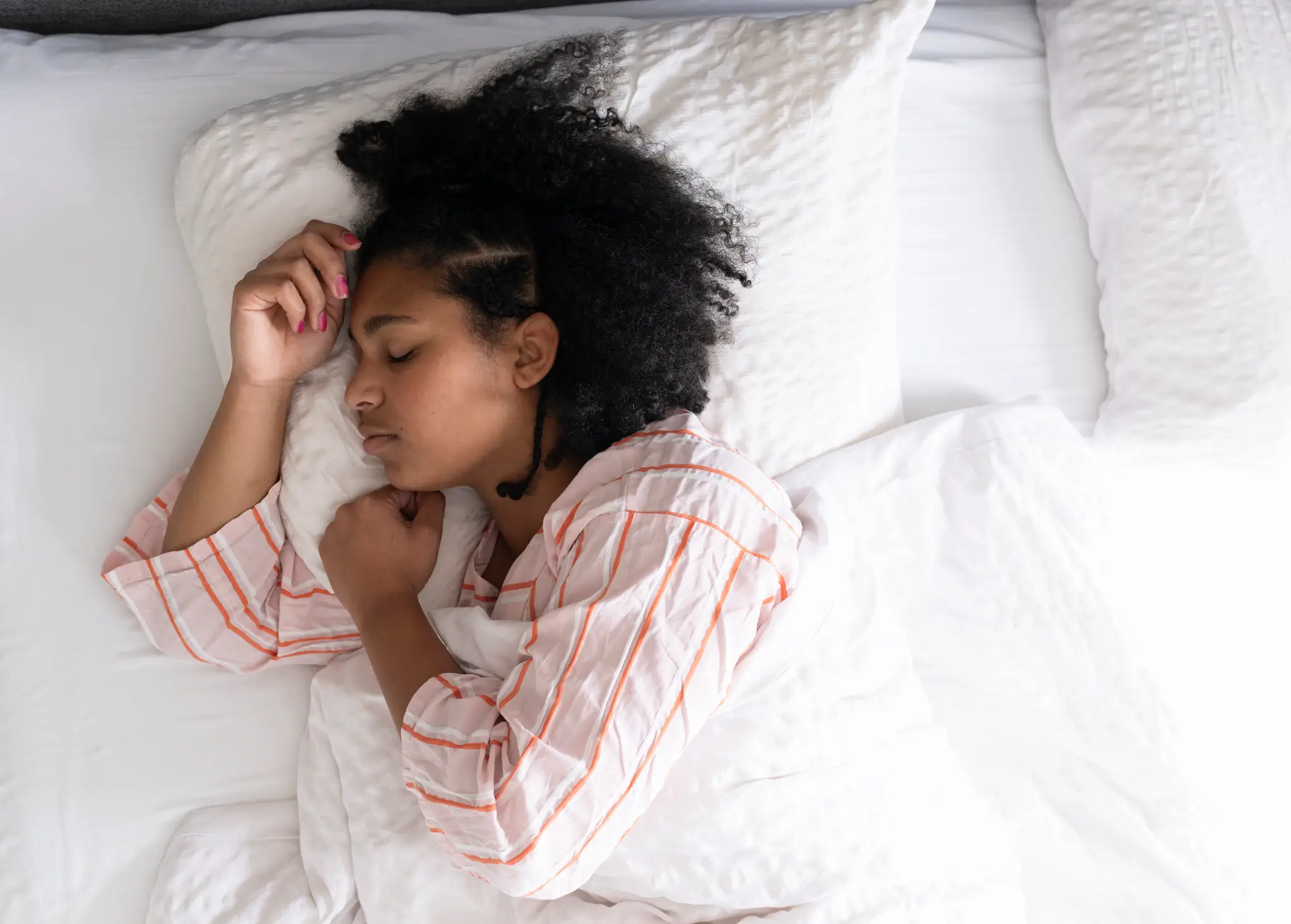
According to Dr David Garley, the director at The Better Sleep Clinic, and Dr Hana Patel, an NHS GP and resident sleep expert at Time4Sleep, you might feel 'emotionally slightly friable' with 'blunted' cognition, they revealed to Metro.
However, while you might be tempted to get more hours of sleep by going to bed early, Dr Garley said this could 'throw off your natural rhythm.'
Similarly, an expert has warned sleep deprived people of steering clear of booking a 'sleepcation', a vacation dedicated to sleep.
In 2014, the American naturopath Alan Christianson first promoted the idea of a sleepcation as a tool for professional performance, so workers of the corporate world could reclaim their sleep.
Calling it essential in his book The Adrenal Reset Diet (2014), his prescription included booking a hotel for three nights, lowering the blinds, avoiding stimulants, and letting yourself sleep day and night until fresh.
According to Tracy Hannigan, Insomnia Therapist at Tracy The Sleep Coach, a sleepcation is 'a vacation or holiday with no real plans other than sleeping in.'
She said, per Vice: “This could be done at home (like a ‘staycation’), but often these sleepcations are away, so the person doesn’t have to manage household affairs and can focus entirely on getting some rest."
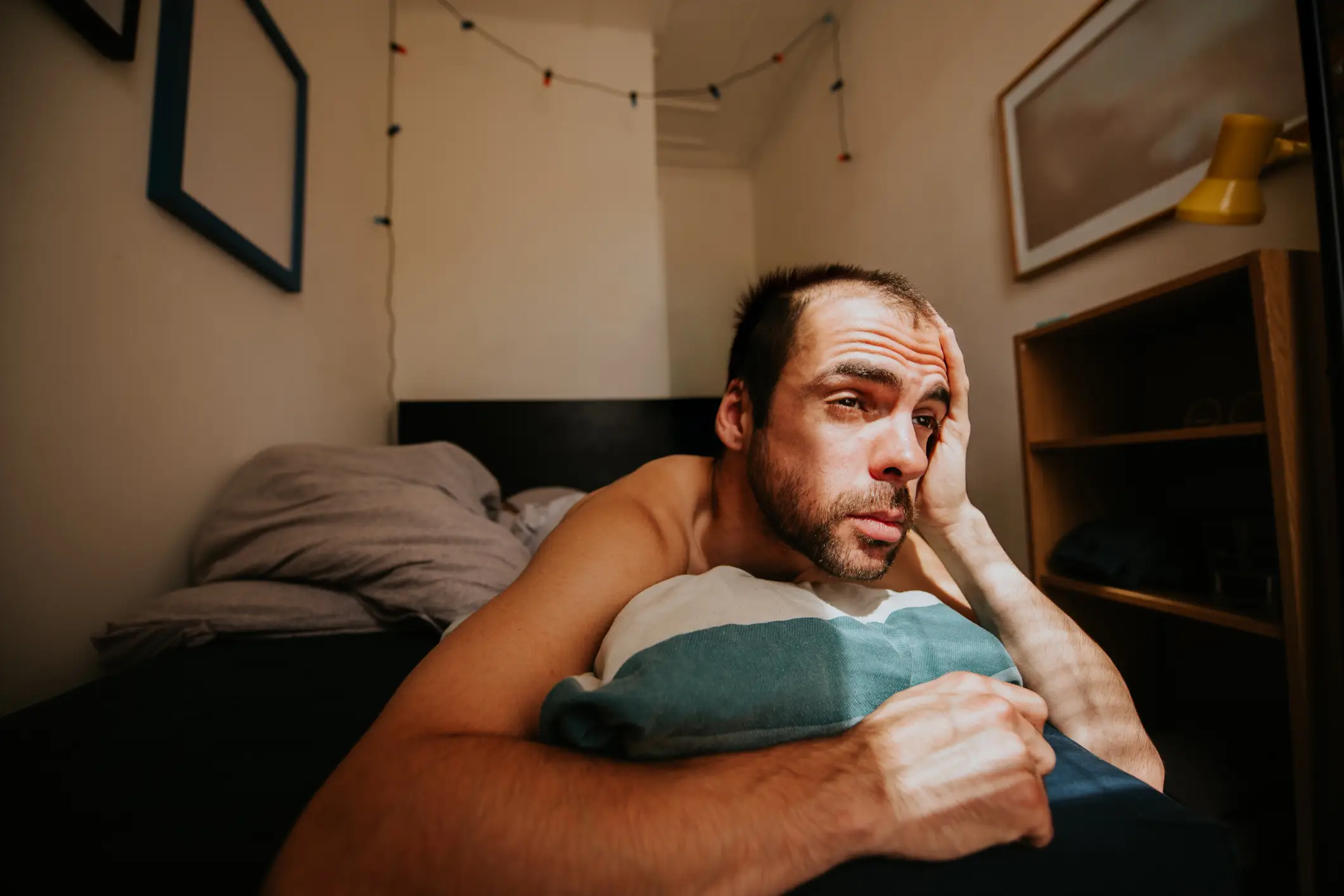
But while this seems like an obvious solution to catching up on lost sleep, she said it's not the right way for some.
“For good sleepers, [sleepcations] can reduce the burden of external responsibility and allow more time and space for sleep,” argues Hannigan. “If someone has not had sufficient sleep, this can be enjoyable and useful. Arguably, finding ways to prioritize sleep without needing to pay for a holiday is a longer-term ideal solution, but in the short term, some rest and catch-up on sleep debt can be helpful for otherwise good sleepers.”
But for those with sleep issues like insomnia, she said this could reinforce their preference for sleeping away from home – making it harder to fall asleep in their own bed.
She said: “If a person with insomnia sleeps better when they are away from home and leans into going away regularly to get better sleep, this can actually worsen the sleeping problem at home. It may feel good in the short term, but the issues contributing to ongoing poor sleep at home never get addressed properly or resolved because of the ‘escape’ to the sleepcation.”
 Britt Jones