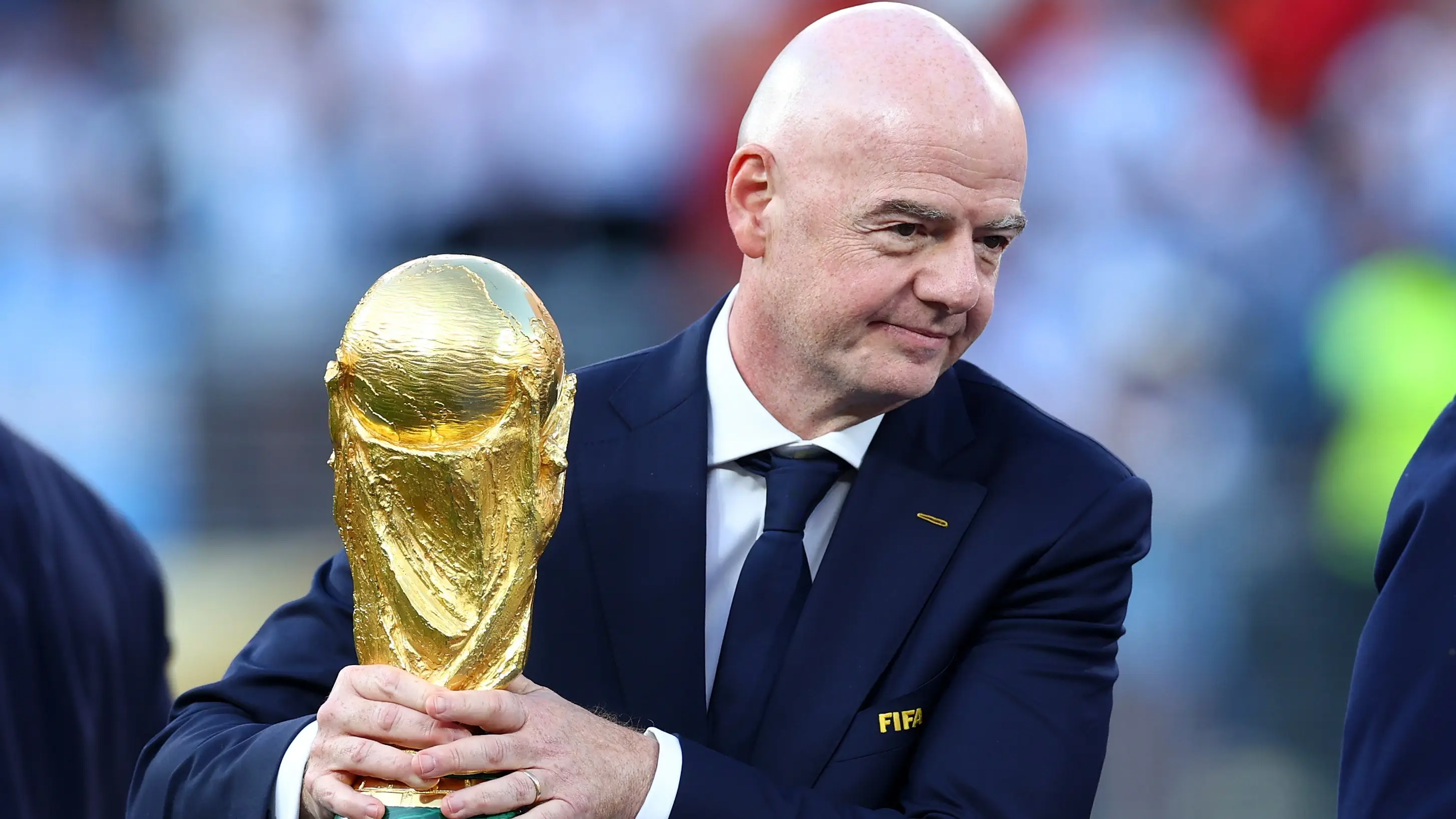
FIFA's controversial plan for 2030 World Cup explained as 96 countries announce boycott

International football has been plunged into its biggest political crisis in modern history - with a shocking new proposal threatening the future of the next World Cup in just four years time.
An extraordinary rebellion has erupted against FIFA, with 96 countries across Europe (UEFA) and North, Central America and the Caribbean (CONCACAF) rising up to oppose FIFA President Gianni Infantino’s controversial commercial plans.
The boiling point came after UEFA’s 55 member nations met in an emergency session and unanimously voted to boycott the World Cup and all FIFA competitions.
Shortly after, CONCACAF—representing 41 member associations—publicly backed UEFA’s stance, rejecting FIFA's vision for the future stewardship of global football.
Advert
The total boycott threat leaves the 2030 World Cup in complete disarray, as two of its three primary co-hosts—Spain and Portugal—are among the UEFA nations vowing not to participate.
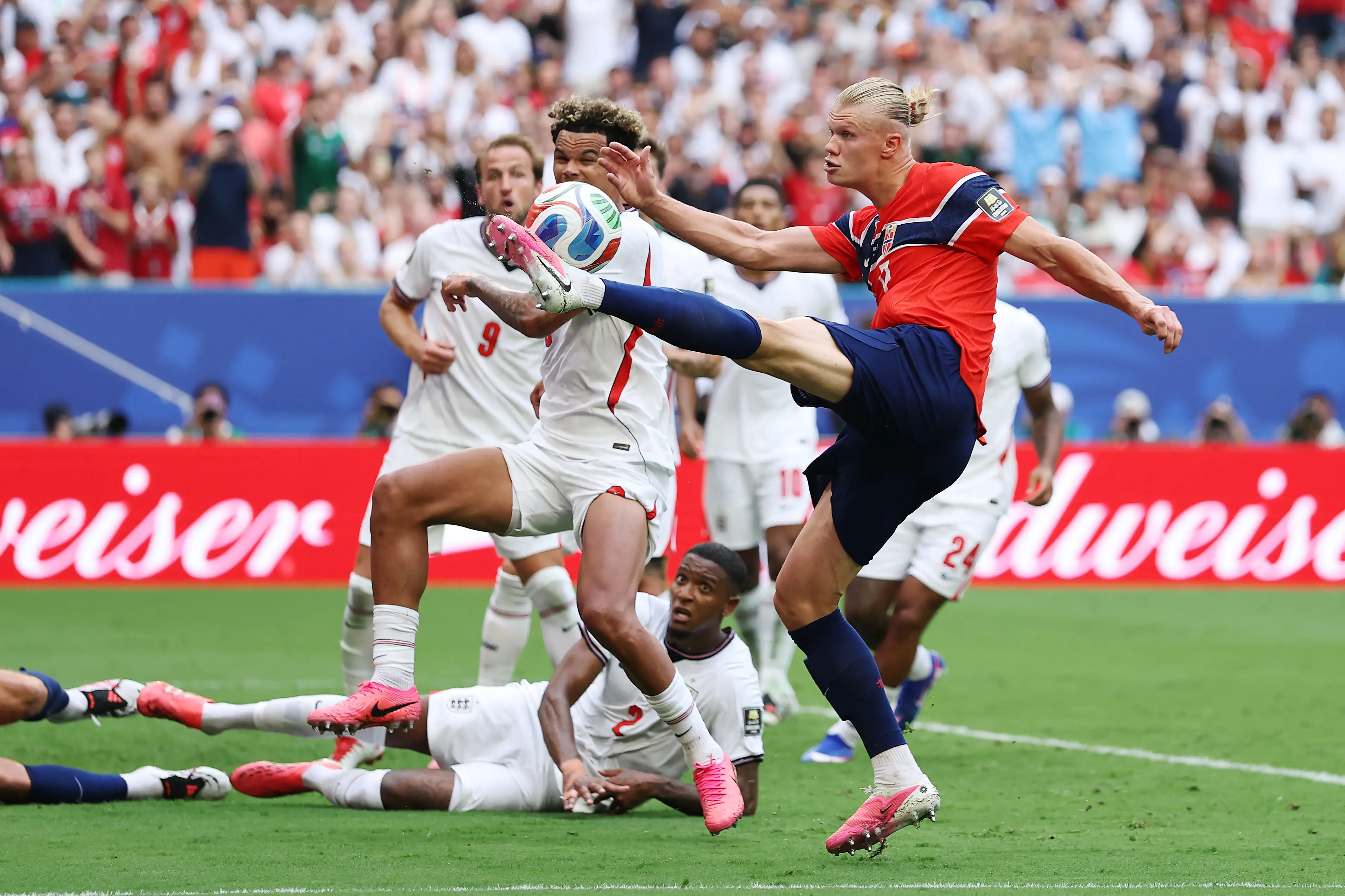
What exactly is FIFA's $20 Billion Plan?
At the heart of the civil war is a proposal unveiled by FIFA to create a new commercial entity—dubbed the FIFA Forward Enterprise—valued at roughly $20 billion.
Under Infantino’s blueprint, FIFA would sell a 20% minority stake in this subsidiary to private equity firm Thrive Eternal, an investment vehicle led by Joshua Kushner, the younger brother of Donald Trump's son-in-law Jared Kushner.
To sweeten the deal for national federations, FIFA promised an immediate, upfront windfall of $20 million cash to each of its 211 member associations, alongside increased funding cycles through 2030, subject to a member vote scheduled for September.
Why Are 96 Nations Fighting Back?
Despite the cash offer on the table, opponents argue that selling a permanent stake in international football's crown jewel to private shareholders would forever corrupt the spirit and governance of the game.
UEFA issued a blistering 470-word statement explaining their unanimous boycott decision, accusing FIFA of mortgaging football's soul for short-term financial gain.
“The World Cup cannot be treated as an investment product,” UEFA’s statement read. “The moment external investors acquire ownership interests in FIFA competitions, football changes forever.
"Commercial return becomes a permanent obligation... Every decision is no longer driven by what best serves the game, but by what best serves shareholders. The FIFA World Cup belongs to football. It is not for sale.”
Football leaders, player unions, and fan advocacy groups have echoed UEFA's concerns, fearing that private investors would push for expanded calendars, commercialized match formats, and higher ticket prices to maximize returns - all of which would directly impact on fans being able to watch and support their favourite teams.
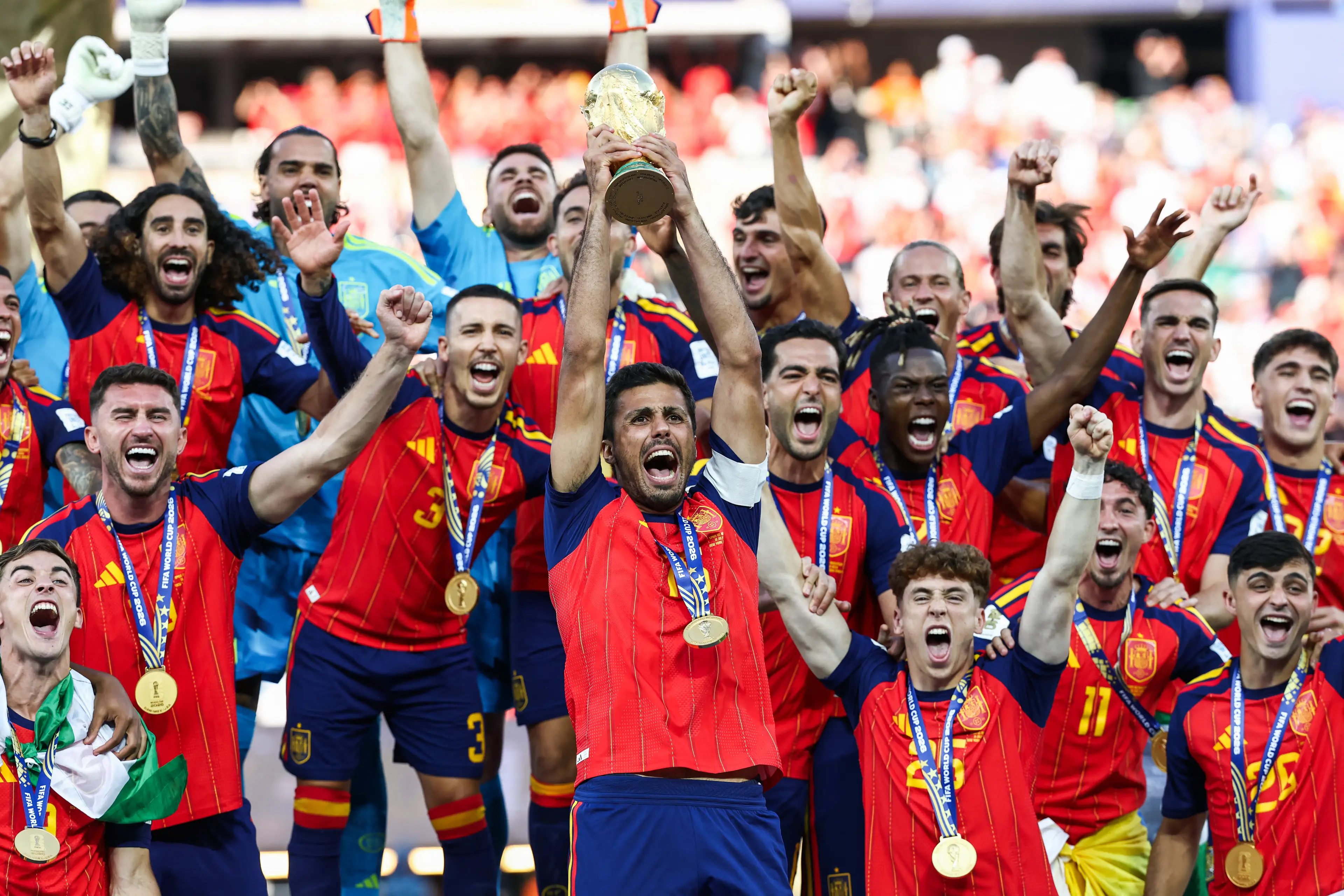
What Happens to the 2030 World Cup?
The 2030 tournament—designed as a historic centennial celebration held across Spain, Portugal, and Morocco, with opening ceremonial matches in Uruguay, Argentina, and Paraguay—is now on life support.
If UEFA’s 55 members maintain their boycott, traditional powerhouses including England, France, Germany, Italy, and defending world champions Spain will not participate.
Furthermore, hosting matches in Spain and Portugal would become legally and politically impossible while both federations are actively boycotting the governing body.
With European and North American confederations holding nearly half of FIFA’s 211 votes, Infantino faces an impossible path forward ahead of September's scheduled vote.
Unless FIFA backs down and pulls its private equity proposal, international football faces an absolute shutdown.
 Phoebe Tonks