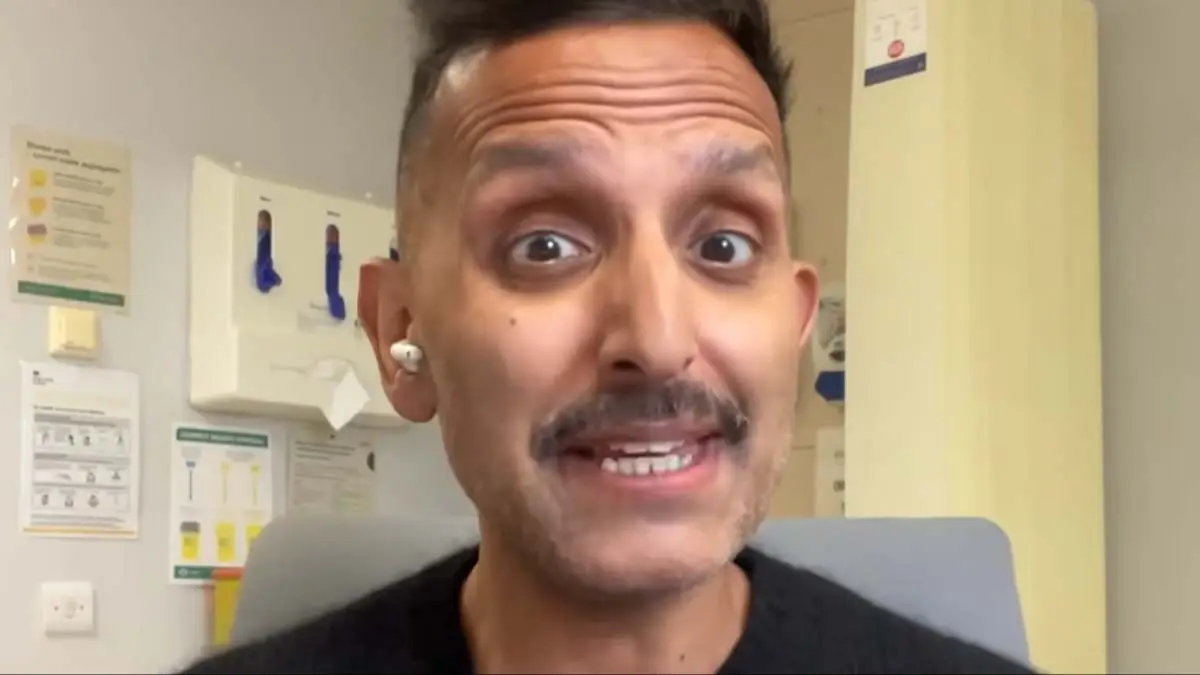
Doctor reveals the simple ABCDE check that could 'save your life'

A doctor has shared a straightforward five-step checklist that he says could save your life, all you need to do it is know your ABCDEs.
Dr Amir Khan, known for his regular appearances on TV, shared the technique on his podcast No Appointment Necessary, which he co-hosts with Cherry Healey.
The method is designed to help people identify whether a mole on their skin could be showing signs of melanoma, one of the most serious forms of cancer.
Melanoma is the fifth most common cancer in the US. The American Cancer Society estimates that over 112,000 new cases of invasive melanoma are diagnosed annually.
Advert
While less common than non-melanoma skin cancers, it accounts for the vast majority of skin cancer deaths.
What makes it particularly dangerous is its ability to spread to other parts of the body if left undetected.
Its primary cause is ultraviolet light, whether from the sun or from sunbeds, and as with any cancer, catching it early dramatically improves your chances of successful treatment.
Dr Amir's advice is built around something medical professionals call the ABCDE criteria, a checklist used when examining moles.
Here is what each letter means, and what to watch out for.
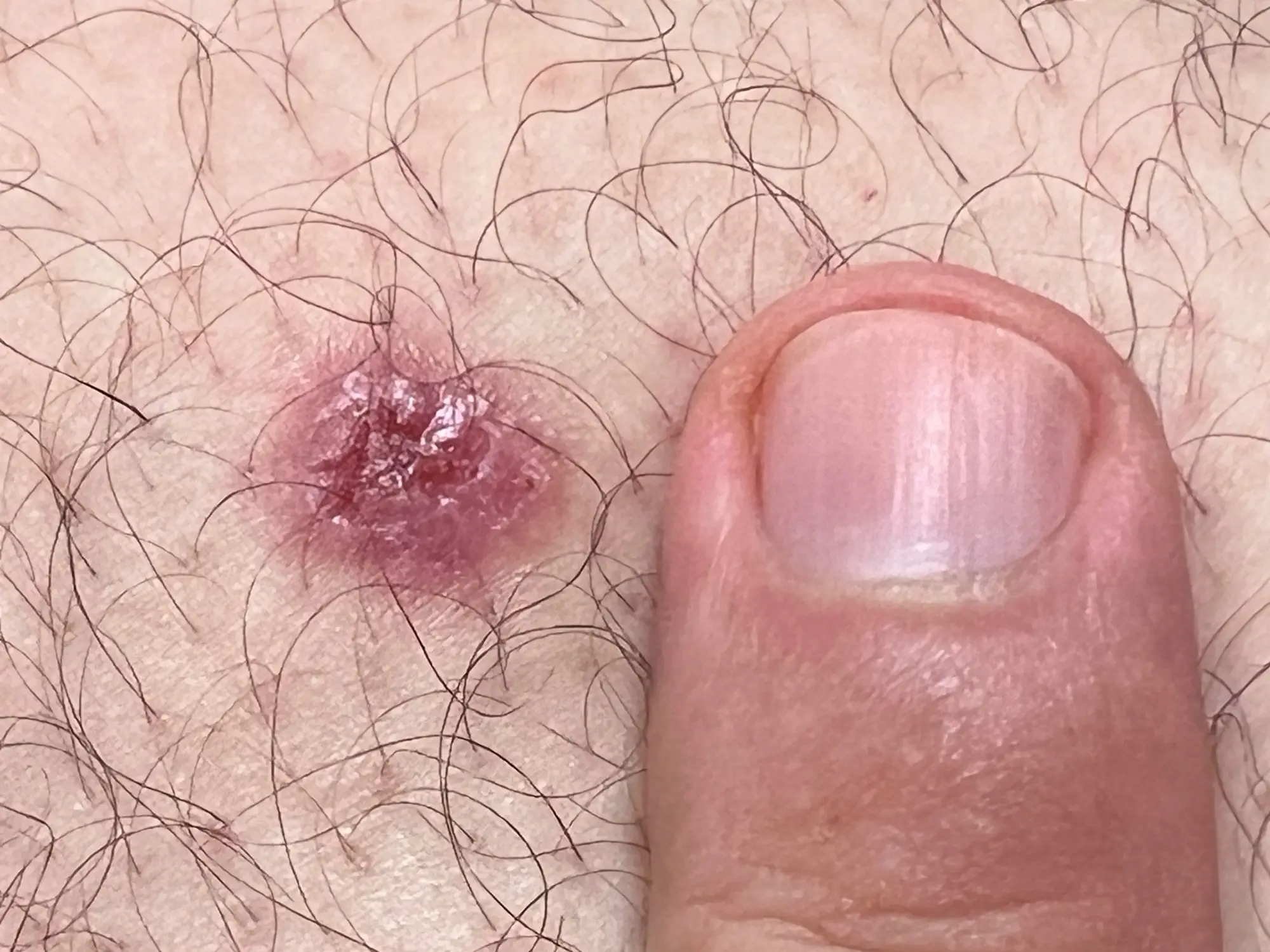
What is the ABCDE check?
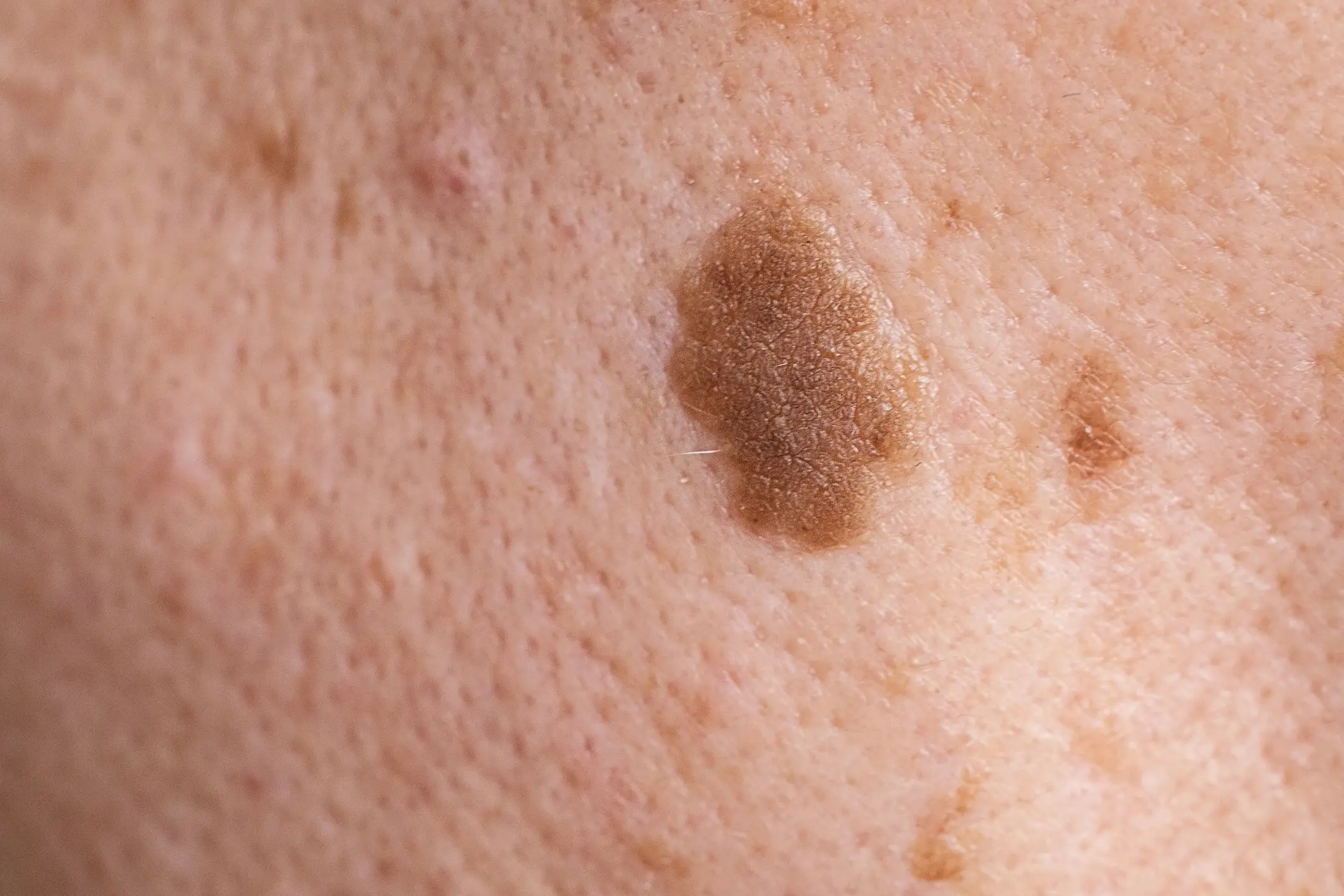
A is for Asymmetry. The first thing to look at is whether your mole is the same on both sides.
Dr Amir explained: "If it is asymmetrical, that's slightly more worrying. If it's symmetrical, less worrying." A healthy mole should look roughly the same if you were to draw a line through the middle of it.
B is for Border. Next, look at the edges. "If the border of your mole is regular, nice and smooth, less worrying," he said. "If it's irregular, more worrying." Ragged, notched, or blurred edges are a potential warning sign worth getting checked.
C is for Colour. A mole that is a single, uniform colour is generally less concerning. If yours contains multiple shades, different tones of brown, black, red, white, or blue within the same mole, that is something to bring to a doctor's attention. "If it changes colour in parts of it, more worrying," Dr Amir said.
D is for Diameter. Size matters when it comes to moles. According to Dr Amir, anything smaller than half a centimetre is less concerning, while anything larger than half a centimetre is worth monitoring more closely or getting professionally assessed.
E is for Evolving. This is perhaps the most important factor of all. Any mole that is changing over time, whether it is growing, changing shape or colour, becoming itchy, or starting to bleed, should be seen by a doctor as soon as possible. "Has it changed, has it grown, has it become itchy, has it bled, has it evolved over time? That is more worrying," Dr Amir said.
The key message is simple: if you notice any of the above when checking your moles, do not wait.
The sooner a potentially cancerous mole is assessed by a medical professional, the better your chances of catching it at a treatable stage. If you are ever in doubt, book an appointment with your Doctor.
Dr Amir added: “Generally, if there's two or more of those things going on in that ABCDE I would send that person to a dermatologist to, to have it looked at.”
 Thomas Bamford