
Doctor explains why the risk of Alzheimer's could be shaped long before you reach old age

A doctor has issued a warning to anyone in their 30s and 40s about the everyday choices that could be damaging their brain.
While many of us assume cognitive decline is just an unfortunate part of getting older, a top neurologist says the damage begins decades earlier.
Dr David Perlmutter recently sat down with Steven Bartlett on The Diary of a CEO podcast to discuss the true causes of cognitive decay.
He explained that our metabolic health - driven by choices we make every day regarding sleep, diet, and exercise - plays a role in our dementia risk.
Advert
When Bartlett asked at what age the disease starts, the doctor explained that the internal changes happen long before any memory loss becomes visible.
Perlmutter argued that doctors should be having proactive conversations about brain health with patients in their 30s and 40s.
"The reality is it's like a heart attack. We don't wait for you to have a heart attack to begin looking at your blood lipids, looking at your blood pressure," Perlmutter explained.

Instead, he said medical professionals should be proactively asking younger patients: "Are you active? How are you sleeping? What's your physical activity like?"
The neurologist stressed that these daily metabolic choices dictate whether the brain's immune system will protect or attack healthy synapses over time.
He pointed to a 2025 study from the Journal of the American Medical Association that tracked the physical activity of participants across three different age brackets.
The research divided the participants into a younger group aged 26-44, a middle-aged group aged 45-64, and an older group aged 65-88.
The results showed a 41% risk reduction for those who were the most active in the middle-aged group compared to those who were the least active.
Meanwhile, participants in the older bracket who remained highly active saw their dementia risk drop by 45%.
"Exercise is the multi-tool here. It is a huge and readily available tool for each and every one of us," Perlmutter said.
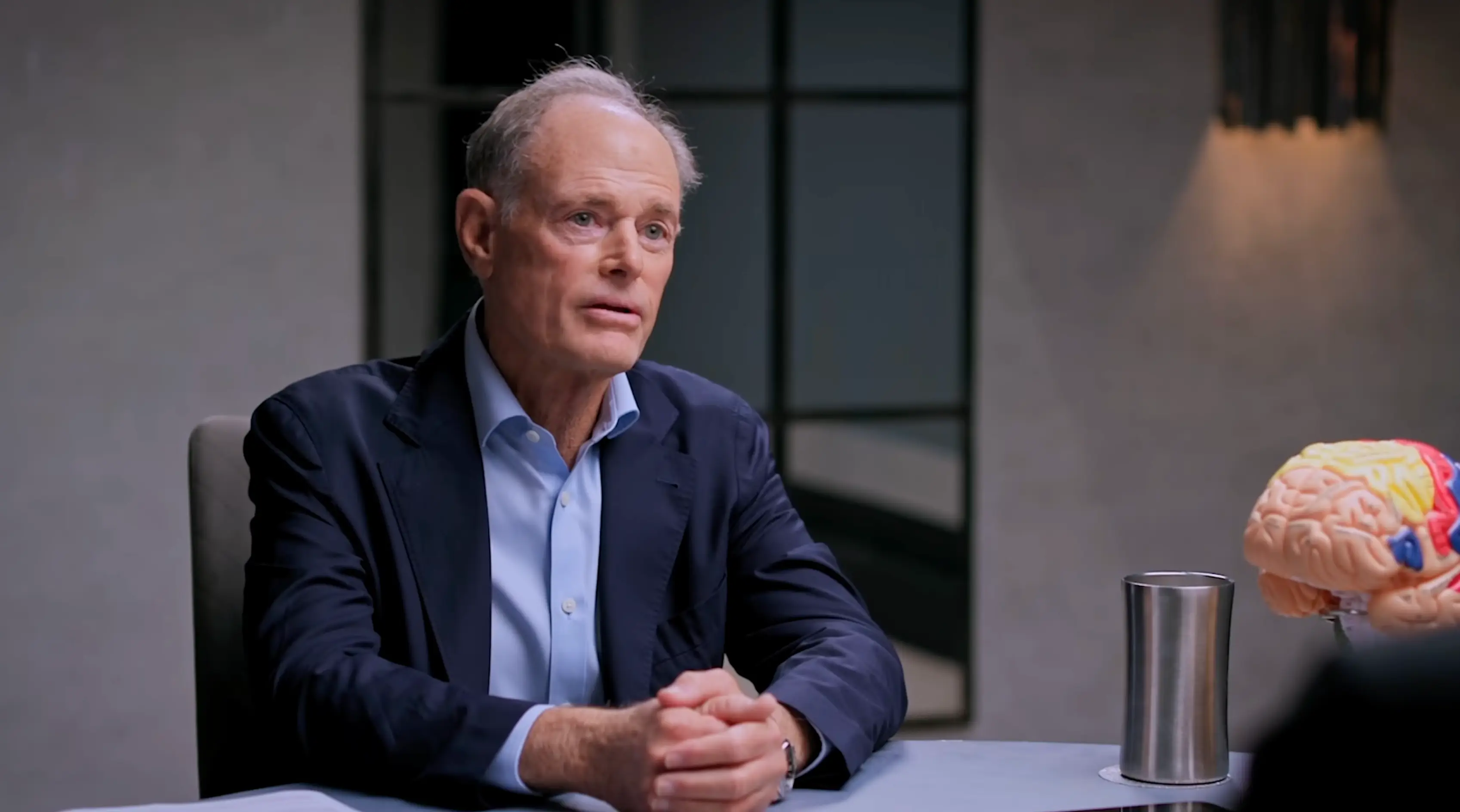
"That's what doctors should be teaching patients. Not well, it looks like you're cognitively impaired, we're going to put you on an IV therapy every two weeks and hope for the best."
Perlmutter warned that a poor diet, non-restorative sleep, and a lack of social connection also directly contribute to cognitive decay over time.
He stressed that Bartlett, who is currently 34, is the perfect age to begin laying the foundation for a healthy brain by taking control of his metabolism.
While genetics do play a role, the doctor urged younger adults to embrace the fact that their later brain health depends on what you do now.
"We live in a world where we're sort of messaged to really live your life come what may, however you like, and there'll be some magic development in the world of neuroscience that will save you when your brain isn't working like it should," Perlmutter added.
"We aren't there yet - I welcome that day, but we aren't there yet. What we really understand now, in fact the greatest advancement in nueroscience is that our lifestyle choices are really the architects of our brain's destiny."
 Joe Yates