
The one facial feature that could reveal if you are at risk of developing dementia

One specific facial feature has been linked to an increased risk of dementia and it's very common.
New research has determined that wrinkles, specifically crow's feet, could be leading indicators of a person's risk of developing dementia later in life.
The researchers, based in China, found that people who looked older than they really are had a 60 percent higher risk of being diagnosed with the degenerative brain condition over 12 years, even after taking health and lifestyle into account.
A second study revealed crow's feet, or wrinkles around the eye area, had a major link to the disease. Those with heavier wrinkles around the eyes had over double the odds of measurable cognitive impairment in contrast to people with the fewest crow's feet.
Advert
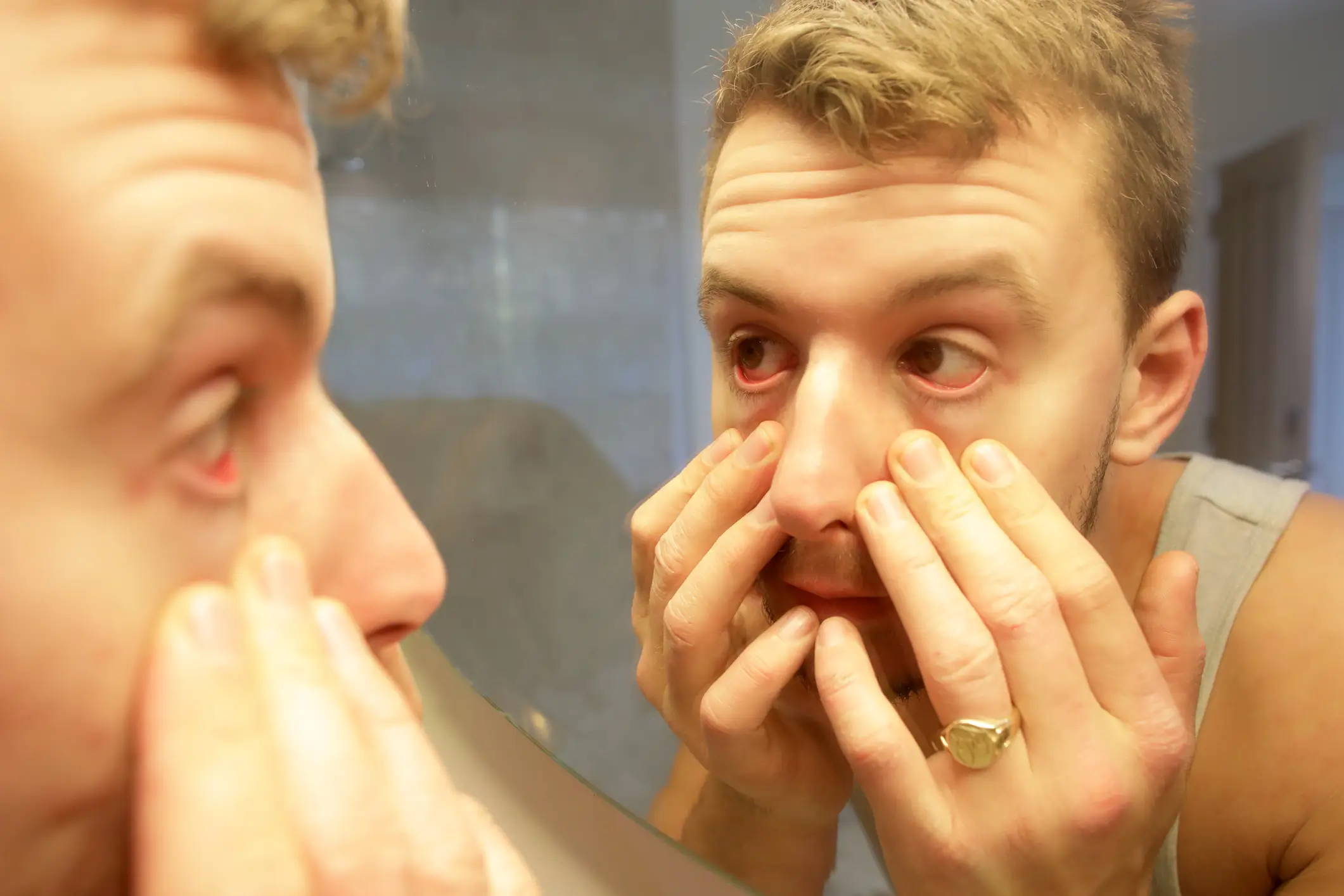
Crow's feet reflect environmental damage which has built up over time. Specifically, they're related to sun damage, which is a source of systemic oxidative stress and inflammation. This is linked to brain aging.
The area features thin skin which is vulnerable, therefore if it is showing advanced signs of aging this could be due to the body's repair mechanisms struggling, which are also linked to the brain.
"Facial age (both subjective/perceived and objective) could serve as an indicator and applied into screening strategies for identifying and treating risk population of cognitive decline or dementia in early intervention for older adults," the study, published in the journal Alzheimer's Research & Therapy, concluded.
Researchers used health data from over 12 years as part of the UK Biobank Study of more than 195,000 Brits aged 60 and over. UK participants were tasked with answering the question, 'Do people say that you look younger than you are, older than you are, or about your age?' to provide data for the study.
Variables like age, lifestyle and health were taken into account, and eventually it was concluded that those who said others thought they looked older had a 61 percent higher risk of dementia.

That said, the link between looking older and dementia was not the same for all, with three specific groups of people - those with obesity, those mainly outside during the summer, and people who had a higher genetic risk of Alzheimer's - being more at risk than others.
Common Pathogenic Mechanisms is the term used by scientists to describe the idea that old age and wrinkles can posed a heightened risk of dementia. Facial aging provides a visual estimate of the body's biological age and its likelihood of developing age-related or brain impacting diseases.
 Danni King