
Expert reveals 6 early warning signs of dementia that could show up around Christmas gatherings

Warning: This article contains discussion of dementia which some readers may find distressing.
As families prepare to come together for Christmas, some may spot subtle changes in their loved ones that often go unnoticed the rest of the year.
There are currently an estimated 6.7 million Americans living with dementia, and that number is expected to more than double to 14 million by 2060, according to the Centers for Disease Control and Prevention.
With cases on the rise, it's more vital than ever before to keep on the lookout for signs in those closest to them - as early diagnosis can help patients access immediate treatment to improve symptoms and quality of life.
Advert
While we are all aware of common symptoms such as forgetfulness, slower thinking and difficulty managing everyday tasks, researchers have also highlighted some less obvious warning signs that can appear in early stages.

Dr Byron Creese, a senior lecturer in psychology at Brunel University London, has stressed the importance of early diagnosis.
"We know that early diagnosis of dementia is really important to help people get the right support," he told the Express.
"To do that, we need to use every tool at our disposal.
"Blood tests will likely be important in the future, but we also need to understand the full spectrum of symptoms that might give us clues as to who is most at risk."
Highlighting the six early warning signs, Dr Creese explained: "It is important to look out for behavioral changes such as agitation, aggression, mood changes, anxiety, social withdrawal and changes in behavior that were not there before."
Yes, spotting those signs in a loved one could be enough to raise concern - especially if they appear suddenly or seem out of character.
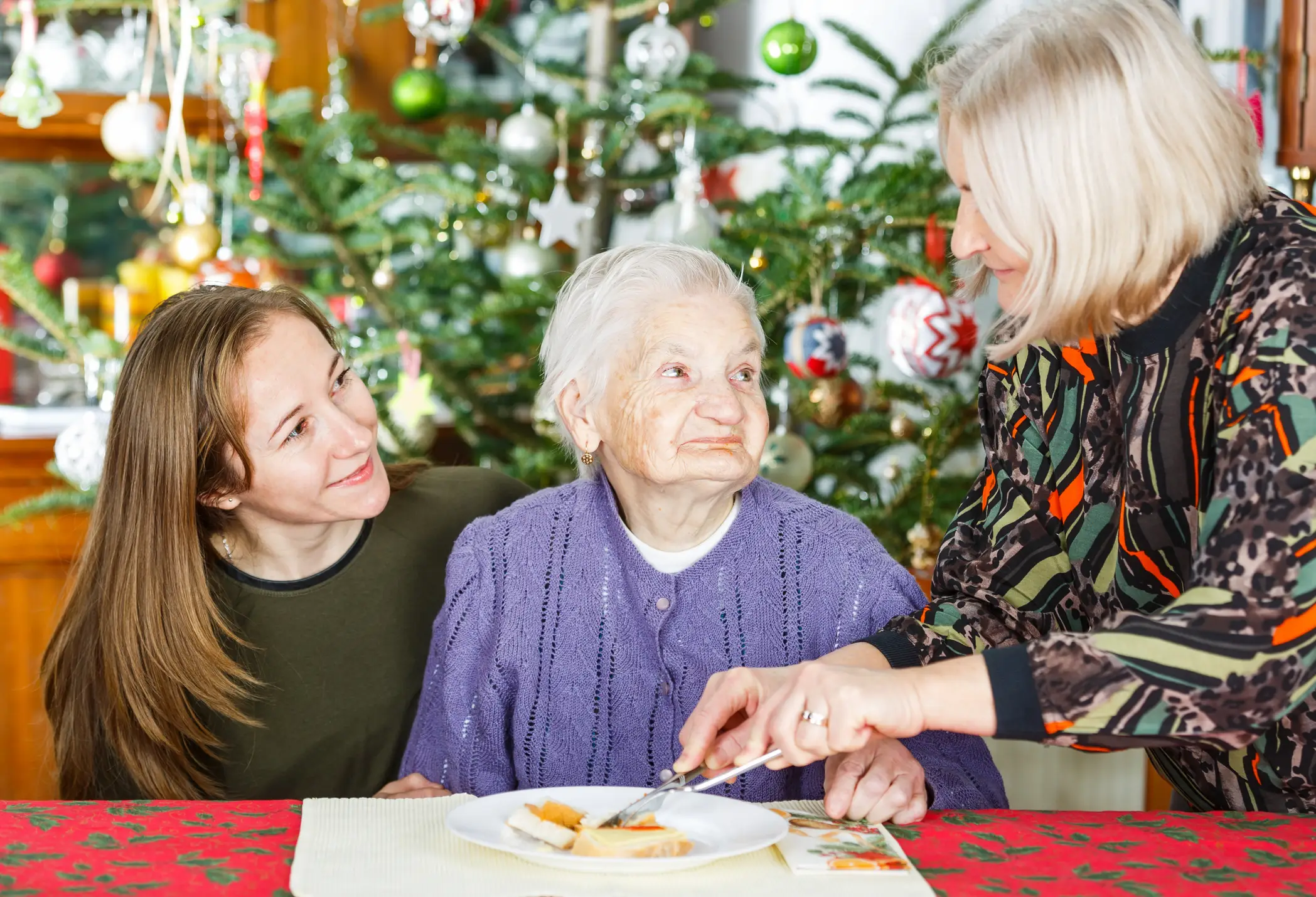
He continued: "These behavioral symptoms can emerge as new symptoms in older adults who are cognitively normal, and there is emerging evidence that they might be the first sign of an underlying disease like Alzheimer's in some people."
According to the doctor, these personality and behavior changes may sometimes be more telling than memory problems alone.
"When these kinds of symptoms occur alongside memory and thinking problems, they seem to signal the greatest risk of dementia compared with memory and thinking complaints alone," Dr Creese added.
If you've been affected by dementia or Alzheimer's and would like to speak with someone in confidence, contact the Alzheimer's Association via 800.272.3900 open 24 hours seven days a week.
Topics: Dementia, Christmas, Health, Mental Health
 Joe Yates