
Cancer doctor reveal 5 common symptoms most people overlook

Early cancer detection can drastically increase a person's survival rates, making it even more important that people know which symptoms to look out for.
According to Cancer Research UK, when cancer is detected early (in stages 1 or 2) it means that treatment is more likely to be successful.
In England for example, more than six in ten people with lung cancer will survive their illness for five years or more if it's detected during stage 1. In additional to this, 'almost all' people found with breast cancer during stage 1 will survive their cancer for five years or more.
With these optimistic figures in mind, it's key that people are aware of signs of cancer and when to seek medical attention.
Advert
Dr Timothy Woodman, Medical Director, Policy and Cancer Services at Bupa UK, has revealed what some of the most common cancer symptoms are.

Unexplained fatigue
"If you’re sleeping well but still find that you’re tired all the time without there being any clear reason why, speak to a health professional and get yourself checked," Dr Woodman said.
"There could be several reasons behind unexplained fatigue, including stress, nutritional deficiencies, diet and dehydration. However, in some cases, it could be caused by cancer, so it’s always wise to get yourself checked if you’re concerned."
Unintentional weight loss
Dr Woodman said that if you or others have noticed that you've lost weight but you've haven't 'consciously changed your diet or been exercising more' then you should go speak to a healthcare professional.
"Certain types of cancer can cause your body to lose the ability to absorb nutrients from your food, or can cause blockages or swelling in your organs which can make you feel full and lose your appetite," he said.
"Unexplained weight loss can occur for several reasons, but it’s always best to get checked to rule out more serious causes."

Unexplained aches and pains
Of course if you fall off a set of ladders then you're going feel a bit banged up and bruised, but if you find that you're experiencing unexplained aches and pains then you should get yourself checked out as it could be a sign of cancer.
"It’s especially key to speak to your doctor if the pain worsens or changes," Dr Woodman insisted.
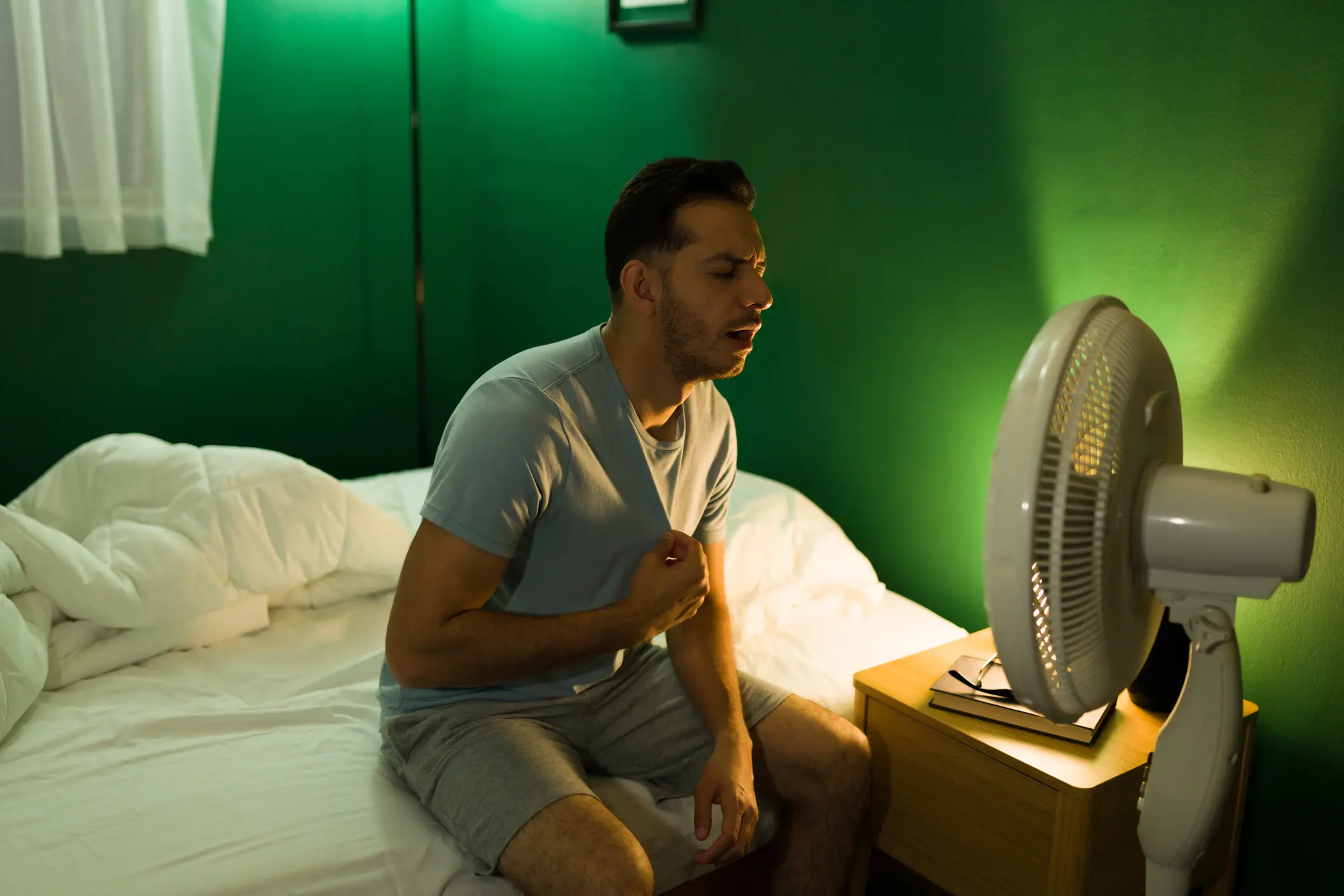
Excessive sweating
"You might notice excessive sweating more at night, especially if it soaks your bedding," said Dr Woodman, adding: "Often night sweats are caused by menopause, medications or infections, but in some cases it can be indicative of cancer, so it’s always best to be sure and get checked."
Lymphoma is one type of cancer that's commonly linked to excessive sweating, said MyLymphomaTeam. This particular symptom is experienced by one out of four people with Hodgkin lymphoma, and one out of three people with fast-growing non-Hodgkin lymphoma.
Bruising
Sudden bruises and bruising easily could be a sign of blood cancer in some people, Dr Woodman explained.
He said: "If you’ve not hurt an area of your body but notice bruising, speak to your GP, particularly if this is something you’ve noticed on a recurring basis.
"For some people, sudden bruises or bruising easily without a cause could be a sign of blood cancers which can affect how well your blood is able to clot. Getting this checked early can help to rule out more serious cases."
When to see a doctor ASAP
When it comes to certain symptoms, Dr Woodman says you should try see your healthcare professional ASAP.
"Some symptoms, like new skin lumps, growths, unexplained bleeding or coughing up blood, should alert you to speak with a healthcare professional as soon as possible," he urged.
"For other persistent symptoms, speak to a healthcare professional if they’ve lasted for three weeks or longer, such as an unexplained cough, bloating, fatigue and weight loss."
If you’ve been affected by any of these issues and want to speak to someone in confidence, contact the American Cancer Society on 1-800-227-2345 or via their live chat feature, available 24/7 every day of the year.
 Niamh Shackleton