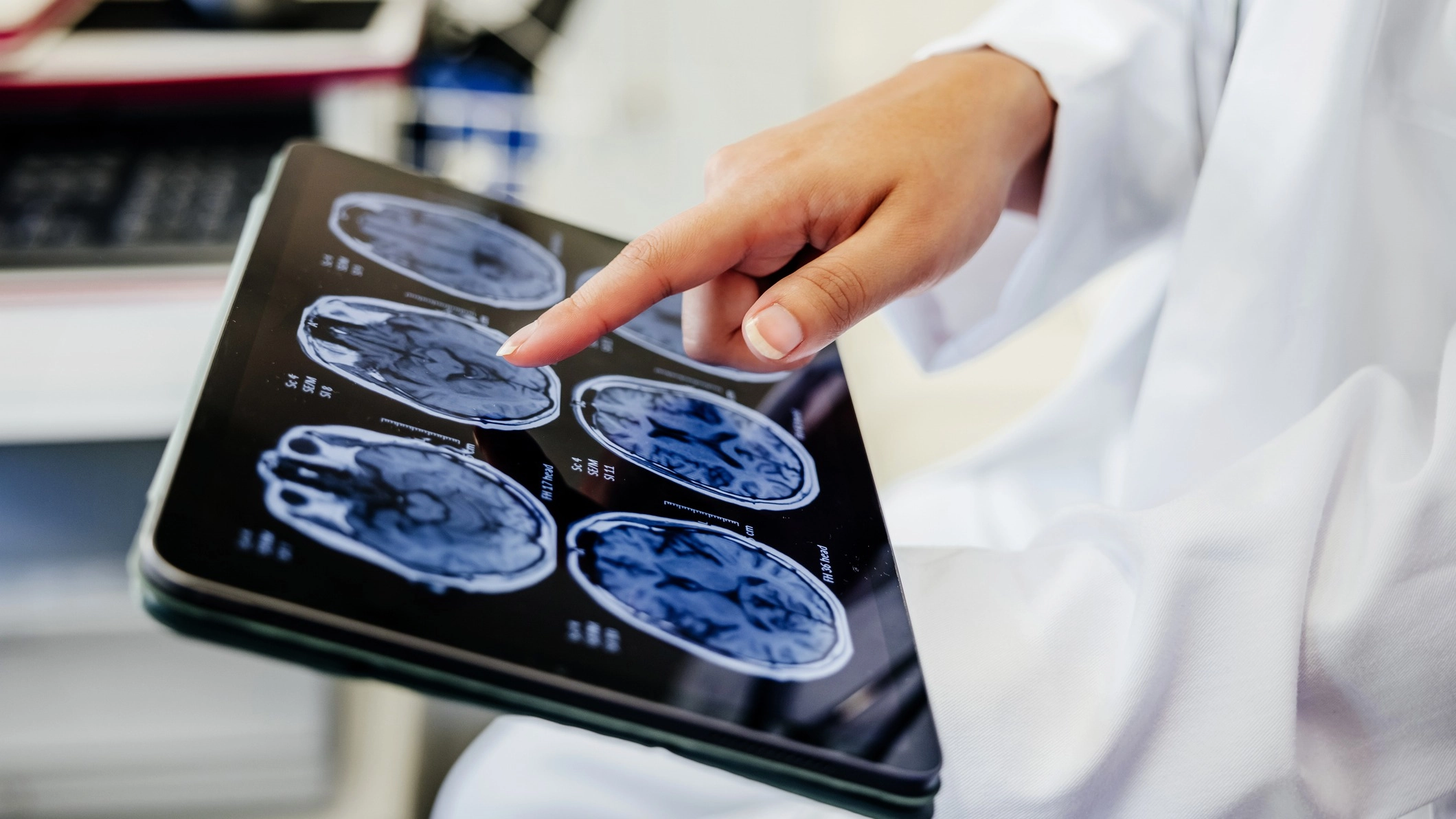
Scientists make major Alzheimer's breakthrough after discovering how to trigger brain's 'cleanup crew'

More than six million Americans are living with Alzheimer's disease, which not only destroys the sufferer's memory and personality, but also places an immense emotional and financial burden on families.
Researchers have clarified the role of the CASS4 gene, which may be one of the body's front line defences against the progression of Alzheimers.
The gene, known as CASS4, had been repeatedly linked to Alzheimer's risk in earlier genetic studies, yet its biological function remained poorly understood.
Now, researchers at UVA Health say it helps immune cells in the brain to contain the harmful plaques that build up during the disease, according to a study published in the Journal of Experimental Medicine.
Advert

Experiments in mice showed that disrupting the gene allowed those plaques to accumulate more aggressively, damaged neurons and contributed to cognitive decline.
Researchers now believe that restoring or strengthening its activity could offer a new approach to treating the disease.
How does the brain normally contain Alzheimer's plaques?
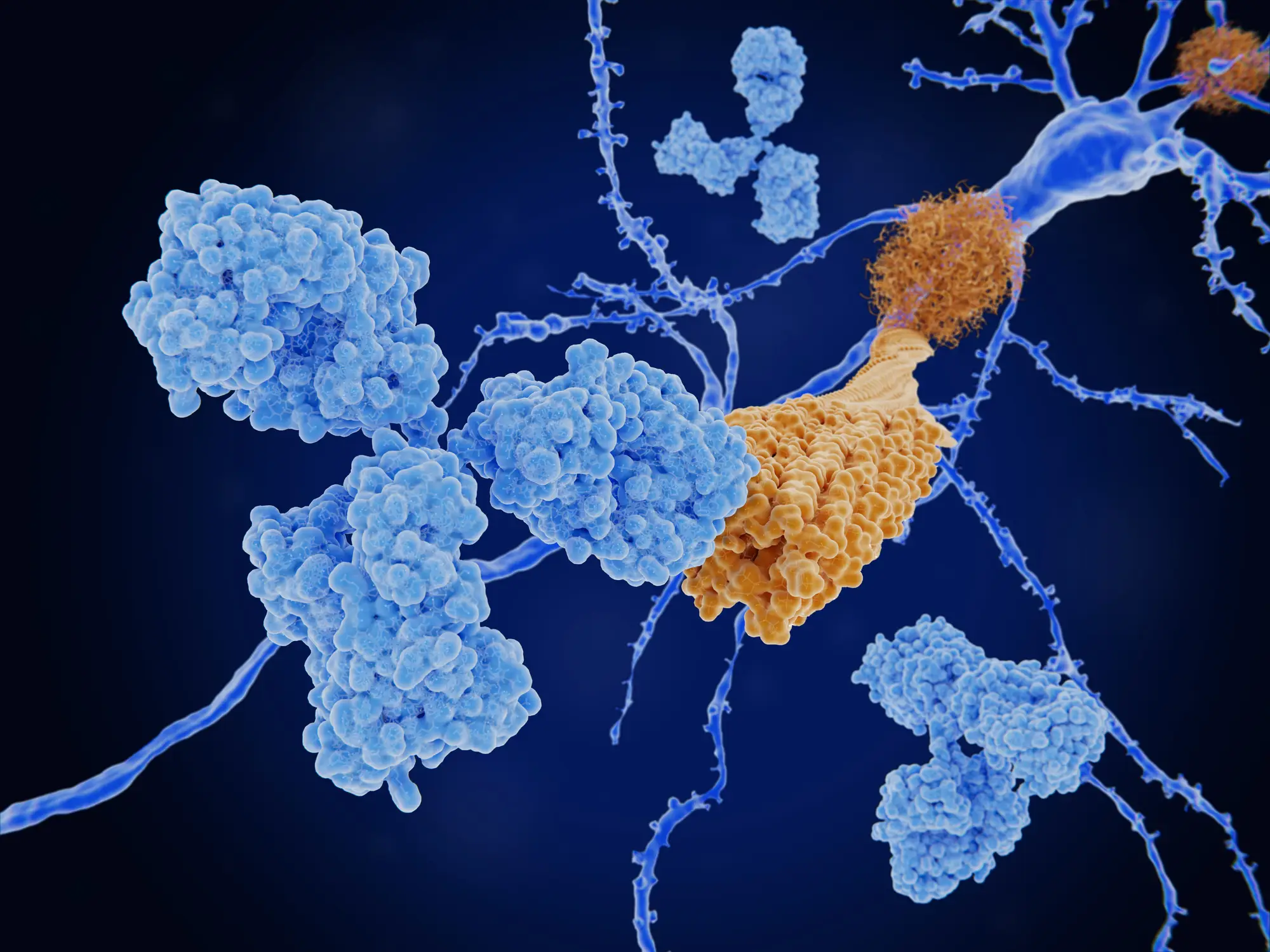
Two abnormal deposits are the hallmarks of Alzheimer's: sticky clumps known as amyloid-beta plaques and abnormal tangles of tau protein. Both have been tied to nerve cell damage, breakdowns in communication between neurons and a steady decline in memory and thinking.
Defending the brain against them falls partly to microglia, specialized immune cells.
When they are working properly, they gather around amyloid-beta plaques, form protective barriers and squeeze the deposits into smaller, tighter structures that limit the harm they can do.
In mice lacking normal CASS4 function, however, the microglia were less effective at surrounding and compacting plaques, the team led by John Lukens, PhD, found.
“Despite CASS4 being an Alzheimer’s risk gene, really nothing is known about what this gene does or how it affects the brain during disease,” said Addie Walsh, a UVA physiology graduate student and the study’s first author.
What could the CASS4 discovery mean for Alzheimer's treatment?
Dr Lukens, who directs UVA’s Harrison Family Translational Research Center in Alzheimer’s and Neurodegenerative Diseases, said the findings point in two directions. “Our work further suggests that defective CASS4 activity may serve as an early-onset biomarker to detect Alzheimer’s and that therapeutic strategies which boost its function may offer a much-needed approach to treat this devastating brain disease,” he said.
However, the findings come from preclinical research, so further studies are needed to determine whether targeting the gene would benefit patients.
Lukens, of the Department of Neuroscience at the University of Virginia School of Medicine, said many in the field had initially assumed CASS4 worked in neurons. “Our findings shift this paradigm by proving that CASS4 predominantly acts through the immune system,” he said. He added that immune-targeting strategies have only recently been considered for neurodegenerative diseases, calling this an ‘untapped therapeutic avenue with tremendous potential’.
 Thomas Bamford