Lindsay Clancy to be retried on first-degree murder charges

Warning: This article contains discussion of child loss, abuse and suicide which some readers may find distressing.
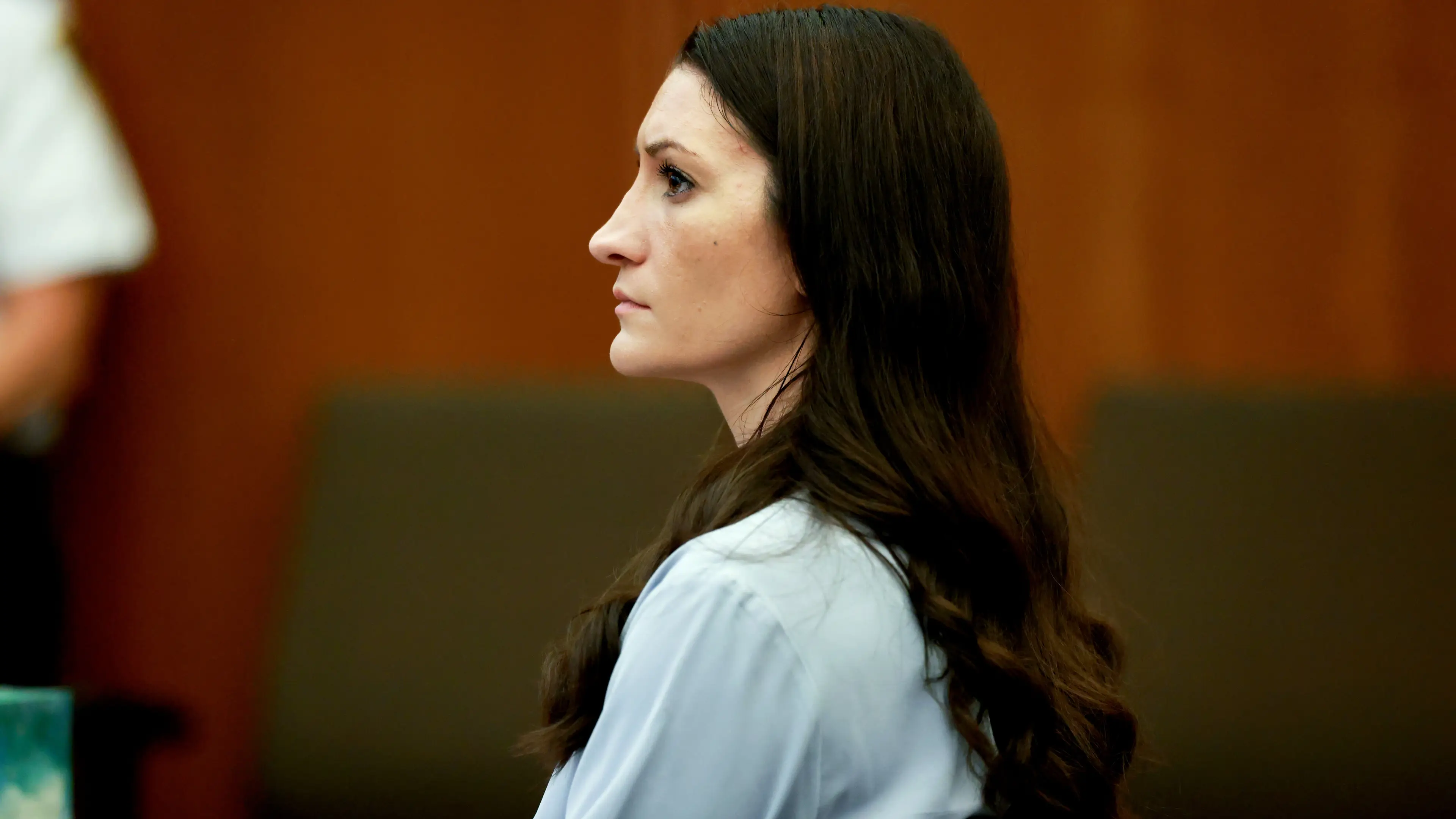
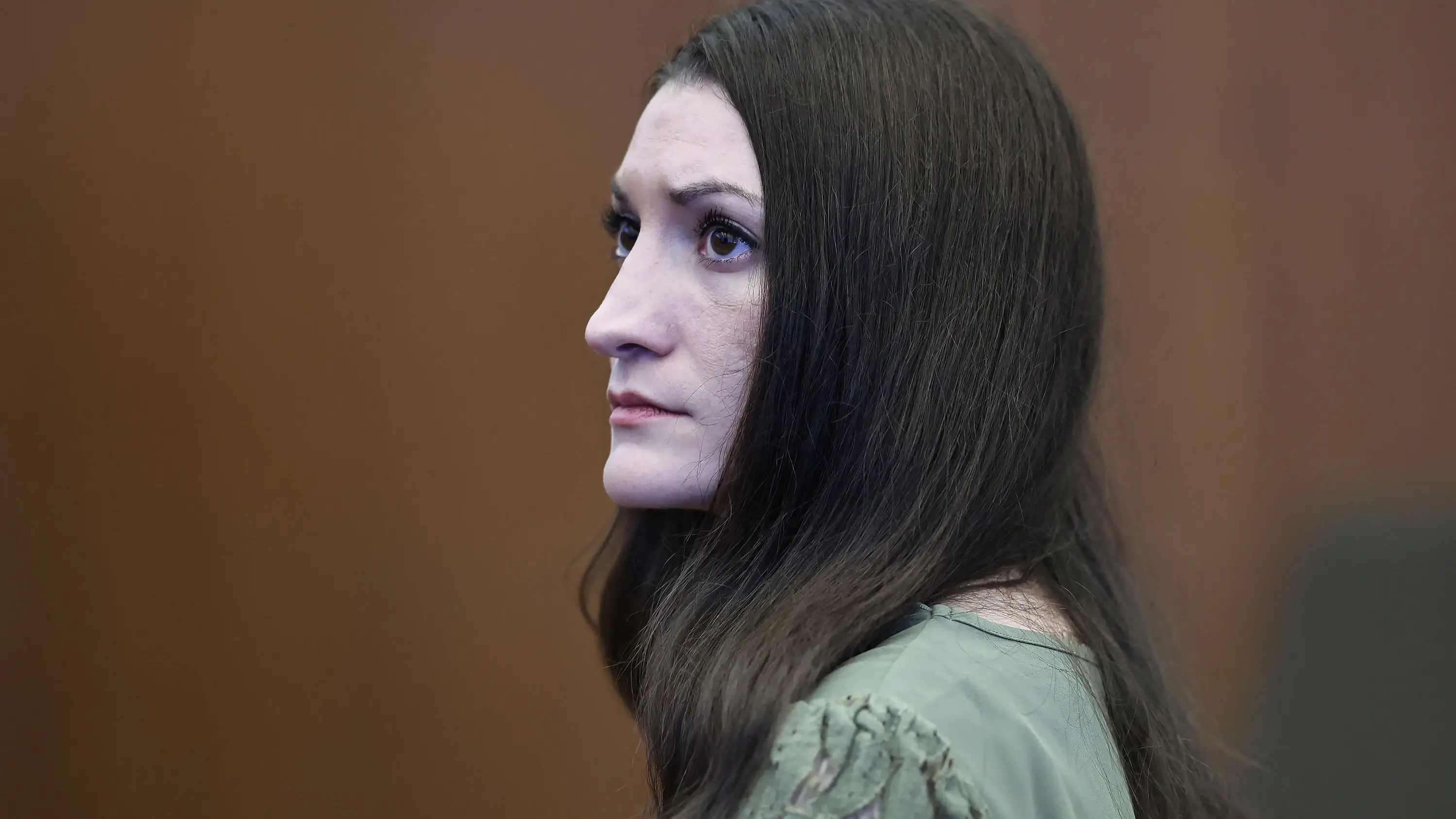
Lindsay Clancy is set to face a second trial on murder charges over the deaths ofher three children at their home in Duxbury, Massachusetts, on January 24, 2023.
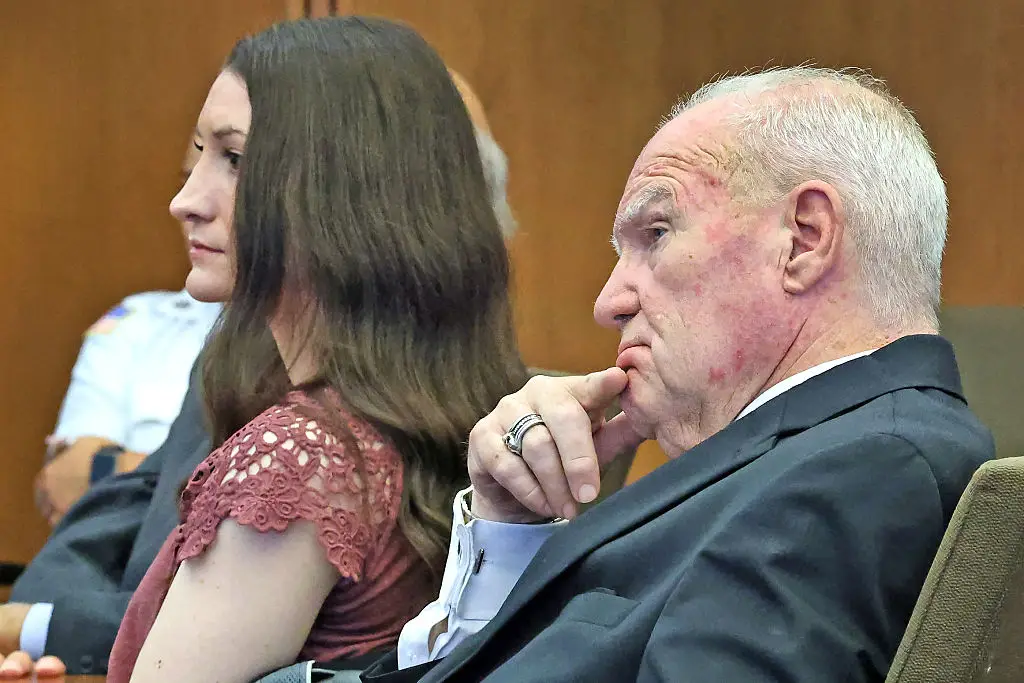
A judge has set a jury trial date of March 29th, according to CBS News Boston, after Clancy was back in court at Plymouth Superior Court on Monday morning as prosecutors addressed how they plan to proceed after her first murder trial ended in a mistrial.
Advert
The prosecution had argued for a later date in May, citing other cases on the docket, but the judge agreed with the defense that the trial should take place sooner.
Prosecutors now plan to retry Clancy on the same first-degree murder charges she faced at her first trial.
Judge William Sullivan, who is set to retire in June 2027, has made a number of rulings since the last hearing in the case on November 9th, when he denied a motion from Clancy to dismiss the murder charges.
Why was the first Lindsay Clancy trial declared a mistrial?
The first trial saw each side present a different argument about Clancy's state of mind.
Her defense attorney admitted she killed 5-year-old Cora, 3-year-old Dawson and 8-month-old Callan, but argued she was not criminally responsible because she was overmedicated and suffering from postpartum psychosis.
Prosecutors countered that Clancy knew right from wrong and had planned to strangle her children. Jurors could not agree on a verdict, and a mistrial was declared on September 4th.

What are prosecutors’ options in the Lindsay Clancy retrial?
That decision of how to proceed with the case rested with Plymouth County District Attorney Tim Cruz.
Cruz had the power to retry Clancy on first-degree murder charges, which would require another jury trial, or to pursue a lesser charge such as second-degree murder or manslaughter.
WBZ-TV legal analyst Jennifer Roman said Monday’s hearing would be a consequential day in court for both sides. She said she expected prosecutors to announce they would proceed again with three counts of first-degree murder, though they might pursue a lesser charge instead.
If Clancy were retried on lesser charges, she could choose to have either a judge or a jury decide the outcome. Roman said a reduction to second-degree murder or manslaughter would also give Clancy ‘the opportunity to plead guilty’, which would ‘avoid a trial all around’.
Clancy’s attorney, Kevin Reddington, has said in the past that he would never accept a plea deal that puts her in jail at all.
Roman said the case matters to many people, noting ‘a lot of people feel vested in this one way or another’. She added: ‘Probably a lot of disappointment in some camps, as well as perhaps relief in other camps’.
UNILAD has contacted the Plymouth County District Attorney’s Office and Clancy’s attorney for comment.
Topics: Lindsay Clancy, True crime
 Thomas Bamford