
Judge Judy weighs in on Lindsay Clancy case warning there’s a real ‘danger’ if she’s not retried

Television jurist Judge Judy Sheindlin has offered a characteristically blunt assessment of the Lindsay Clancy case, warning that failing to bring the Massachusetts mother back before a jury carries a serious societal "danger."
Clancy faces first-degree murder charges in connection with the January 2023 strangulation deaths of her three young children—Cora, 5, Dawson, 3, and seven-month-old Callan—inside the family's Duxbury home, before she attempted suicide by jumping from a second-story window.
The case sparked fierce national debate regarding criminal responsibility and postpartum mental health, with defense attorneys arguing Clancy was suffering from severe postpartum psychosis and overmedication at the time of the killings.
Weighing in on the divisive legal proceedings, Sheindlin cut straight to the core tension of the prosecution, dismissing ambiguity around the physical facts while placing the burden of moral and legal judgement squarely on the public and the court.
Advert
“There’s no question that she killed her children, the only question is—is there an excuse for it? Make up your own mind on that one,” Sheindlin said.

When pressed on the procedural future of the case by a TMZ reporter—specifically whether prosecutors should pursue a retrial or risk creating a precedent that could invite copycats—the former family court judge did not hesitate in outlining the broader legal stakes.
“I think there’s a danger in not retrying,” Sheindlin stated, emphasizing that serious allegations of violent crime require definitive adjudication rather than being quietly shelved.
Her remarks also addressed the increasingly heated political commentary surrounding the prosecution.
South Carolina Republican Representative Nancy Mace recently drew widespread criticism after publicly calling for Clancy to face public execution for the crimes.
Asked directly about Mace's inflammatory rhetoric, Sheindlin dismissed the lawmaker's remarks without hesitation.
“I think that’s ridiculous,” Sheindlin said, drawing a firm line between pursuing standard judicial accountability through a retrial and indulging in extreme political grandstanding.
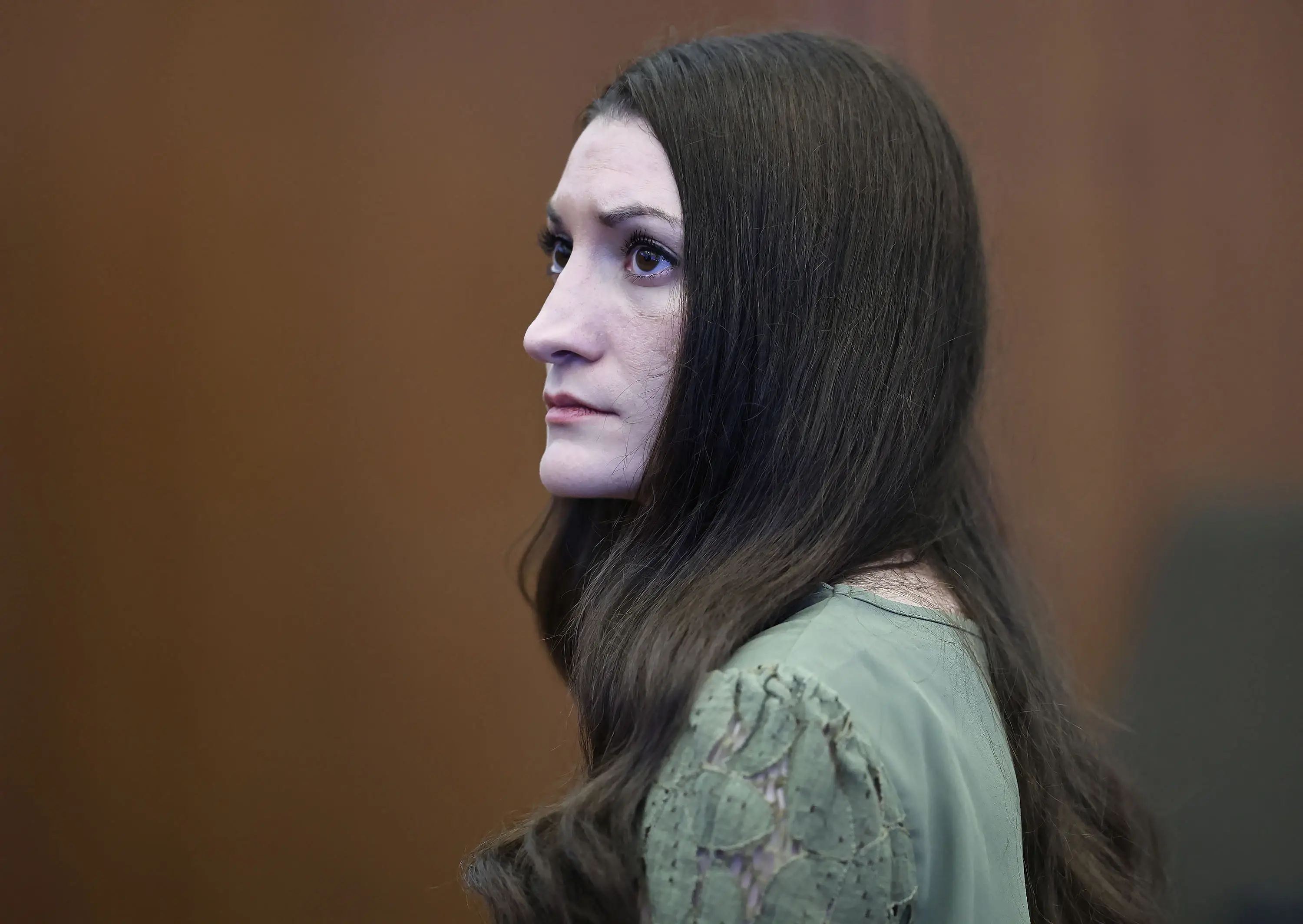
Clancy, who was left paralyzed from the waist down following her suicide attempt, has remained held without bail in medical and psychiatric facilities while pre-trial hearings and procedural motions continue to move through the Massachusetts court system.
The case continues to divide legal analysts, medical professionals, and child advocacy groups across the country, serving as an agonizing litmus test for how the American justice system balances severe maternal mental health crises against the accountability demanded for the loss of three young lives.
The most recent trial, which lasted just six weeks, ended in a mistrial after jurors failed to reach a unanimous verdict. It is currently unknown whether prosecutors intend to retry the case or offer a plea deal.
Topics: Crime, Lindsay Clancy
 Phoebe Tonks