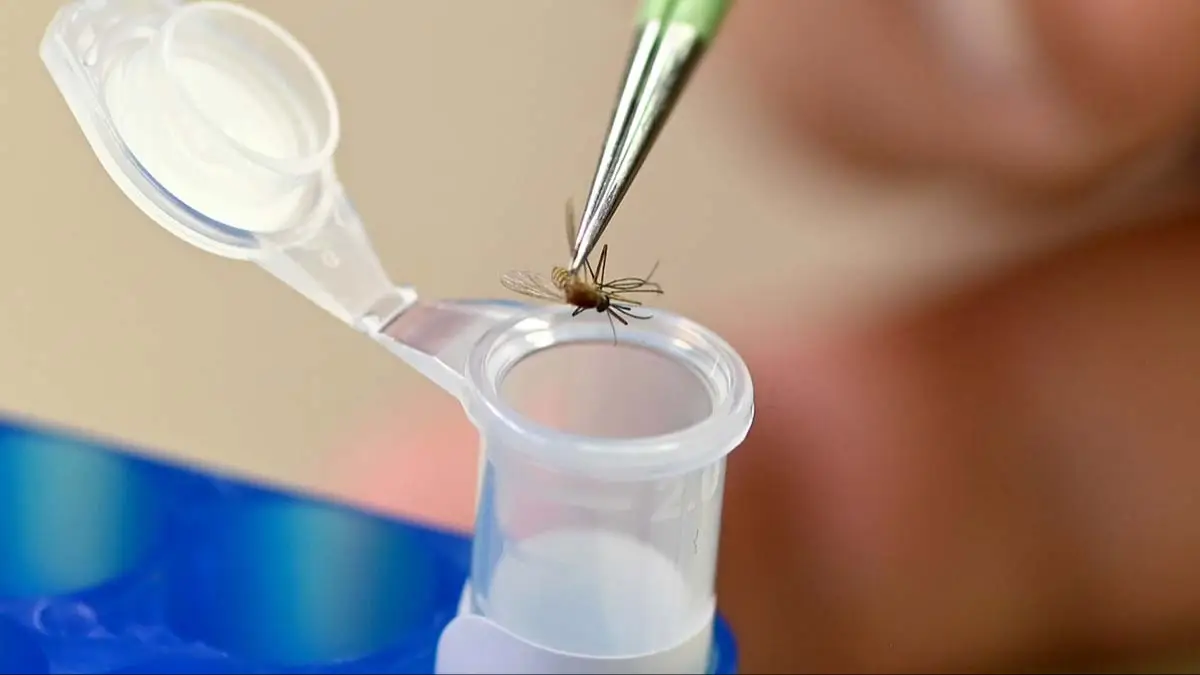
11 million Americans hit with mosquito warning after virus with subtle symptoms turns deadly

The Georgia Department of Public Health is urging the public to be vigilant after one death and eight cases of a disease with symptoms that could easily be mistaken for not being serious, was reported.
Despite the low number of infections, the DPH has also said they think it is likely to increase.
Having been found to be transmitted to humans via mosquito, 11 million Georgians have been asked to take precautions after traps tested positive in Chatham, Fulton, and DeKalb for the disease.
"Mosquito season typically lasts through October, so Georgians are urged to protect themselves from mosquito bites," said the DPH.
Advert
The condition is known as the West Nile Virus, which is a condition that the World Health Organization (WHO) says is 'is a member of the flavivirus genus and belongs to the Japanese encephalitis antigenic complex of the family Flaviviridae'.
“The Georgia Department of Public Health (DPH) has confirmed eight human cases of West Nile virus (WNV) in 2026, but that number is expected to increase. DPH has also confirmed one WNV death,” a Department of Public Health news release said. “Mosquito traps have tested positive in multiple counties, including Chatham, Fulton, and DeKalb. Mosquito season typically lasts through October, so Georgians are urged to protect themselves from mosquito bites.”
Those who are infected with WNV, can be split into two groups: those who do not develop symptoms, and those who may have mild flu-like symptoms.
Those symptoms can include things like a fever, headache, body aches, joint pain, vomiting, diarrhea, or a rash.
With an incubation period between two to six days after a bite from an infected mosquito, things can progress quickly in those who are vulnerable – such as the elderly, people with compromised immune systems, or with other underlying medical conditions.
Despite the WHO warning that the 'West Nile virus can cause a fatal neurological disease in humans,' it also states that 80 per cent of those infected are unlikely to display symptoms, making it a worrying disease to have.
Right now, the DPH recommends using EPA-registered insect repellents containing DEET (20%- 30%), IR3535, Picaridin, or Oil of Lemon Eucalyptus.
The recommendation also includes earing light-colored clothing, loose-fitted long sleeves, socks, and pants.
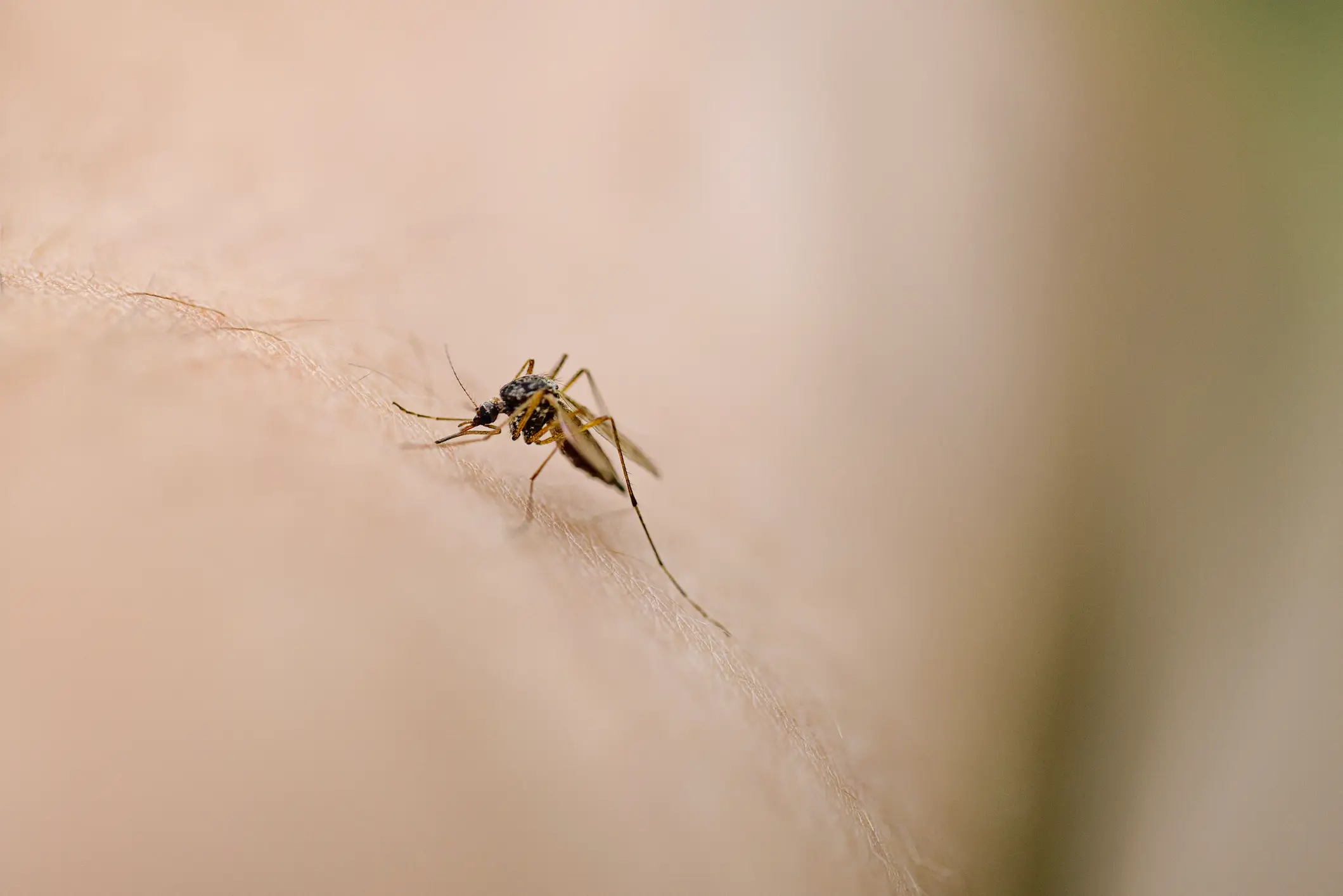
“The elderly, individuals with compromised immune systems, or those with other underlying medical conditions are at greater risk for severe complications from the disease, including infection of the central nervous system,” the release added. “DPH recommends using EPA-registered insect repellents containing DEET (20%- 30%), Picaridin, IR3535, or Oil of Lemon Eucalyptus. Wear light-colored clothing, including loose-fitting long sleeves, pants, and socks, to help protect against mosquito bites. Mosquitoes bite day and night, so no matter what time you’re outside, remember to use insect repellent to protect against mosquito bites.”
DPH went on to say that any standing water in yards needs to be disposed of, as still water is a notorious attraction for the insects.
“After every rainfall, or at least once a week, drain containers that hold water to eliminate mosquito breeding sites and prevent the spread of illness,” it said. “Tip out standing water in flowerpots, planters, children’s toys, wading pools and buckets. Make sure doors and windows fit tightly and are in good repair to keep mosquitoes out.”
 Britt Jones