Symptoms of deadly tick-borne virus that has no cure as US cases reach record high

Health authorities are on red-alert after a spike in cases of a life threatening tick-bourne virus.
The Powassan virus, which was first discovered in 1958, has reached historic highs in the US over the last few weeks.
It is named after the town it was first discovered in, Powassan, near Ontario.
The virus was first discovered after Lincoln Byers, a 4-year-old living in Canada, had a condition that medical professionals could not explain.
Advert
Cases have jumped in recent times, with 76 Americans being diagnosed with the virus in 2025. The average number of diagnoses a year up to this point had been seven per year.
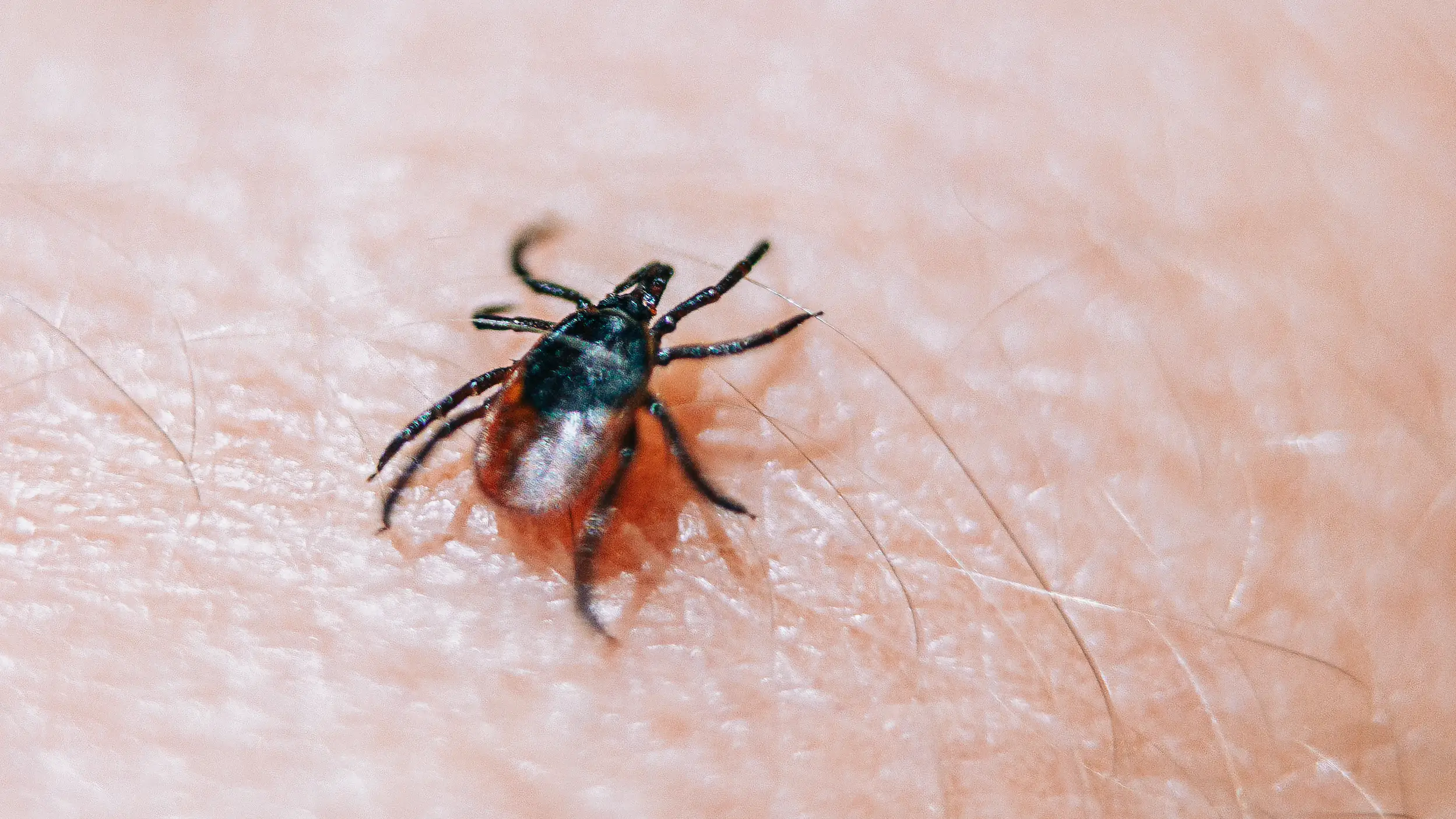
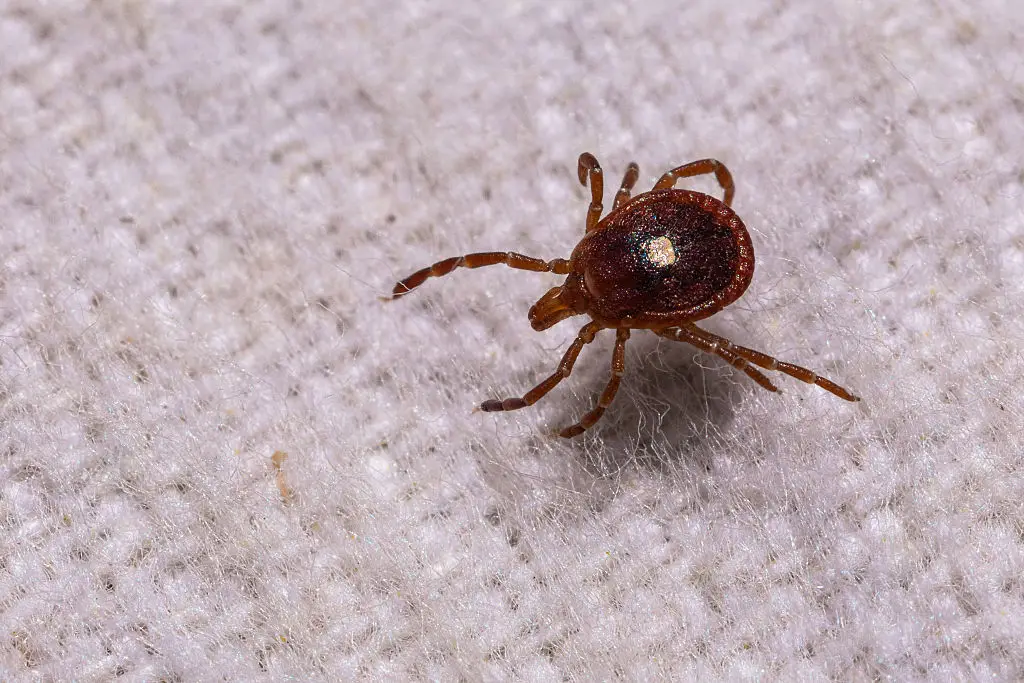
The virus is spread by bites from infected ticks. The three types of ticks known to spread the virus: groundhog tick (Ixodes cookei), squirrel tick (Ixodes marxi ), and blacklegged or deer ticks (Ixodes scapularis).
Where is the Powassan Virus spreading?
A large proportion of cases are concentrated around the Great Lakes Region, Canada and the Northeast United States.
Speaking to Fox News, Dr Jorge Parada, a medical advisor at the National Pest Management Association in Chicago, said: “Powassan can be transmitted in as little as 15 minutes after the infected tick bites, while Lyme disease usually requires a 36- to 48-hour attachment time for transmission.”
Transmission of the virus is unusually fast, but people may not even know they have been infected. Some cases report a four week lag time between exposure and the display of symptoms.

What are the Symptoms of Poswassan Virus?
According to the CDC, the initial symptoms of Poswassan Virus can be:
- Fever
- Headache
- Vomiting
- Weakness
If the virus develops further, the symptoms of the virus can develop into something much more serious, including signs of:
- Confusion
- Loss of coordination
- Difficulty speaking
- Seizures
If left untreated, these issues can develop into much more harmful and potentially life threatening issues like encephalitis and meningitis. Approximately 10% of Powassan cases involving severe neurological disease are fatal, and many survivors experience long-term neurological issues.
Is there a cure for Powassan virus?
There is currently no cure for Powassan Virus.
The CDC have suggested that the best way to recover is to drink plenty of fluids, rest, take over-the-counter pain medication to help alleviate the symptoms.
People with severe cases of the disease may need to be taken to hospital for support for breathing, staying hydrated, or reducing swelling in the brain.
 Thomas Bamford