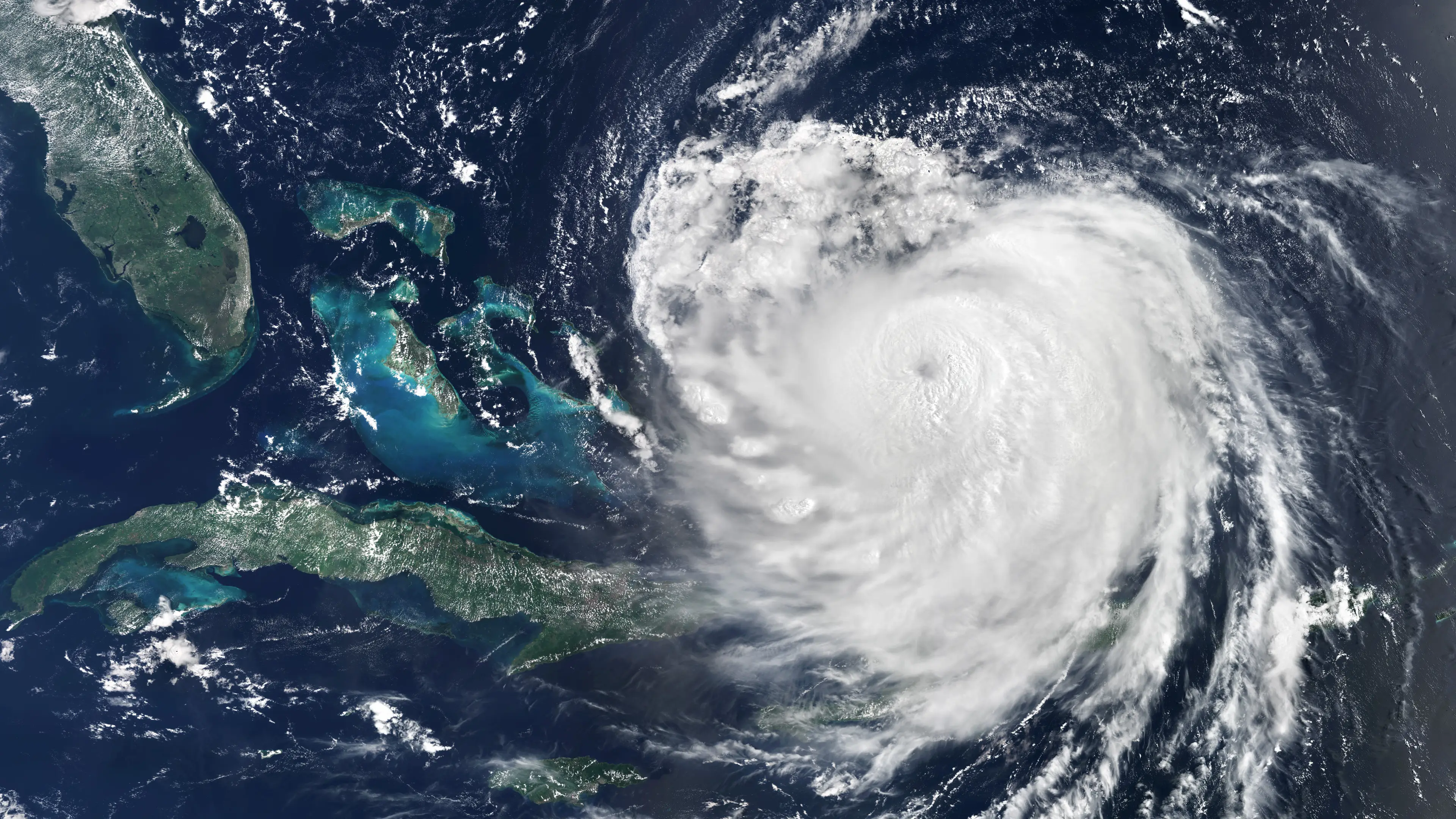
Atlantic hurricane season nears historic first not seen in 175 years

While many parts of the world are dealing with the consequences of what is expected to be the strongest El Niño on record, another bizarre weather trend is taking shape.
Atlantic hurricane season runs from the start of June through to the end of November, but experts say it will typically peak around September 10.
And yet, last week that date came and went without a single hurricane. Not even a storm or a tropical wave.
This is incredibly unusual to say the least, as this is usually when sea surfaces reach their warmest in the tropics, making it one of the busiest periods for hurricanes.
Advert
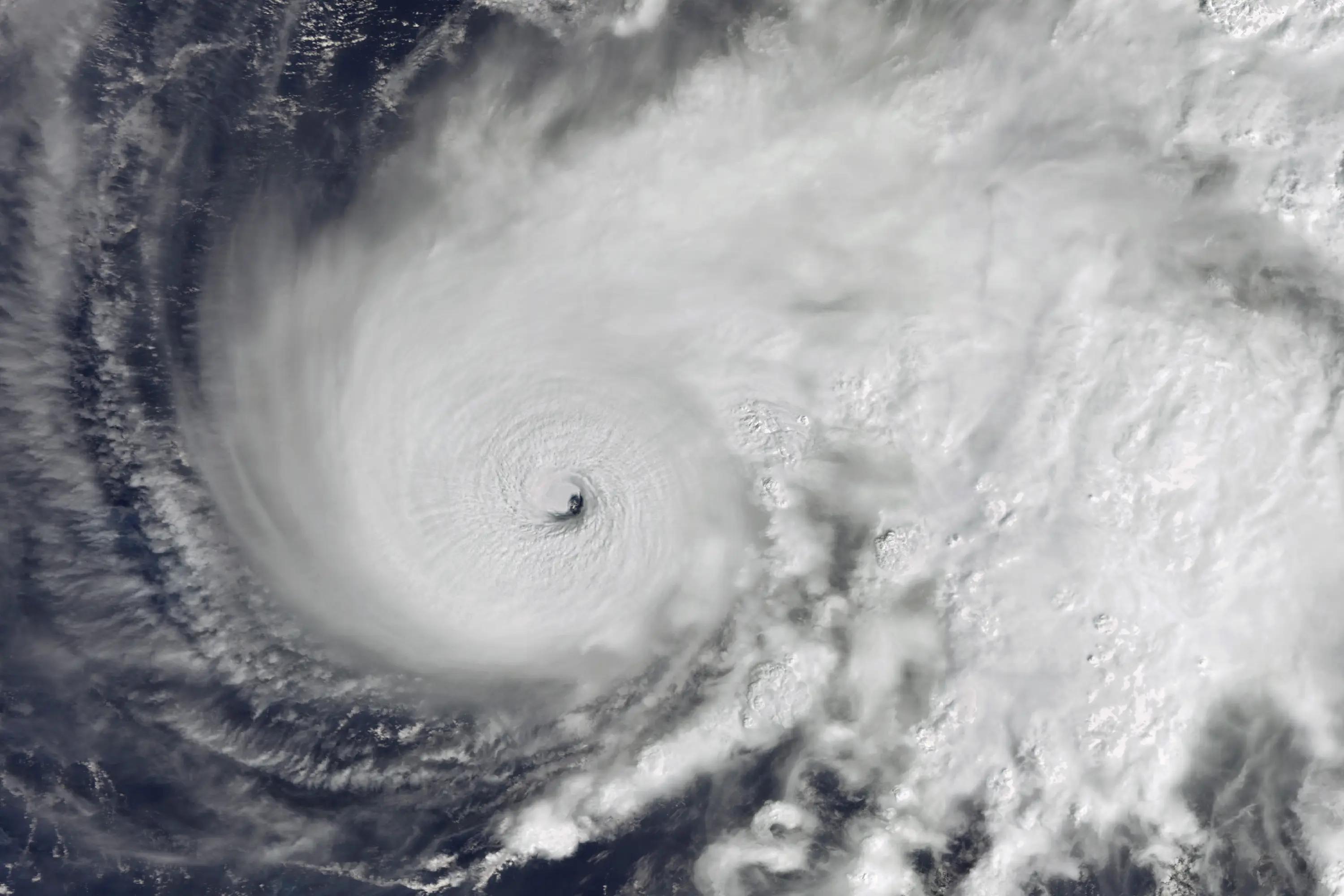
Breaking a 175-year record of hurricanes
Since reliable aircraft monitoring first began back in 1944, there has been a hurricane on record before September 11 every single year, breaking a 175-year record.
Prior to that, the latest hurricane on record was September 17, 1941, and unless something stirs up soon, 2026 could be on track to beat that too.
It's not just hurricanes that have been particularly quiet this year. Overall tropical storm activity has been exceptionally weak, with just five relatively weak tropical storms forming.
Meanwhile, this season's 'accumulated cyclone energy' was at just seven perfect of the normal level, Ars Technica reports.
Powerful El Niño has huge impact
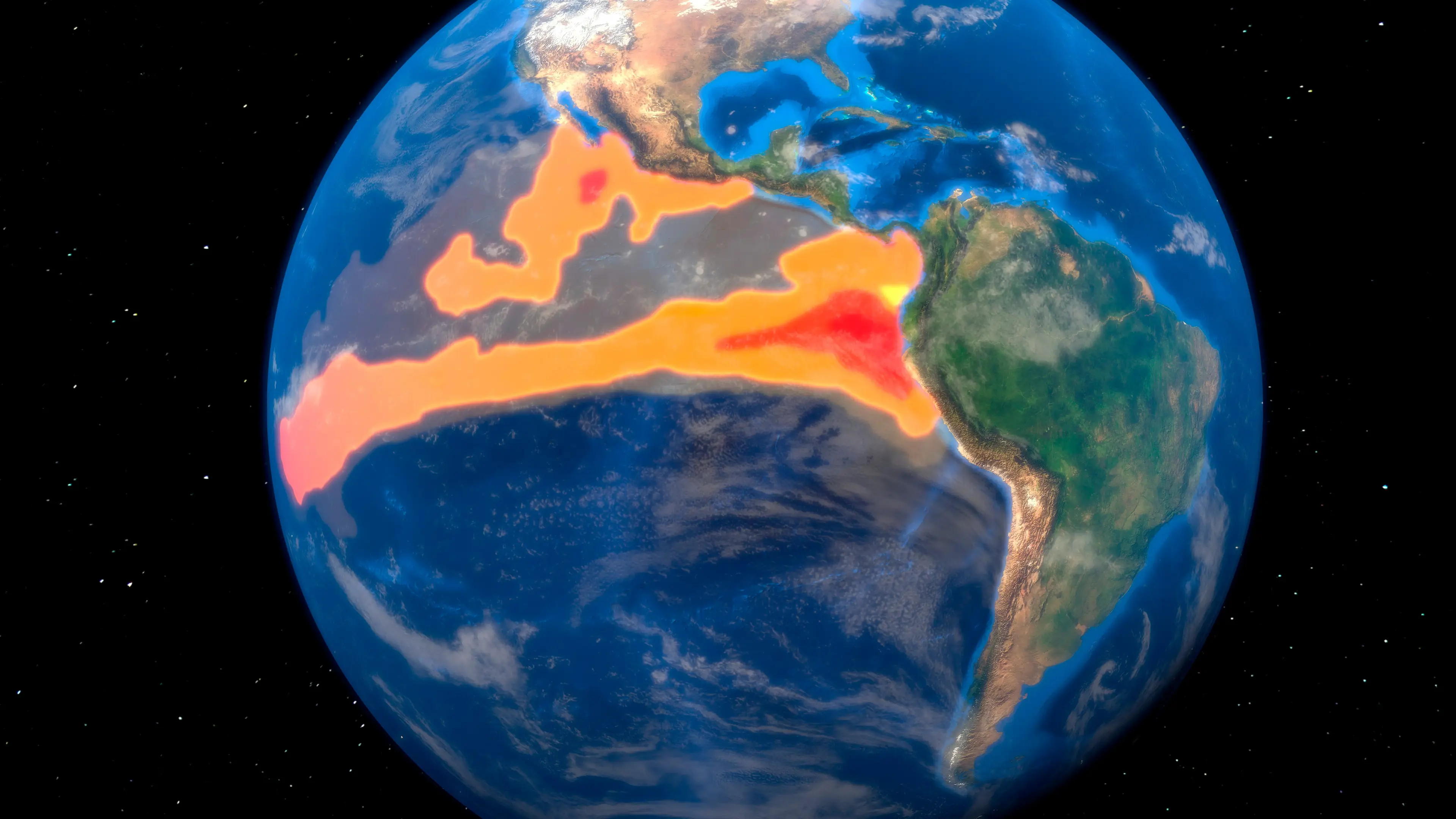
One major reason for the unusually quiet hurricane season appears to be the powerful El Niño developing in the Pacific. Sea temperatures linked to the weather pattern have climbed to almost 3C above average, making it particularly intense for this time of year.
El Niño can make conditions in the Atlantic much less welcoming for hurricanes by increasing wind shear, changes in wind speed and direction higher up in the atmosphere. This can disrupt storms before they have a chance to develop.
Saharan dust also to blame
Meanwhile, Saharan dust has also played a big role, with huge plumes of dust regularly being swept from the Sahara Desert and carried thousands of miles across the Atlantic by winds.
The dusty air is extremely dry, and when it mixes with the warm, humid air that tropical storms need to develop, it can make it harder for thunderstorms to form and grow.
These dust clouds can also contribute to a more stable atmosphere and reduce the amount of sunlight reaching the ocean surface, potentially limiting some of the heat available to developing storms.
While the change is slightly unnerving, there is certainly no one complaining about the lack of hurricanes, given the devastation they can cause. However, it has once again highlighted another impact of the powerful El Niño.
Topics: World News, US News, Weather
 Emma Rosemurgey