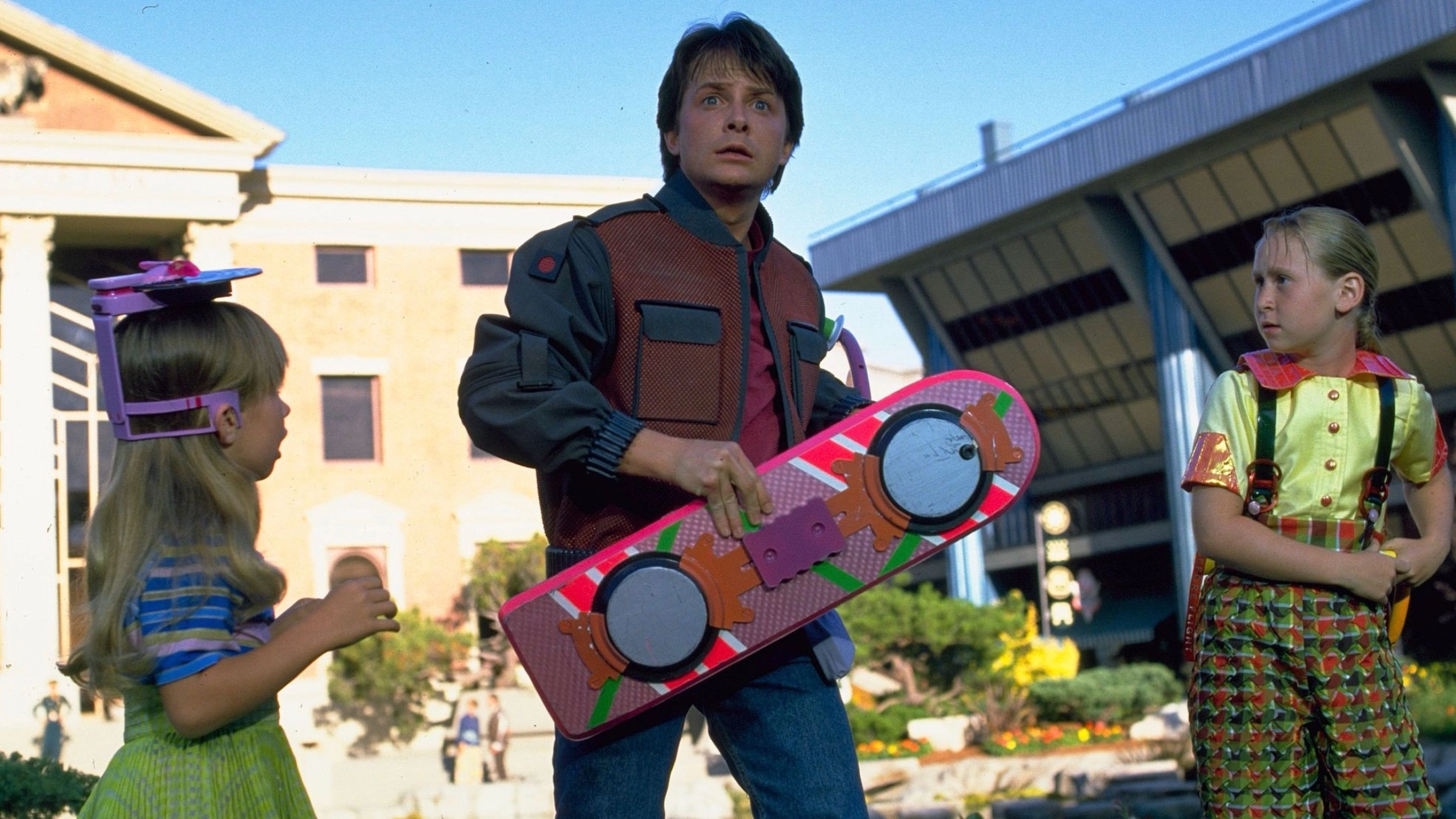
Back to the Future Part II imagined the future in 1989 and some of its predictions came true

While many of Back to the Future Part II’s wild predictions remain a fantasy, the film deserves credit for getting more right than wrong.
When Back to the Future Part II hit cinemas in 1989, it offered a glimpse into what life might look like in 2015, complete with flying cars, hoverboards and futuristic gadgets.
And while some of the film's more outlandish predictions remain firmly in the realm of science fiction, others proved surprisingly accurate.
From video calls and wearable technology to smart home devices, the beloved movie got more right than you might expect.
Advert
And while we're still waiting for a few of its most ambitious inventions to become reality, it's worth revisiting just how much the film managed to get right.
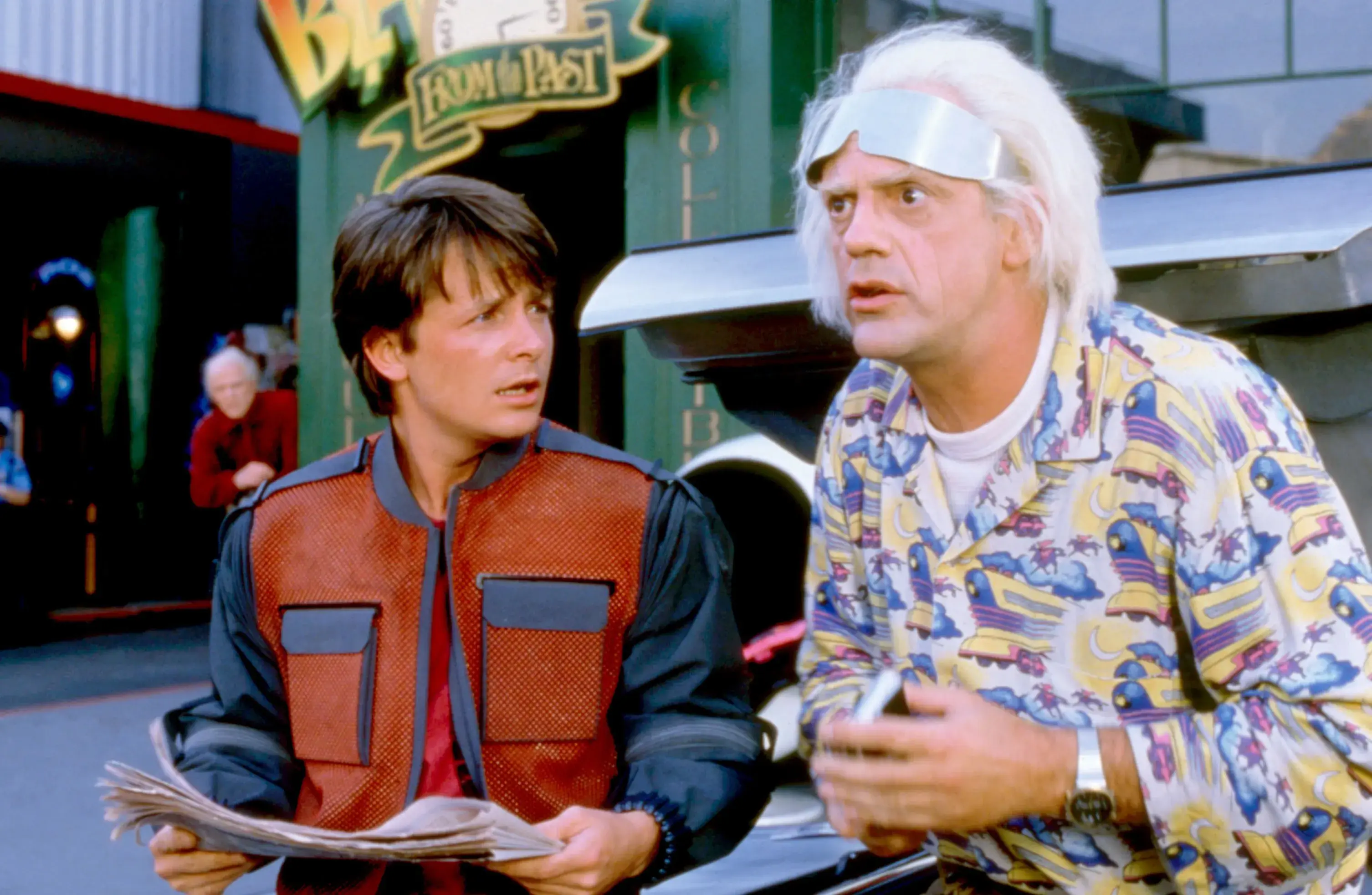
The film's synopsis reads: "Marty McFly, who has just returned to the year 1985 from the year 2015 after time travelling, must travel back to the year 1955 after Biff uses a sports almanac to change various events in 1985."
Voice-Activated Technology
Once a futuristic idea depicted in the film, voice-activation is now a standard part of everyday life thanks to assistants such as Siri and Alexa.
The McFly family home featured appliances and household systems that respond to spoken commands, including lights that switch on when Jennifer accidentally activates them by speaking.
Video calls
Video calls were one of the film’s most memorable futuristic predictions, but 35 years later, they’ve become an everyday part of modern life.
Between FaceTime, Zoom, and Teams, there's endless ways to communicate with someone as if they're really in the room.
Smart Glasses
Perhaps the most recent prediction of all came with Marty McFly’s now-iconic smart glasses.
Thanks to devices like Apple's Vision Pro and Meta's smart glasses, the idea of wearing technology on your face is no longer a futuristic fantasy, with users now able to access digital content, capture footage and interact with virtual displays without relying solely on traditional screens.
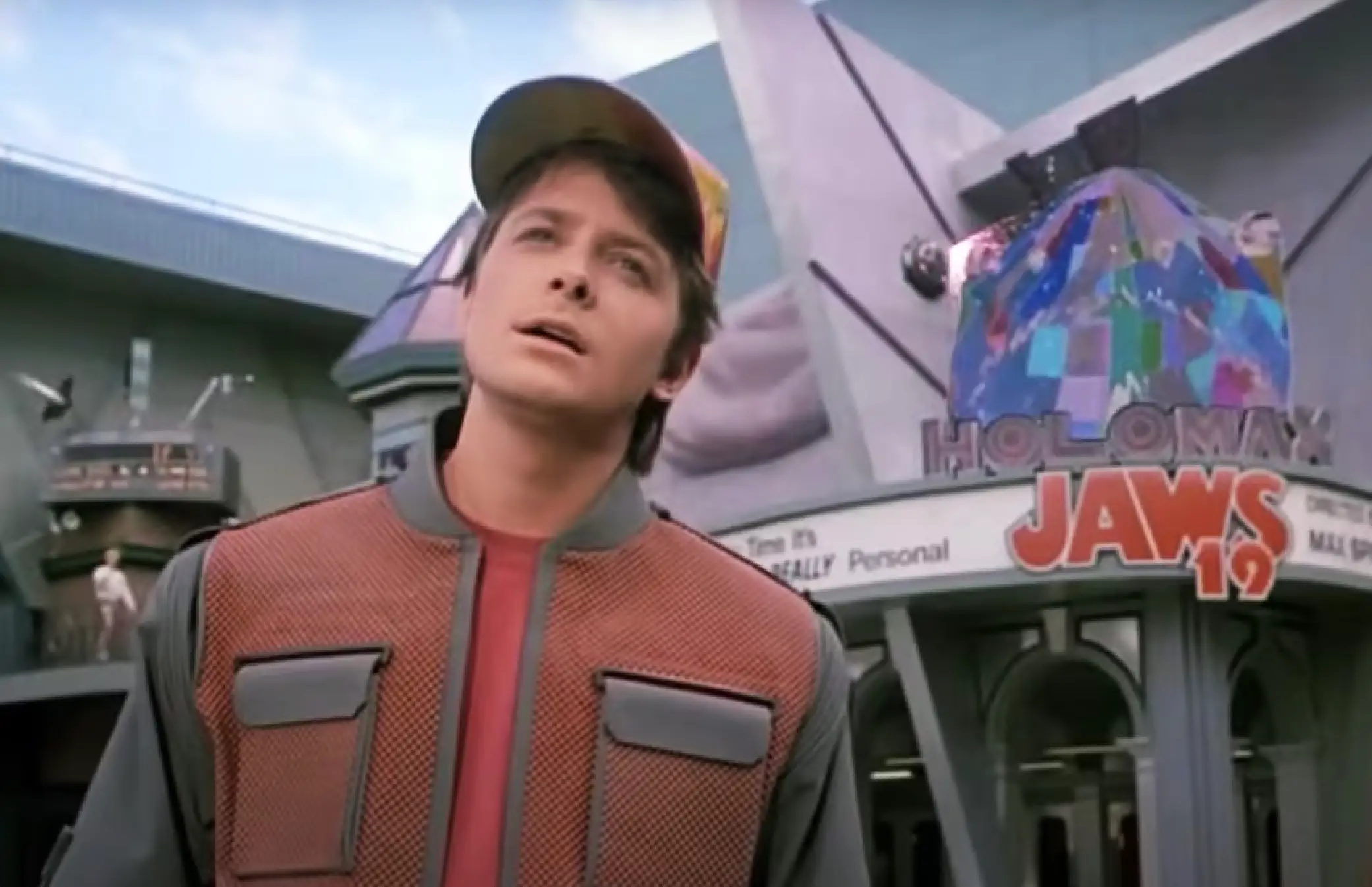
Holograms
In one memorable scene, Marty is left terrified when a giant holographic shark appears to lunge towards him from a cinema sign.
But holograms have since become increasingly common, with applications spanning entertainment, advertising and live performances, where digital projections can create the illusion of lifelike figures appearing in the real world.
Ultimately, while some of Back to the Future Part II’s predictions remain firmly science fiction, others have become everyday realities, proving the future wasn't quite as far-fetched as it seemed.
Topics: Film and TV, Technology
 Mia Williams