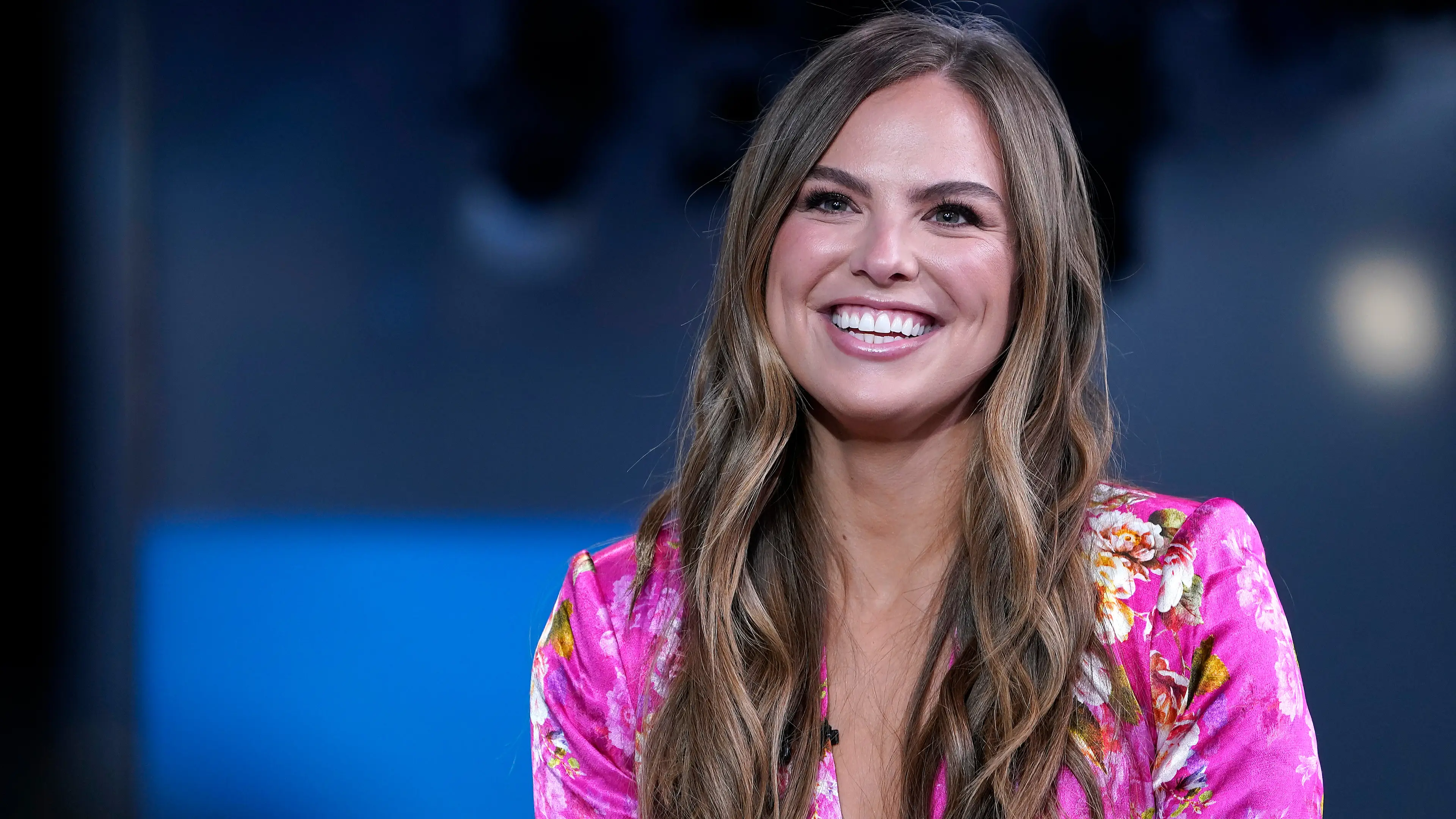
Reality star Hannah Brown explains how GLP-1 medication helped her to tackle life with PCOS

The Bachelorette star Hannah Brown has opened up about her long, complex battle with chronic illness, revealing she was prescribed a GLP-1 medication to treat severe Polycystic Ovary Syndrome (PCOS).
The 31-year-old reality television star and author is widely recognized for her high-profile appearances on The Bachelorette, Dancing with the Stars, and her victorious run on Fox's grueling reality competition Special Forces: World's Toughest Test.
But during a raw, deeply personal appearance on the SHE MD podcast with hosts Mary Alice Haney and world-renowned OBGYN Dr. Thais Aliabadi, Brown peeled back the curtain on the silent health battles she was fighting while in the public eye.
Brown revealed that for over a decade, she struggled with severe, life-disrupting symptoms that left her feeling deeply confused, physically exhausted, and continuously dismissed by medical professionals.
Advert
"Years of irregular periods, cystic acne, weight fluctuations, and anxiety were repeatedly overlooked before I finally received a clear diagnosis," Brown shared, echoing the frustrating reality of millions of women worldwide who navigate the complex endocrine disorder.

How did a GLP-1 drug actually help?
While GLP-1 receptor agonists—the class of medications that includes popular brands like Ozempic, Wegovy, and Mounjaro—have dominated global headlines primarily as a cosmetic weight-loss trend, Dr. Aliabadi broke down the critical metabolic science behind why the drug was introduced into Brown's treatment plan.
PCOS is fundamentally rooted in severe insulin resistance, a metabolic loop where high levels of insulin disrupt hormone production, preventing regular ovulation, spiking inflammation, and triggering rapid weight fluctuations.
By utilizing a GLP-1 medication alongside metformin to tackle the root metabolic dysfunction rather than just managing surface symptoms, Brown experienced a massive breakthrough.
"It actually fixed the root cause," Brown explained, noting the profound physical relief the medication brought to her reproductive cycle. "It gave me my period back every 30 days."
The reality star admitted that she felt an immense amount of pressure and stress during her meteoric rise to fame, which only served to worsen her physical health.
She noted that living in a constant state of high anxiety and survival mode during her time filming The Bachelorette and Dancing with the Stars acted as a "silent saboteur," spiking bodily inflammation and compounding her hormonal imbalances.

Overcoming a 'Double Uterus' Diagnosis
The PCOS diagnosis was not the only hurdle Brown had to face. During her extensive diagnostic journey, a 3D ultrasound revealed a completely unexpected structural anomaly: she has a septate uterus, commonly referred to as a "double uterus" or a uterine septum.
The condition, which divides the uterine cavity with a band of tissue, can significantly elevate fertility challenges and increase the risks of miscarriage if left untreated. Brown revealed she is actively undergoing a comprehensive, specialized treatment plan—including surgical correction options—to fully prepare her body before she and her partner begin trying to conceive in the future.
By opening up so transparently about her health journey, Brown hopes to dismantle the stigma surrounding reproductive conditions and inspire other women to fiercely advocate for their own medical care.
"This is a reminder that your symptoms are real," Brown emphasized, urging women not to ignore persistent signs of hormonal distress. "You deserve to be heard. You deserve to heal."
 Phoebe Tonks