Scientists discover 'mysterious' ten-sided structure in Saturn's atmosphere unlike anything seen before

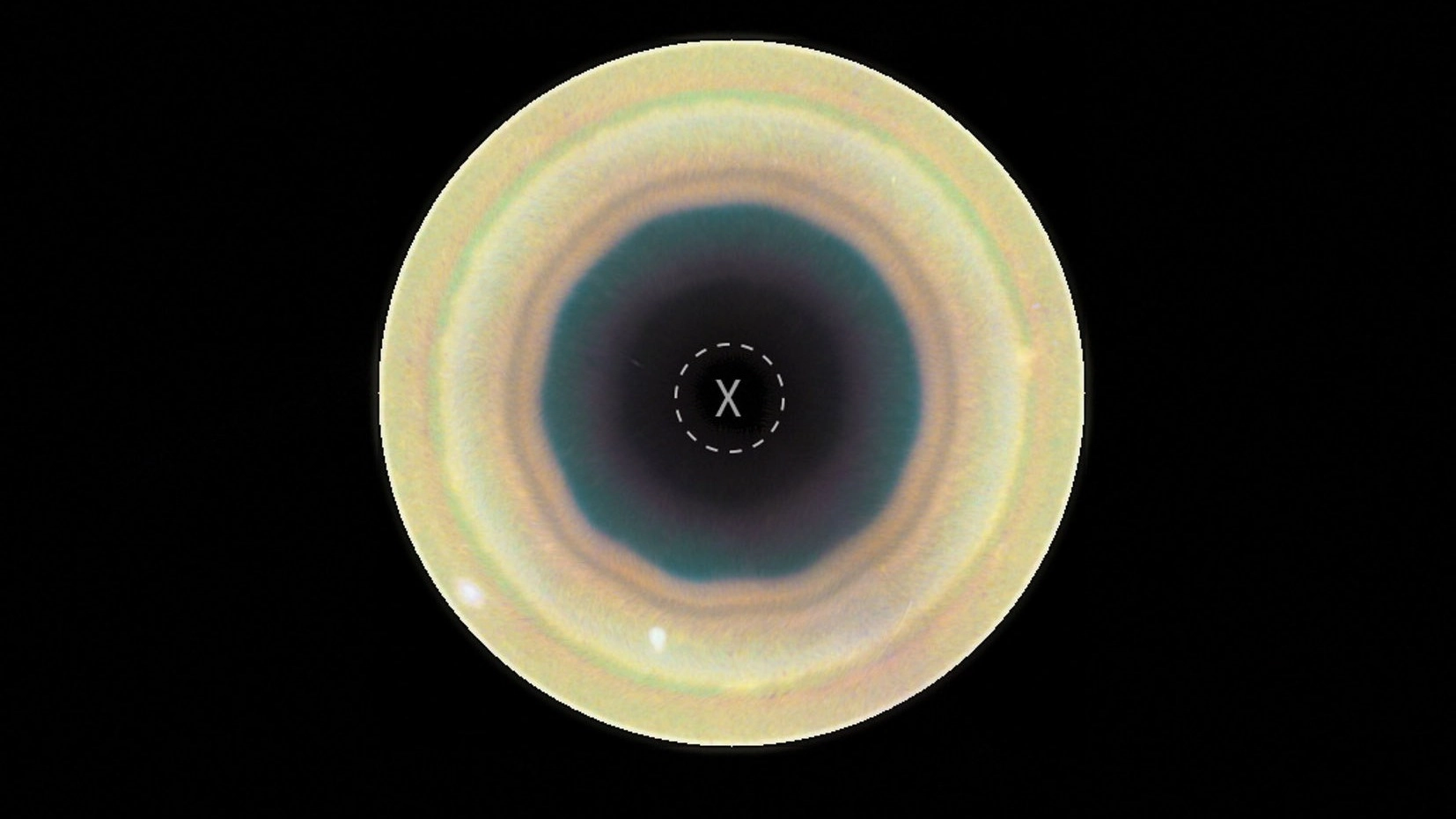
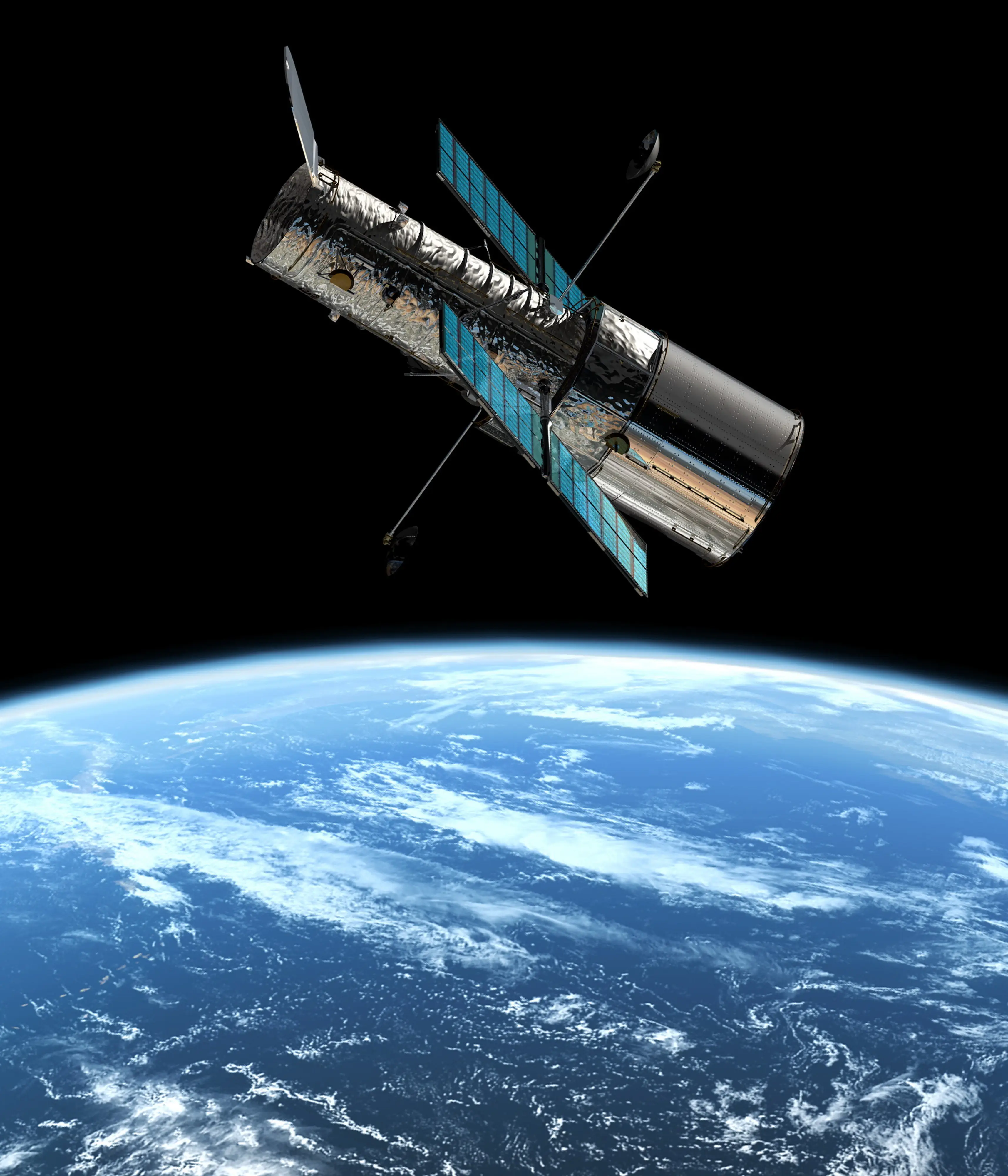
Scientists have uncovered a 'mysterious' ten-sided structure in Saturn's atmosphere thanks to the power of the Hubble Space Telescope.
Known as a decagon, experts at the University of Leicester in the UK discovered a wave around Saturn's South Pole, which sits alongside a hexagonal structure at its North Pole.
Voyager 1 and Voyager 2 spacecraft flew past Saturn in 1980 and 1981, immediately uncovering a hexagonal wave encircling its north pole.
While that remains in place to this day, no similar structure had been observed in the southern hemisphere since until recently...
Advert
As Saturn's became visible from Earth in recent years, scientists have been able to inspect the planet closer and discovered a decagonal structure around the south polar structure.
Images captured in both 2024 and 2025 have confirmed its existence.
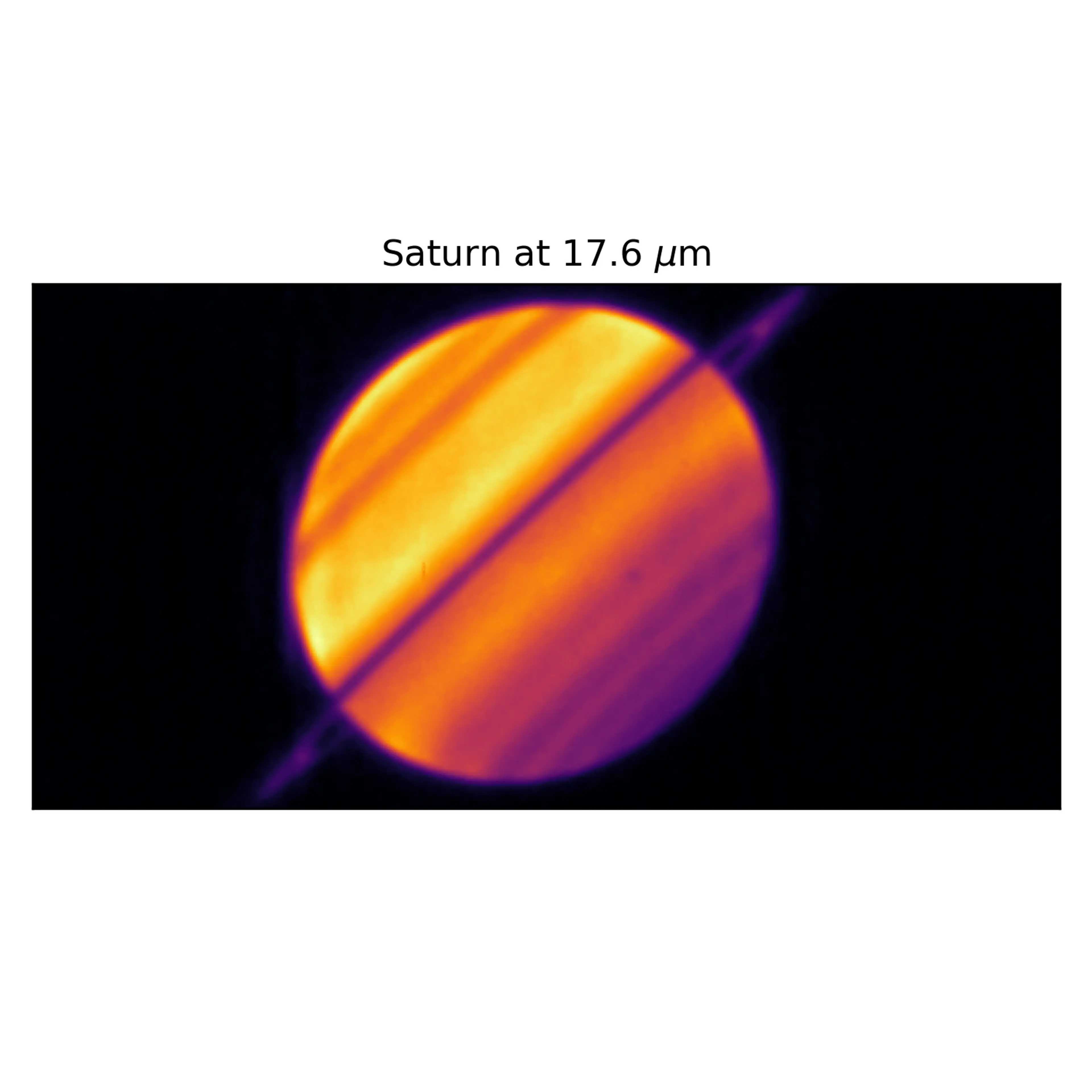
The results were published by experts at the University of Leicester in the journal Science Advances on Wednesday (September 2).
Co-author on the study, Professor Leigh Fletcher from the School of Physics and Astronomy at the University of Leicester, said: “Saturn still has the ability to surprise us – given the season, Saturn’s southern hemisphere is emerging from more than a decade in winter darkness. Something has clearly changed during that long winter when we weren’t looking, presenting us with this stunning new feature around the South Pole.
"What’s really exciting about this work is the involvement of amateur observers with their backyard telescopes, sharing their images online, and searching Saturn’s clouds for new discoveries. It was their data that first hinted something exciting was going on.
“The hexagon itself is now hidden from view, as the North Pole disappears into autumn and winter. Who knows whether that will still be there next time we can look? And how long this new decagon will hang around for?”
Meanwhile, Agustín Sánchez-Lavega of Universidad del País Vasco EHU and lead author on the study suggested the findings have provided more questions than answers.
He said: "This research raises many fundamental questions about atmospheric phenomena on gas giants. Why is Saturn the only planet to form this type of polygonal waves? Is the phenomenon in any way related to the 5- and 8-sided polygonal arrangement of the cyclones surrounding Jupiter’s poles?
"Further observations over the coming years, as visibility of the planet’s southern hemisphere gradually improves, will help to characterise it and develop advanced models that will enable us to solve this intriguing atmospheric mystery.”
 Callum Jones