Scientists discover 'impossible' atmosphere on ancient planet where a year only lasts 10 hours

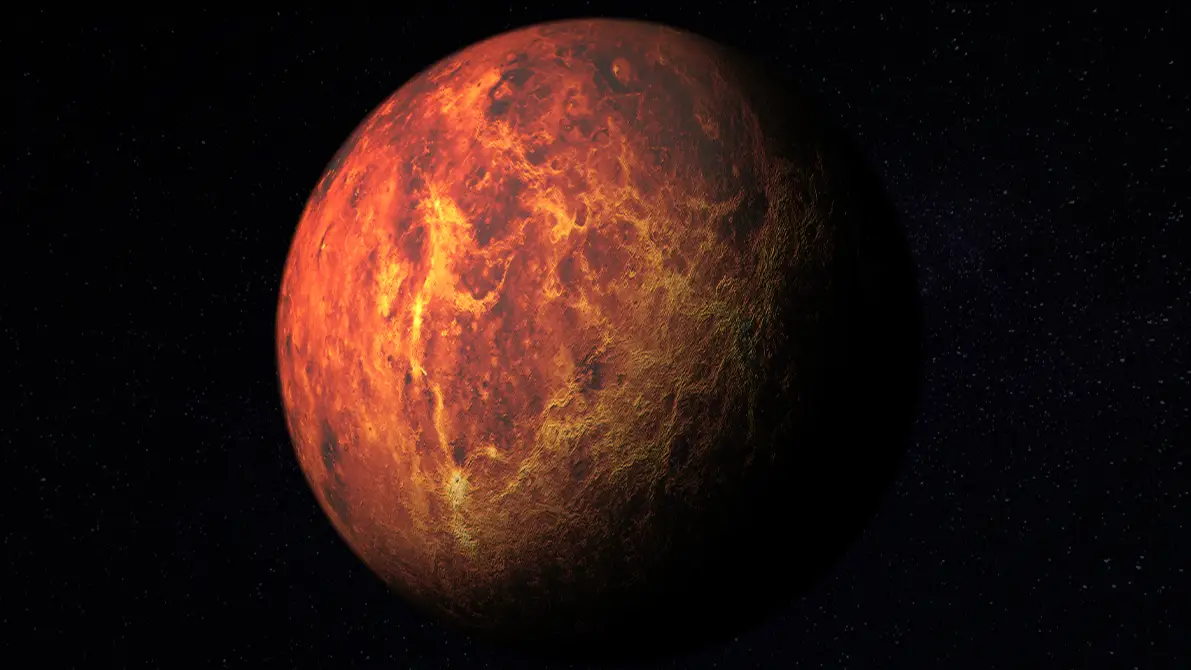
A team of astronomers have revealed their findings of a planet outside of our Solar System that has an atmosphere – when scientists previously thought that shouldn’t be possible.
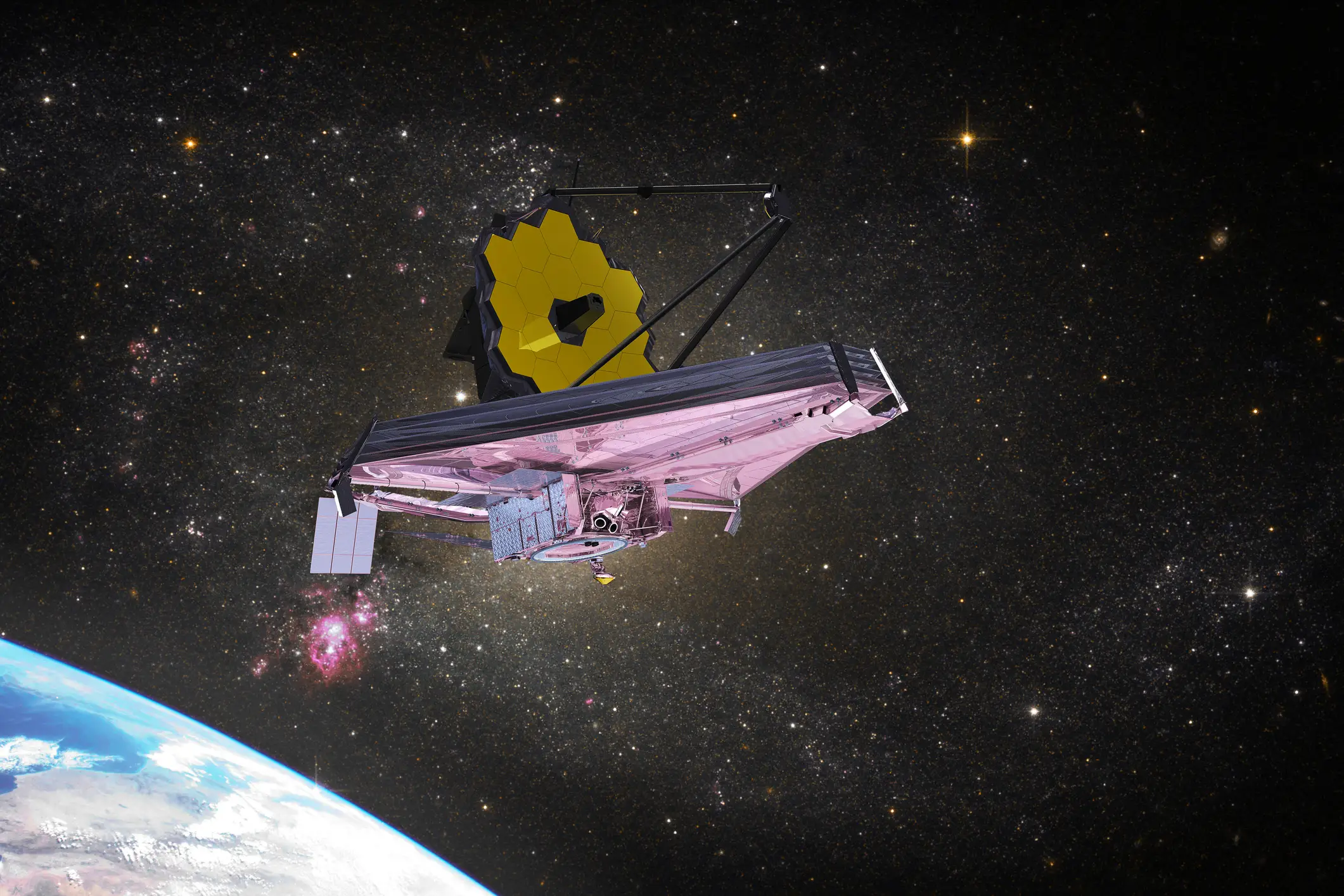
Carnegie scientists used NASA's James Webb Space Telescope and published their findings in The Astrophysical Journal Letters.
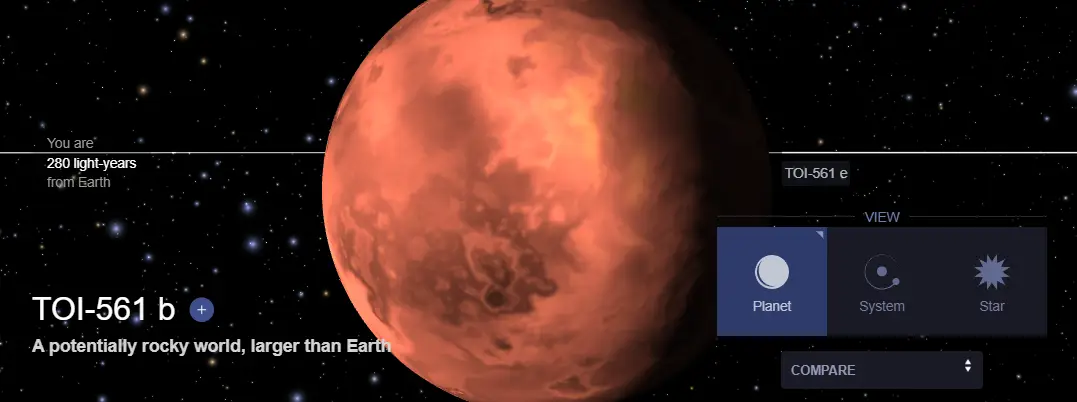
The rocky planet, dubbed TOI-561 b, only has one similarity to Earth now that it too has an atmosphere, but it’s twice as dense, putting it slightly smaller than the Sun.
It’s also molten hot, and orbits incredibly close to its star.
Advert
But it’s this orbit that puts it into a different class than our own.
When it comes to Earth, our orbit takes around 365 days, which is what we mark as a single year.
However, this planet orbits within only 10.56 hours – making it over 30 times faster than our planet.
Previously, the volatile planet was believed to be too hot to hold onto a gas atmosphere in space, but according to the scientists, this atmosphere appears to be a heat distribution system, making the planet far cooler than once thought.
"Based on what we know about other systems, astronomers would have predicted that a planet like this is too small and hot to retain its own atmosphere for long after formation," said Carnegie Science Postdoctoral Fellow Nicole Wallack, the study’s second author. "But our observations suggest it is surrounded by a relatively thick blanket of gas, upending conventional wisdom about ultra-short-period planets."
While this puzzled scientists at first, they soon found out that it’s not what they first thought, as it could be made out of lighter material than Earth.
"It's not what we call a super-puff - or 'cotton candy' planet - but it is less dense than you would expect if it had an Earth-like composition," said Carnegie Science astronomer Johanna Teske, the lead author of the study.
The scientist added that the planet ‘orbits a very old - twice as old as the Sun - iron-poor star’ in the Milky Way’s thick disk region, meaning that the planet very well could have formed in a ‘very different chemical environment from the planets in our own Solar System.’
After using the telescope’s Near-Infrared Spectrograph (NIRSpec) to measure the temperature of the side of the planet that faces constant daylight, due it to being on the side of the star at all times, the researchers found that it measured nearly 2,000 degrees Fahrenheit less than expected.
They thought it would be 4,900 degrees Fahrenheit, but tracked 3,200 degrees Fahrenheit, suggesting its heat was being redistributed across the planet.
Teske went on to call the findings ‘really exciting’ in terms of opening up the path to answer their list of questions.
Topics: NASA, Science, Space, Technology
 Britt Jones