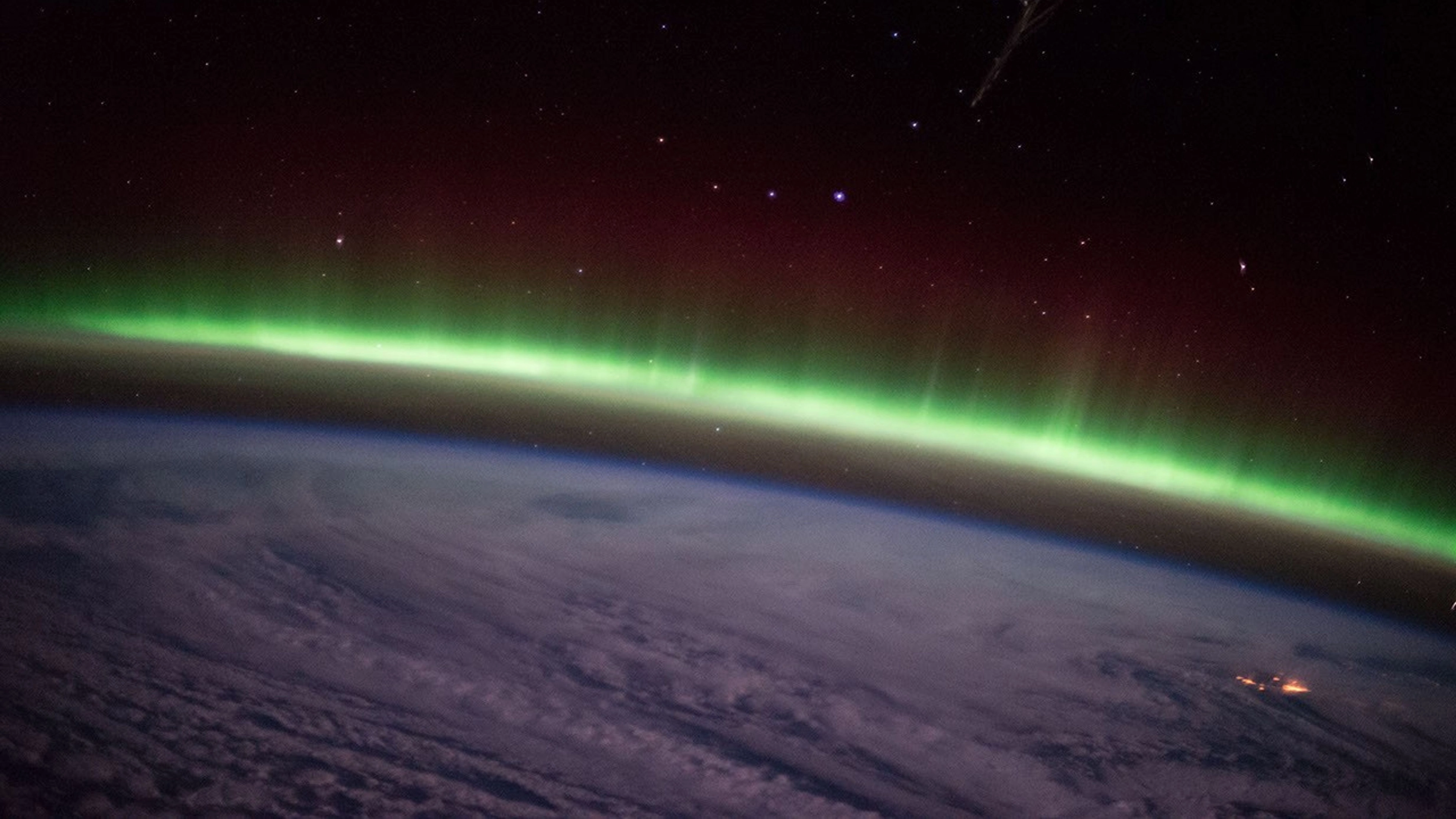
Earth's 'space battery' that stops the Sun from destroying the planet as we know it

NASA scientists believe they’ve identified a kind of 'space battery' inside Earth’s magnetic shield, the same system that protects our planet from the Sun’s charged particles.
Unusual space news has dominated the headlines recently, from a NASA space probe due to fall from the sky, to an update on 'city-killer' asteroid YR4 and let's not forget interstellar space comet 3I/ATLAS.
So you might well have missed another breakthrough much closer to home.
It was revealed in January that scientists studying data from NASA missions may have solved a long-standing mystery about what powers a specific type of aurora known as auroral arcs.
Advert
These are the thin, shimmering green ribbons that stretch across polar skies.
You might have been lucky enough to have spotted them during geomagnetic storms.
Earth’s invisible shield
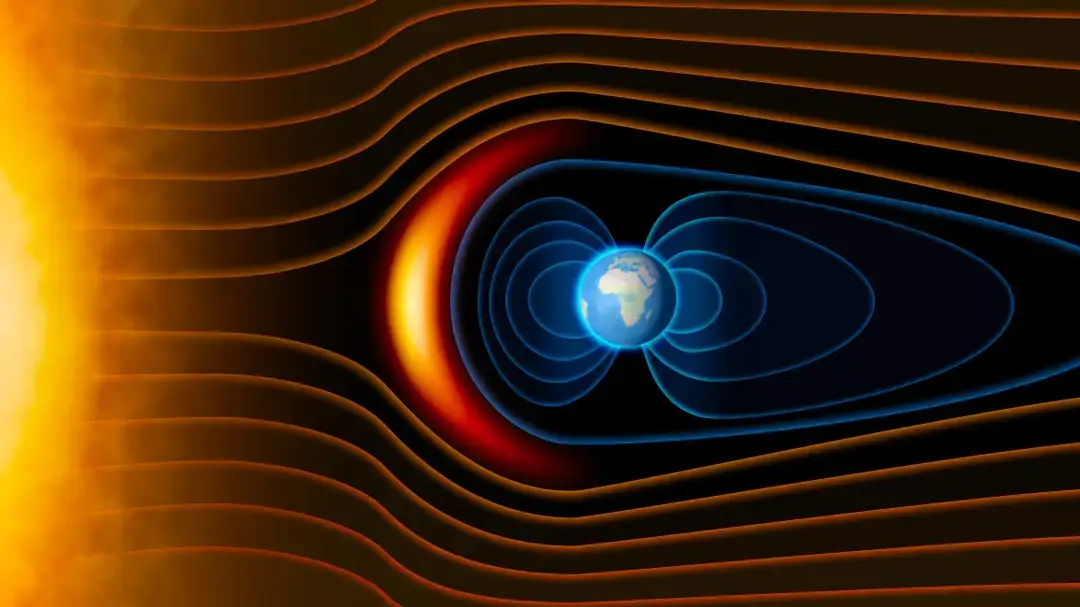
Earth is surrounded by a vast magnetic bubble called the magnetosphere, generated deep inside the planet by the motion of molten iron in its outer core, as NASA itself explains.
This process, known as the geodynamo, creates the global magnetic field that shields us from the solar wind, a constant stream of charged particles flowing from the Sun.
When solar material slams into this magnetic shield, most of it is deflected.
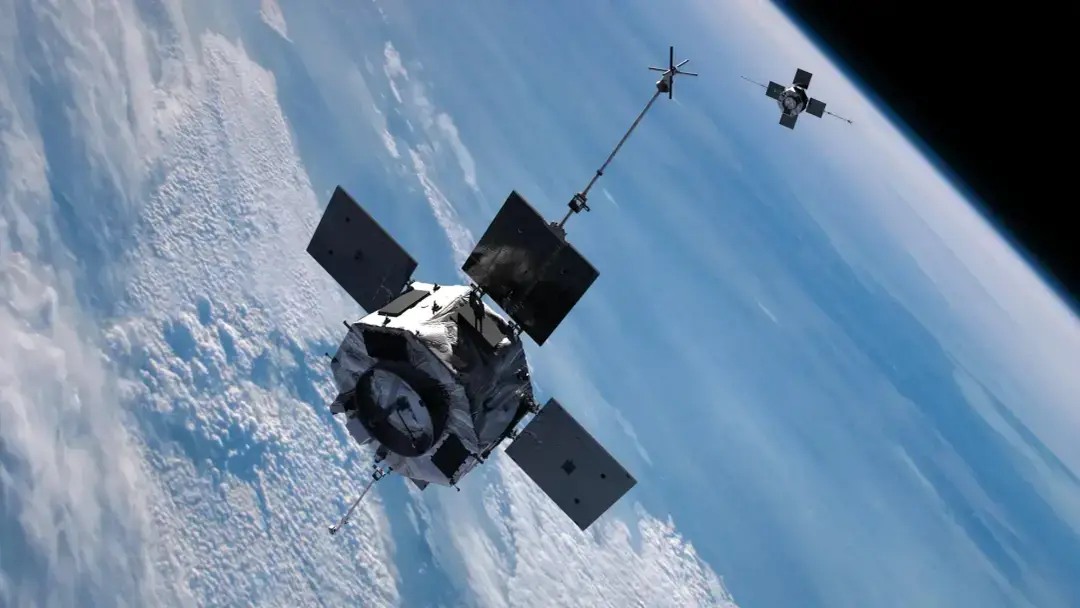
Some particles become trapped in two doughnut-shaped radiation belts around Earth known as the Van Allen Belts, which have been studied extensively by NASA’s Van Allen Probes.
The twin spacecraft was launched in 2012 to better understand how energy and radiation move through near-Earth space.
Allen Probe A has very likely crashed down to Earth in recent days, after spending seven years researching the belts and 14 years floating dead through space.
Its twin, Probe B, will remain off-Earth until 2030, it's been predicted.
Anyway, the magnetosphere isn’t a rigid wall. When it’s disturbed by solar activity, energy can ripple through it along magnetic field lines.
These ripples are called Alfvén waves.
The ‘space battery’ effect
According to new research published in the Nature Communications journal, Alfvén waves may provide the missing piece in explaining auroral arcs.
These waves travel along Earth’s magnetic field lines and can energise electric fields high above the planet.
Those electric fields then accelerate electrons downward into the upper atmosphere.
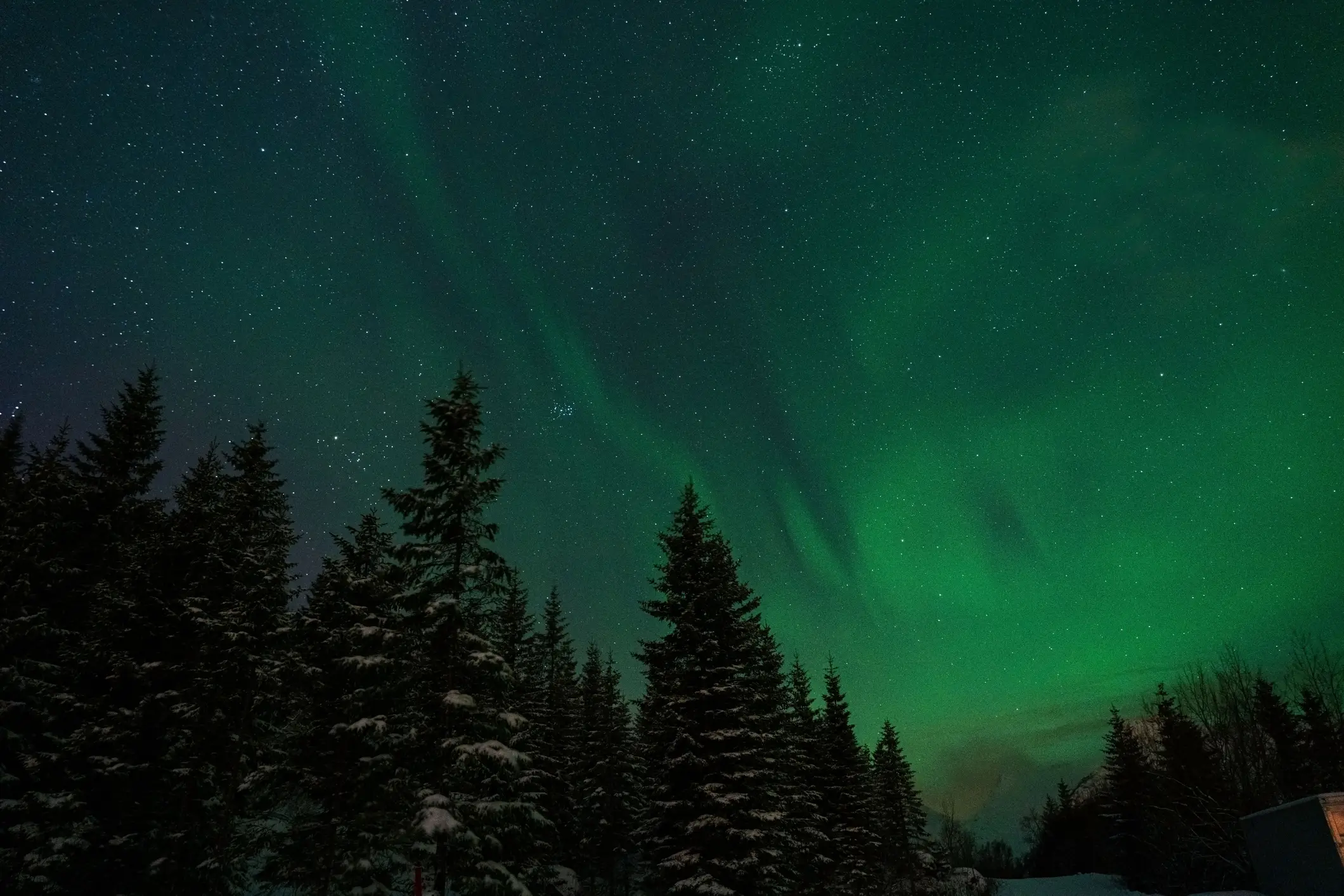
When the electrons collide with oxygen and nitrogen atoms, they release energy in the form of light, producing the vivid green curtains of aurora seen from the ground and thin glowing arcs observed from space.
In this sense, the Alfvén waves act like a temporary 'space battery,' powering the electric fields that trigger the light show.
Importantly, this space battery isn’t what shields Earth from destruction - that role belongs to the planet’s overall magnetic field and magnetosphere.
Instead, it’s a process happening within that protective system.
The same magnetic shield that deflects most of the Sun’s harmful charged particles can, during geomagnetic storms, funnel some of that energy along its field lines.
When that energy is converted into light, we see auroras.
In other words, auroral arcs are not the defence mechanism itself, but a visible side effect of Earth’s magnetic shield interacting with the Sun.
This is further supported by previous NASA research, as the space agency explains: "Similar particle acceleration has been observed by NASA’s Juno spacecraft around Jupiter."
The team of scientists, led by Sheng Tian of the University of California, Los Angeles, reckon Alfvén waves could also power auroral arcs at Jupiter and other worlds where auroras glow.
 Ellie Kemp