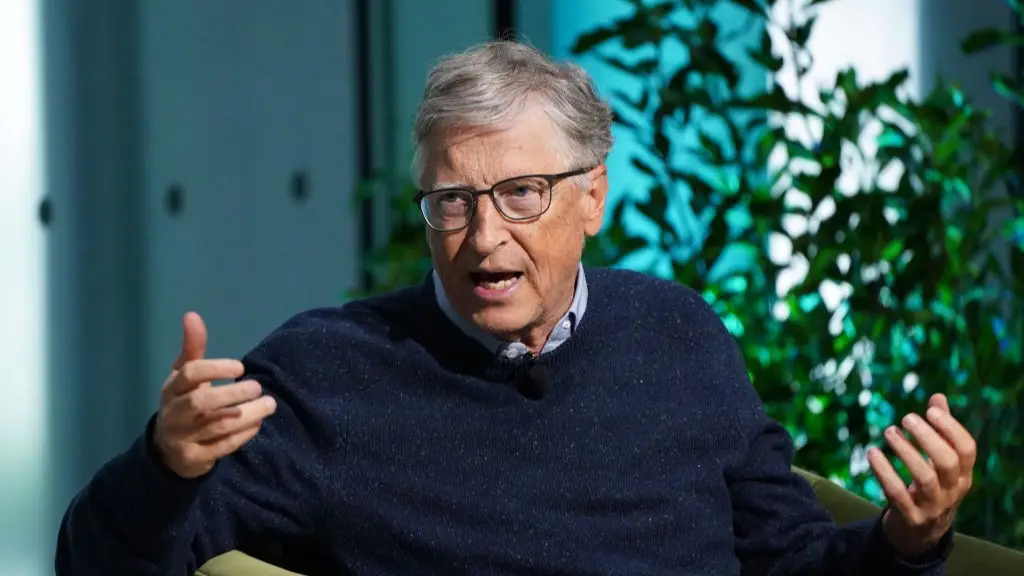
Bill Gates warns of three huge risks as society enters the AI era

Bill Gates has laid out three risks he believes could define the "AI era," warning that society is not remotely ready for what's coming.
Writing on his blog, Gates Notes, the Microsoft co-founder said the shift triggered by artificial intelligence 'will be one of the most turbulent times in human history,' and argued that leaders currently have no real plan for managing it.
Gates, 70, said AI's ability to replace human cognition sets it apart from every previous wave of technology, and warned that without intervention, the fallout could hit far faster and wider than past shifts like the move from farm work to office jobs.
The first risk Gates flagged is mass job loss. He pointed to white-collar roles already showing strain, nothing that employment has dropped noticeably among younger workers in the fields most exposed to automation, while older colleagues in the same industries have been largely unaffected.
Advert
Gates predicted the disruption won't stop with office jobs, eventually reaching construction and hospitality as robotics catches up with AI.
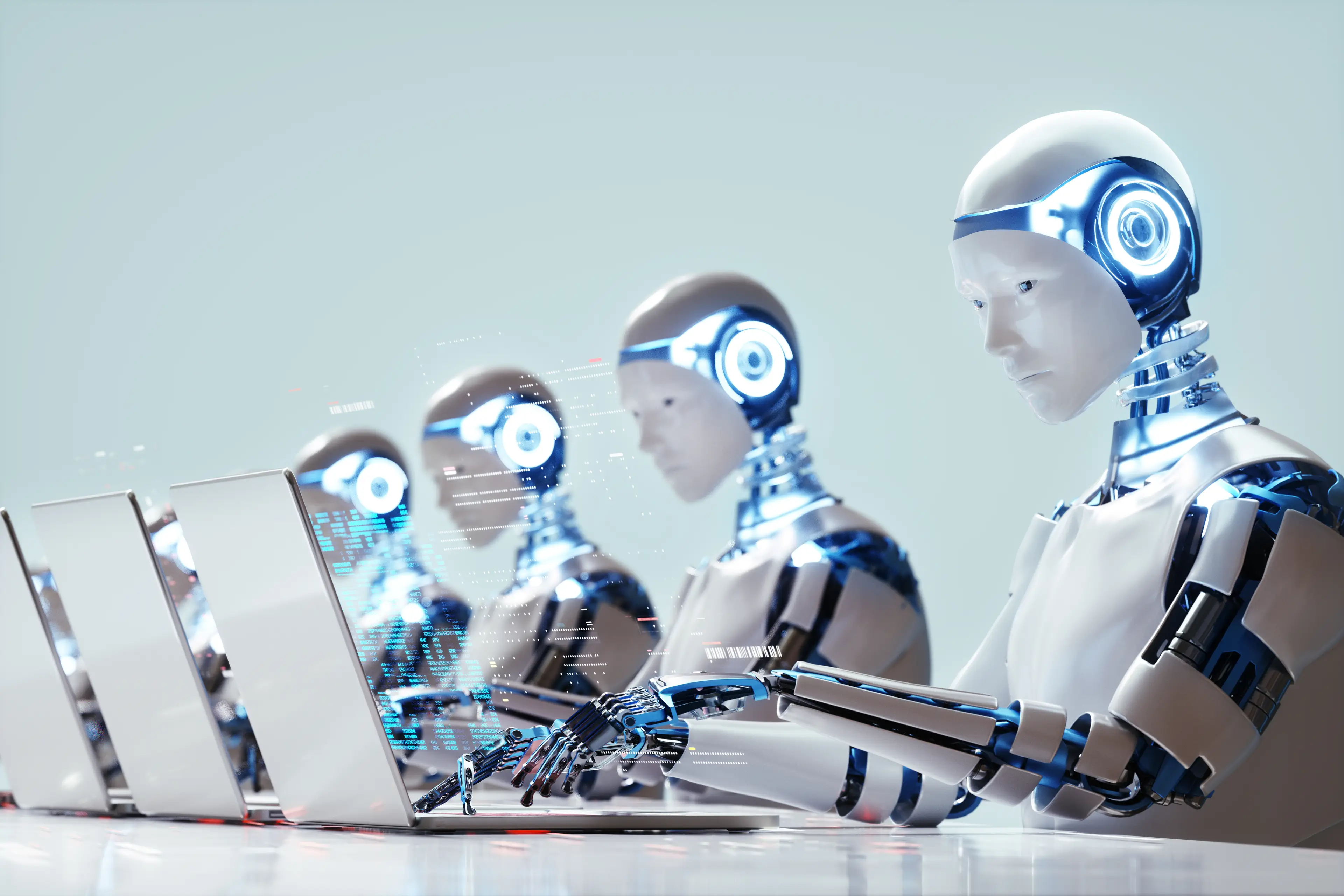
The second risk is that AI hands ordinary criminals and hostile states dangerous new capabilities, from fraud and deepfakes to cyberattacks on hospitals and power gris.
He said: "The smartest cybersecurity experts I know are scared about the next few years," arguing that attackers are gaining tolls faster than defenders can patch the holes.
The third risk centres on children.
Gates said AI companions could stunt young people's social development by removing the friction that teaches kids how to relate to others.
He cited a Stanford and Carnegie Mellon study of more than 1,100 AI companion users, which found that people with smaller social circles were the most likely to lean on a chatbot for company, and the more emotionally invested they became, the worst they reported feeling.
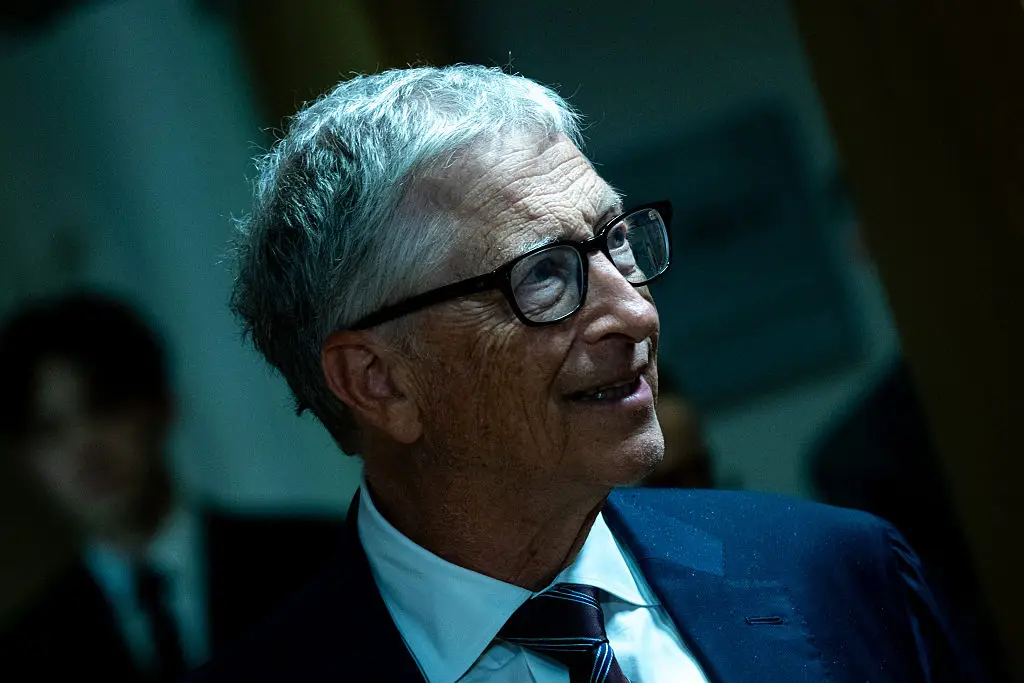
Why is Bill Gates worried about AI companions and children?
Drawing on Jonathan Haidt's book The Anxious Generation, Gates warned that Shielding kids from all discomfort, including the kind an endlessly agreeable AI chatbot offers, could leave them less able to cope with real-world setbacks later in life.
He also cited a preliminary survey linking heavier AI use to reduced critical thinking, an effect he said was more pronounced among younger users.
Despite the warnings, Gates said he isn't opposed to AI itself, insisting the technology could still be the 'greatest equaliser ever invented' if handled well.
He pointed to potential gains in healthcare, agriculture and government services, including the AI-powered stroke-detection tool Viz.ai, now used in almost 2,000 hospitals.
To manage the transition, Gates proposed taxing AI tokens and robots to fund retraining programmes, and creating a category of roles he's calling 'Human Reserved', jobs such as elder care that should stay with people regardless of what machines can technically do.
He referenced his own father's caregivers during his battle with Alzheimer's as an example of work he believes should never be automated.
Gates said responsibility for building this framework shouldn't fall to AI companies alone, calling instead for a 'public democratic process' involving officials, educators and community leaders.
Topics: Artificial Intelligence, Bill Gates
 Thomas Bamford