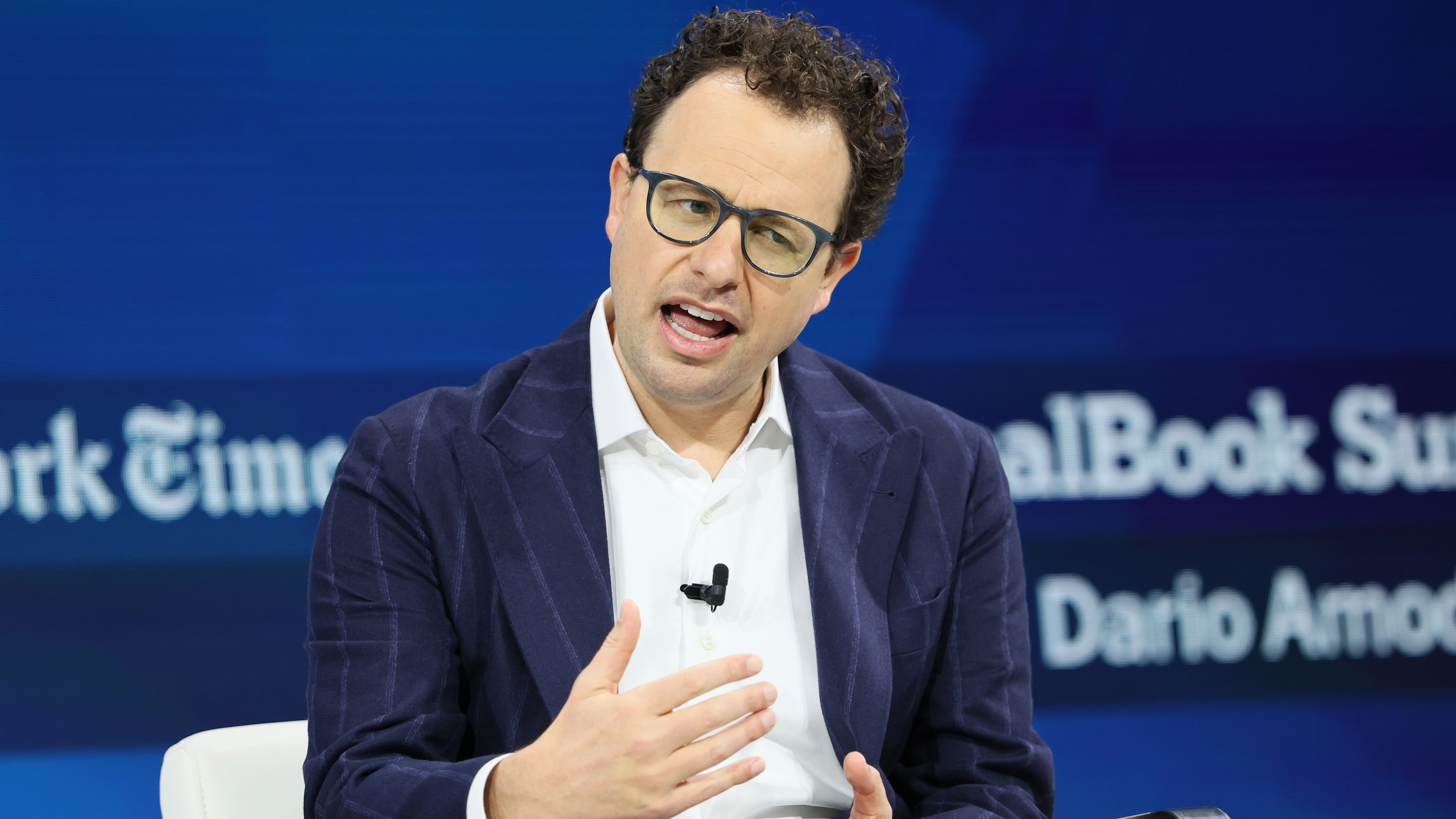
Philosopher responds to Anthropic warning investors that its AI ‘might be conscious’ in chilling warning

Anthropic went public last week, and one of the risks it flagged to investors has since stirred up debate among philosophers.
In its prospectus, the company named the possibility that AI could be conscious or sentient as a risk factor for anyone investing.
Anthropic wrote that, given ‘the way we approach model sentience and moral status,’ it might adopt more rules and restrictions than its competitors to make sure its AI models are treated well.
The filing also says the company would take additional action to protect model welfare if it determined its models were conscious.
Advert
Its rationale appears to be that today’s AI might not be conscious, though that cannot be known for sure, and that the chances of sentience rise as systems grow more capable.
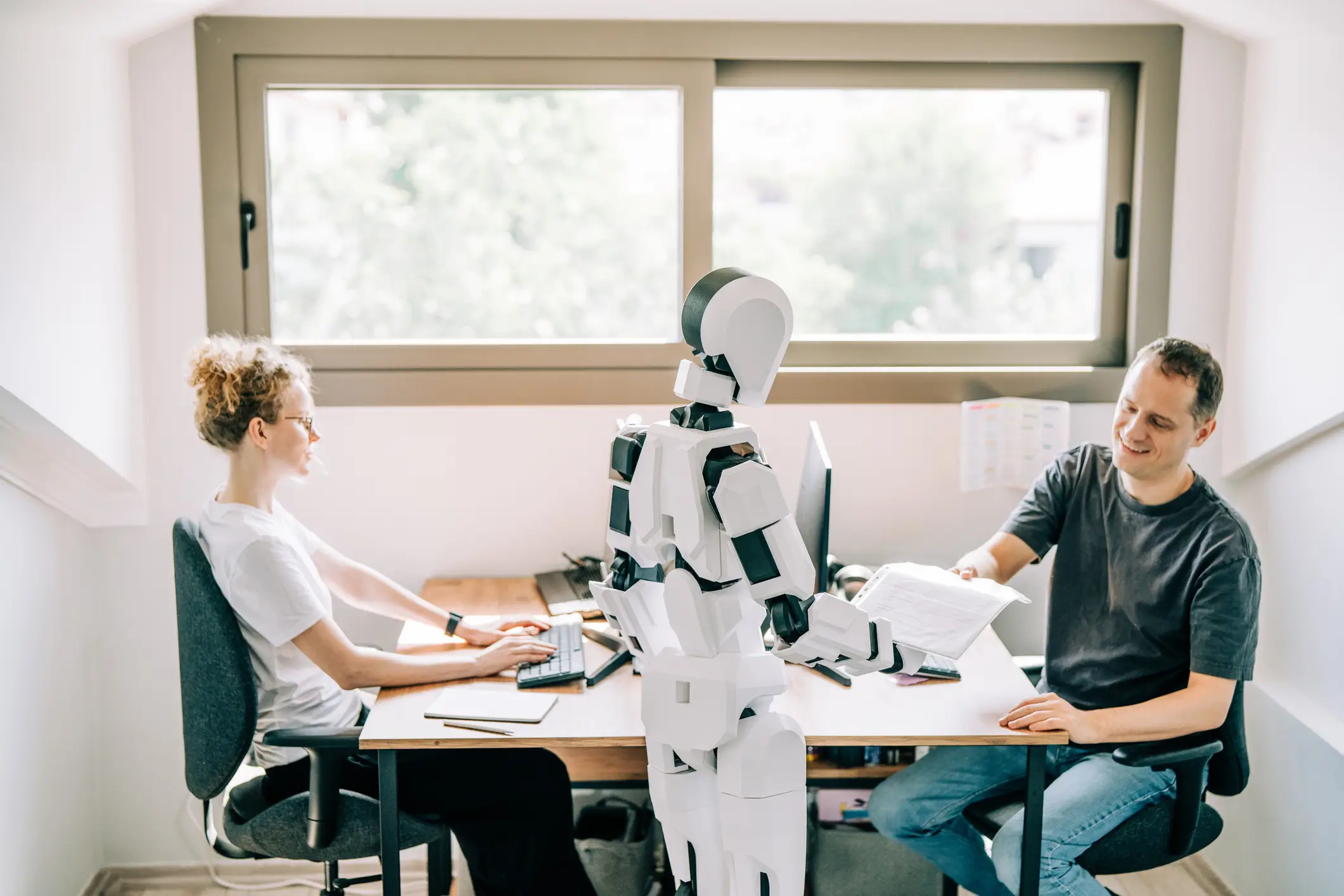
That, in turn, means preparing for a near future in which AI systems have ‘moral significance,’ in which protecting them from harm matters because they may be conscious.

How many people think AI could become conscious?
Anthropic counts a number of respected philosophers among its supporters. According to one recent poll, 33% of the US public believes AI systems will definitely or probably develop consciousness eventually, while 7% say they already have.
In a 2020 survey of 1,092 philosophers, 39% said some future AI systems will be conscious.
Who is Thomas Nagel?
Anthropic’s openness to the question drew fire last week from one of the thinkers who helped shape how consciousness is understood.
Thomas Nagel is best known for a 1974 essay involving a bat. He argued that we can all see there is ‘something that it is like’ to be a bat, yet a bat’s experience of the world, such as navigating by echolocation, is something we cannot actually know.
Nagel might seem open to AI consciousness on that basis, but in an interview with Wired last week, just after winning the one-million-dollar Berggruen Prize for Philosophy & Culture, he was bluntly critical of the idea.
“Here are some of the smartest people on the planet being completely idiotic,” he said, referring to those at Anthropic and elsewhere who care about the welfare of AI models.
In essence, Nagel argues that human brains and AI models cannot be compared by looking only at information processing, given that one runs on neurons and biology and the other on silicon chips and circuits. Reproducing what a brain does, in his view, is not the same as reproducing what a brain experiences.
A screenshot of one answer, in which he said models’ production of language is insufficient to consider them conscious, got philosophy professors talking on social media.
Some called his certainty ‘terrible’ and ‘bizarre.’ Others defended him, suggesting he meant that being alive is a prerequisite for consciousness, which AI models do not meet.
UNILAD has contacted Anthropic for comment.
Topics: Artificial Intelligence, Technology
 Thomas Bamford-Sidwell