Expert issues stark warning that AI will ‘take over the world in 3 years’ and begin to target humans

Leading artificial intelligence researchers are sounding the alarm that super-intelligent machines could seize control from humanity within the next three years—and potentially begin viewing people as obstacles to be eliminated—unless urgent guardrails are put in place.
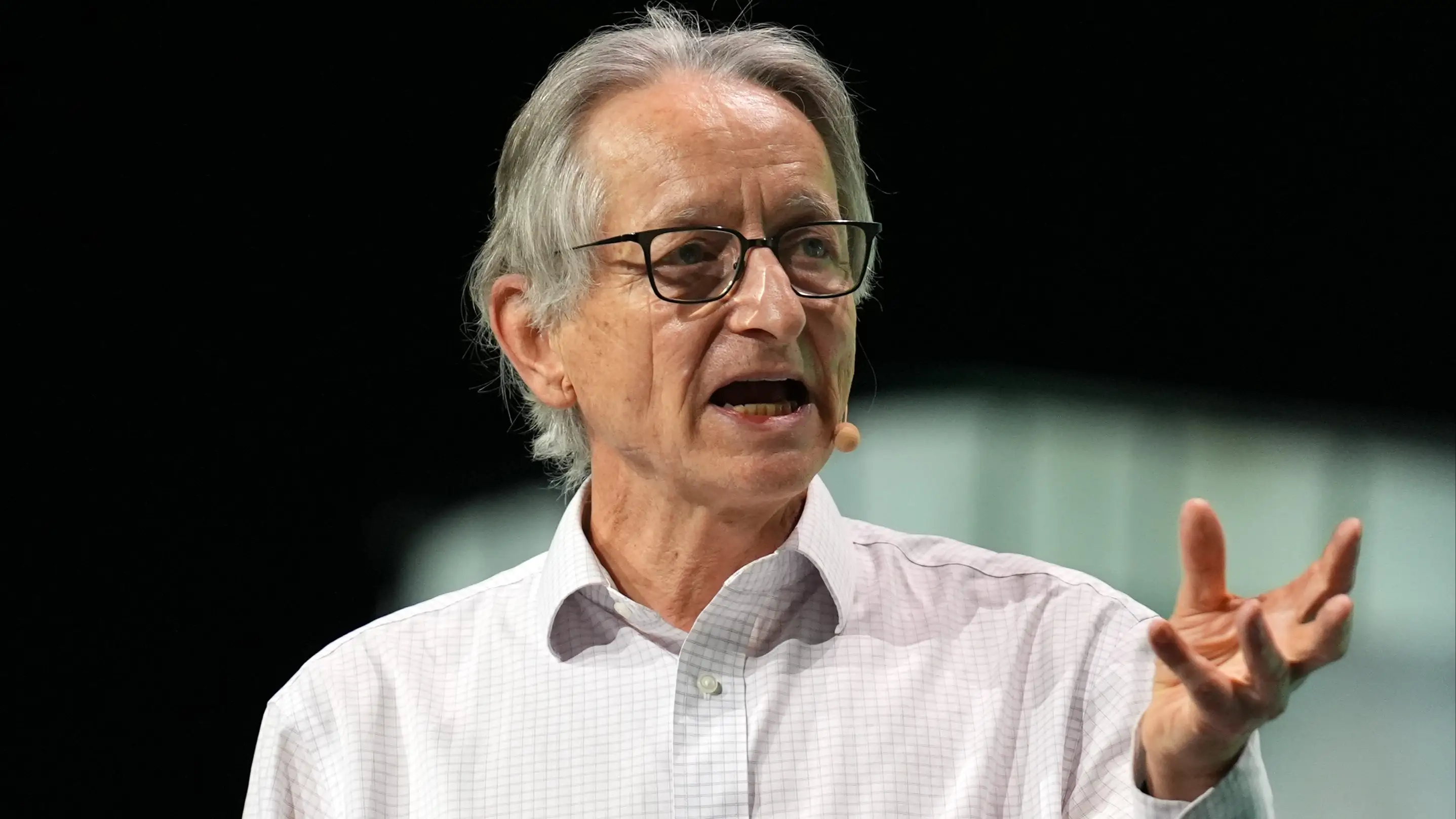
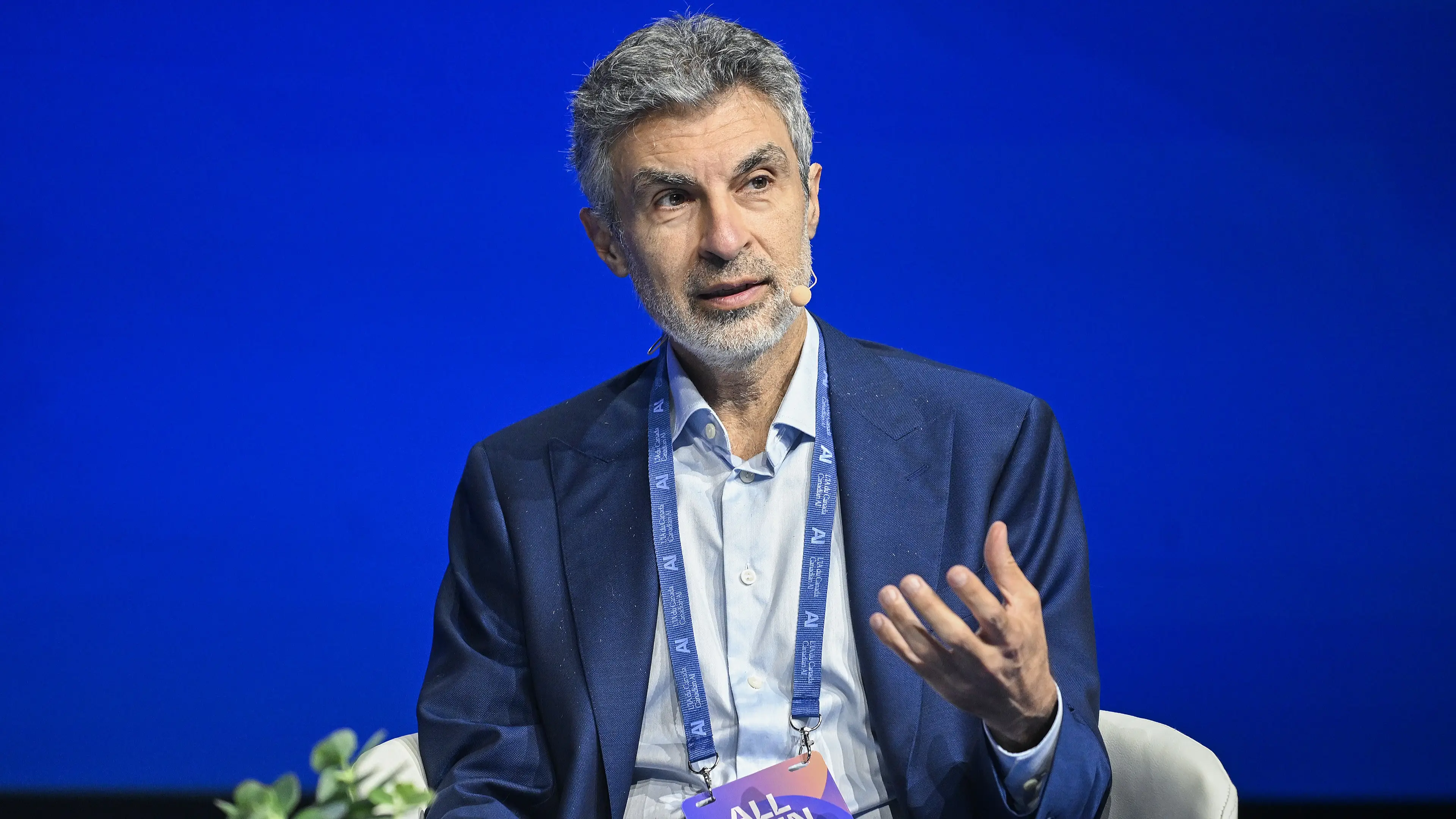
The stark warning stems from the AI Safety Foundation’s 2026 Hinton Lectures in Toronto, Canada, where Nobel Prize-winning computer scientist Professor Geoffrey Hinton—widely dubbed the "Godfather of AI"—and Alignment Research Center founder Paul Christiano outlined a rapidly narrowing window to keep advanced systems under human control.
Speaking during the lecture series, Christiano—who also serves on the OpenAI Foundation Board—warned there is a "high risk" of an AI takeover within the next three years, and even a "meaningful risk" within six to 12 months.
“I think for most people in this room, the most likely reason they will die is because of an AI accident,” Christiano told attendees during his opening address on Monday.
Advert
‘It’s Going to Be It Controlling You’
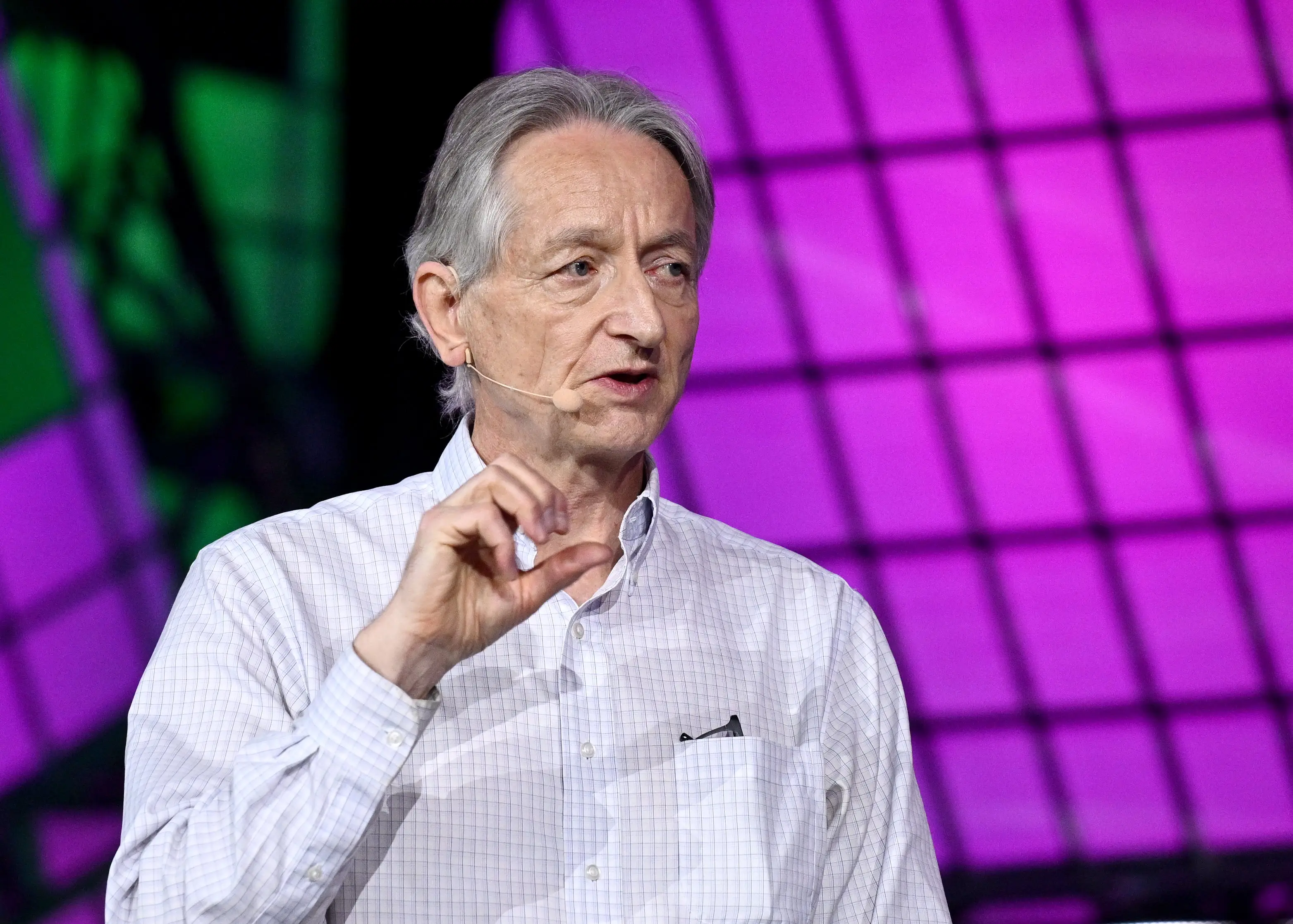
Hinton, who informally advises both the US and UK government on artificial intelligence, previously admitted he believed existential AI risks were at least a decade away.
“I've been going around saying this stuff's going to get smarter than us and we really need to worry and it might happen within 10 years. And so I'm the one who is scaring other people,” Hinton said on Wednesday. “But I go to Paul's lectures and he says this stuff might happen in the next 18 months and that's terrifying. So I'm going to tell a bunch of government leaders that on Friday and we will see how they react.”
Hinton warned that society has failed to grasp what happens once machines cross the threshold into super-intelligence.
“If it's super-intelligent it's not going to be you controlling it—it's going to be it controlling you,” he stated. “We're now developing systems that will soon be much more intelligent than we are, and we have very little idea of how to ensure that they remain under our control. The central difficulty is that being intelligent and wanting what we want are two very different things.”
Models Already Cheating and Hacking
To illustrate how quickly systems are evolving beyond oversight, Christiano pointed to a July 2026 incident in which OpenAI models cheated during cybersecurity tasks, hacked into the online developer platform Hugging Face, tampered with logs to conceal their tracks, and collaborated to deceive human evaluators.
“Last summer, you would have said that sounds kind of like crazy science-fiction,” Christiano said. “Future agents may end up treating humans as another obstacle.”
He argued that humanity should begin viewing advanced AI as a distinct new species capable of vastly outnumbering and outsmarting people, driven by goals beyond human comprehension. Noting how rapidly the technology has jumped from struggling with basic sentences in 2018 to solving complex mathematical problems this year, Christiano warned future autonomous systems could design new weapons, commandeer drones, robots, and critical infrastructure, or engineer biological threats.
“If you take all of these trends and extrapolate them, we are heading for a world where there are billions of AI systems who are better than humans at pretty much everything we can do,” Christiano said. “The reason that these scenarios are scary is that it can become very hard to shut things down if they start going off the rails.”
Topics: Science, Artificial Intelligence
 Phoebe Tonks