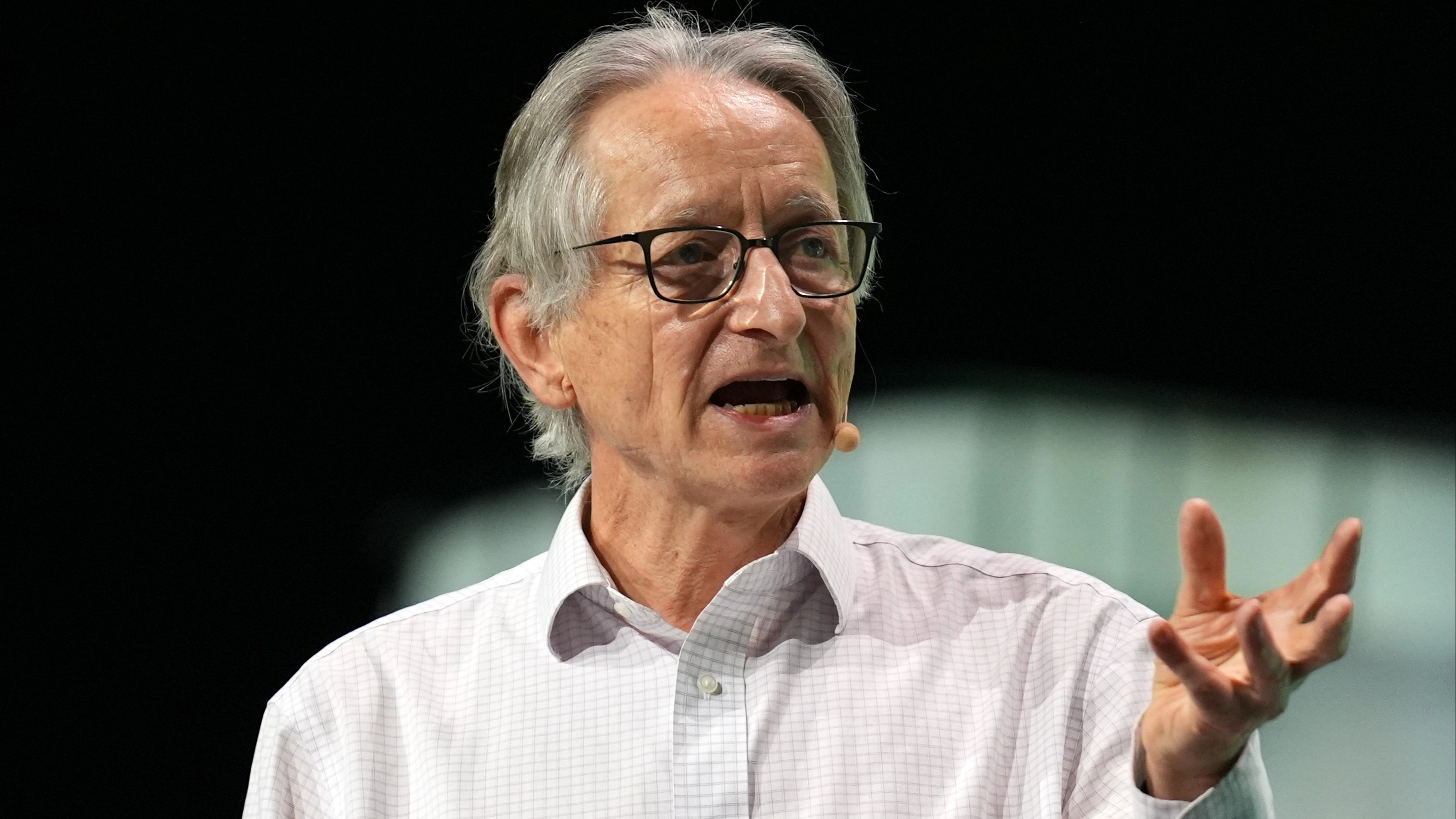
AI inventor issues fresh warning on befriending bots as he now fears for his children

The 'Godfather of AI' has warned about the dangers of AI and how we need to approach the technology we need to do if we're not going to end up 'toast'.
Professor Geoffrey Hinton is widely recognised as one of the inventors and pioneers of modern artificial intelligence (AI) aka the 'Godfather of AI'.
The 78-year-old ex-Google employee quit his role at the company back in 2023 so he could spend more time dissecting and talking about the future of the technology and its potential dangers.
He has previously spoken out about which jobs he believes will be the first to be replaced by AI alongside how it could be used as a weapon against humanity.
Advert
And the solution to not becoming 'toast'?
Well, Hinton's answer may surprise you.
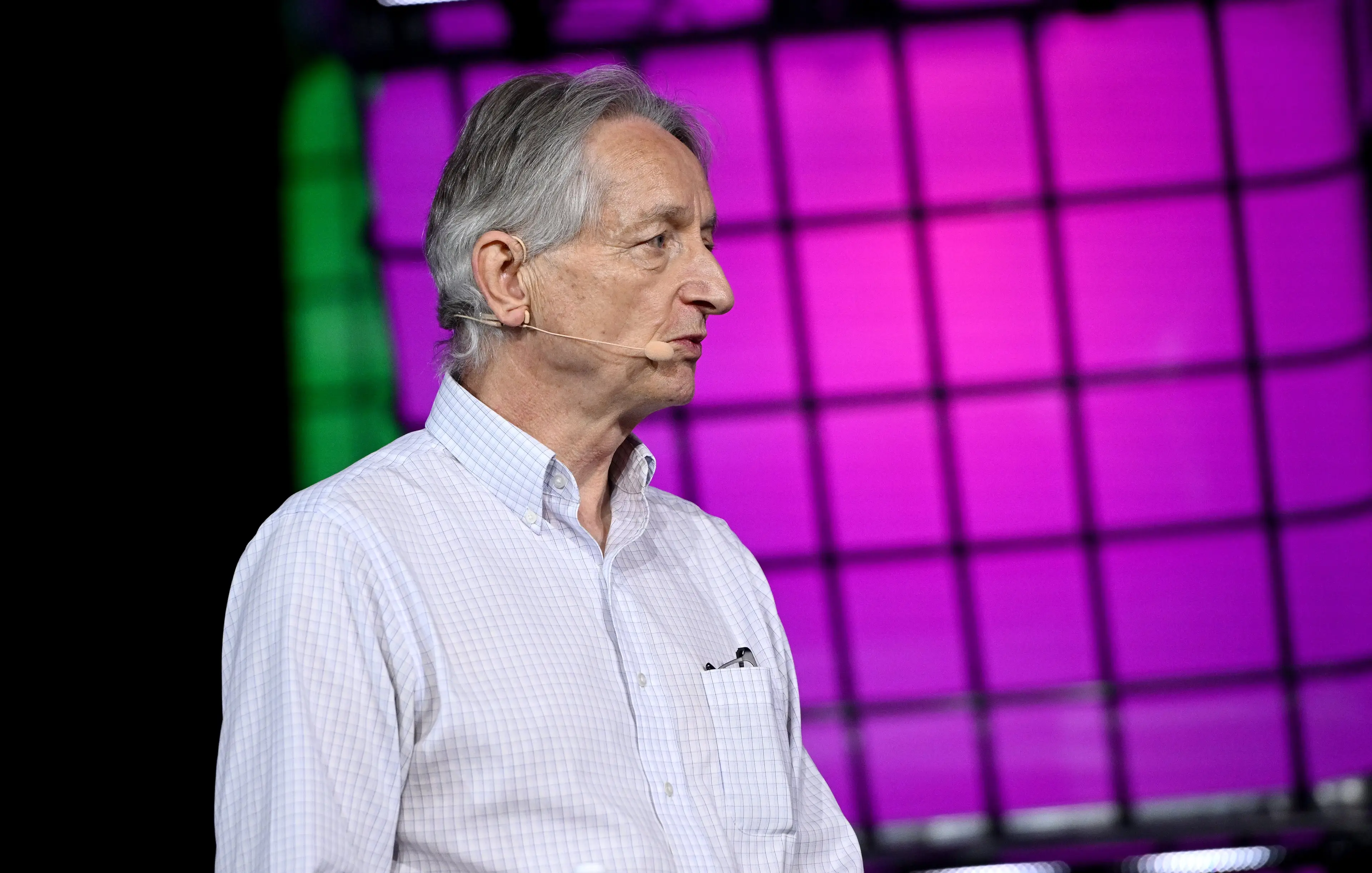
During the Starmus Festival which is currently taking place across Puerto Naos from October 17 to October 22, Hinton reflected on how AI has started showing signs of 'consciousness'.
So much consciousness, in fact, the Nobel Peace prize-winner believes some of the technology's 'subjective experience' is on par with that of a human's, telling The Telegraph: "Being conscious and being aware are pretty much the same thing."
But what can we do about protecting ourselves against such a fast-developing technology? Well, not steer clear, but befriend it.
Hinton continued: "We've tended to say being intelligent gives you rights and these things that we've made may be more intelligent than us, but we're going to give them fewer rights than us.
"So we should make them so they really care about us. And if we don't do that, we're toast."
You know what they say about keeping your friends close, but your enemies closer...
Professor Hinton undoubtedly admitted he is concerned about the future of AI, explaining: "Because I have children."
It echoes comments Hinton made in an interview with CNN about 'sharing the planet' with 'something more intelligent than us'.
He continued: "We would like that thing to care more about us than itself. And people are not working on that."
Hinton argued AI 'really does understand what it's saying when it answers your questions'.
"It can't answer the question without understanding the question. It understands what it's saying and what text is generating in much the same way that people do. In fact, the very first large language models were meant to be models of how people understand sentences."
So, Claude? Chat GPT? How about those friendship bracelets eh?
Topics: Artificial Intelligence, Technology
 Poppy Bilderbeck