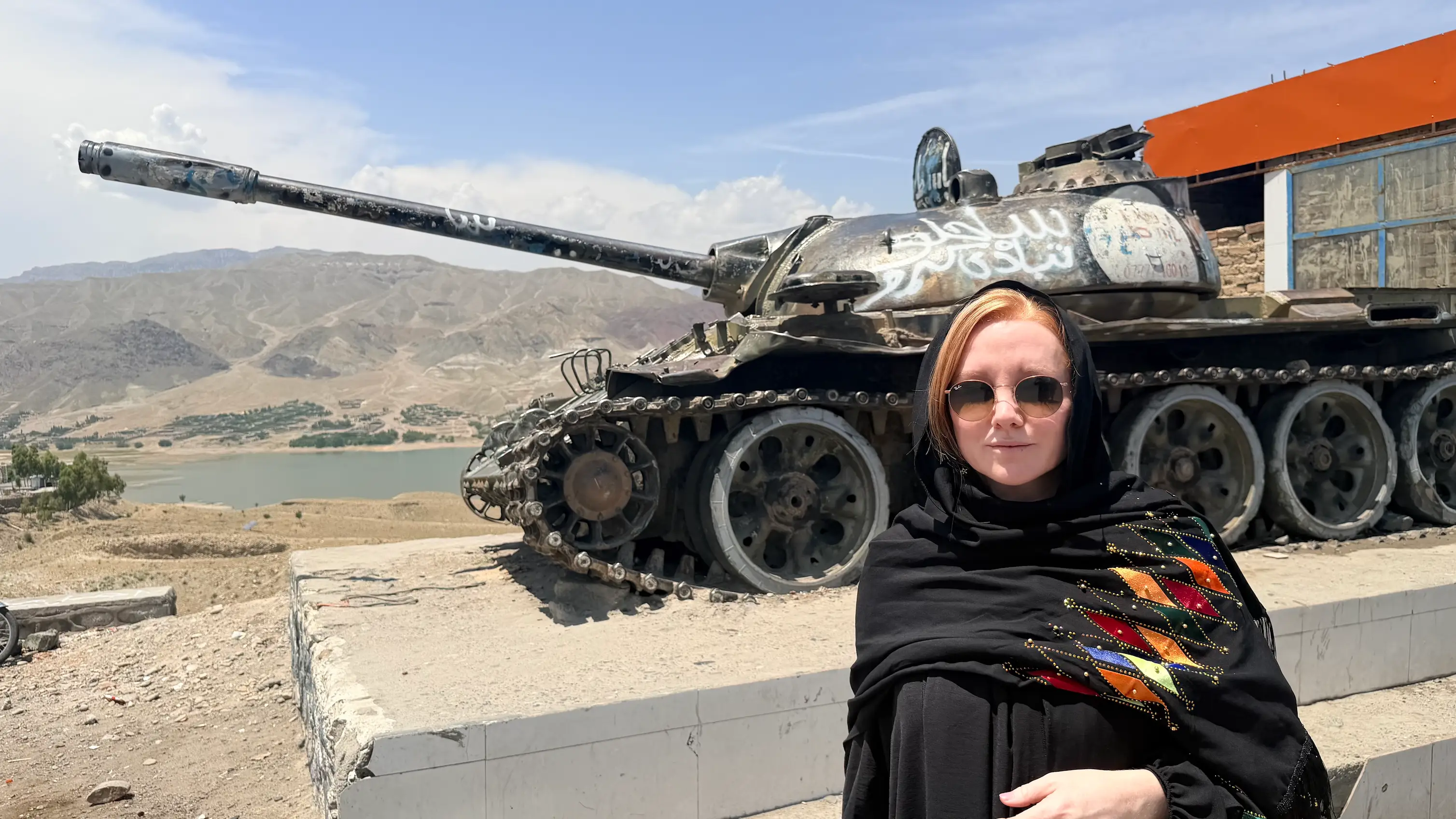
'I backpacked across Afghanistan - This is what my experience was really like'

Five Taliban guards, one suitcase and an enormous, unravelling purple bra: it is not the scene most people would expect at an Afghan airport.
Yet that is exactly what British travel vlogger Carrie Patsalis says unfolded at Kandahar airport, in one of several stories she shared with UNILAD about her time in the country.
Patsalis spent 25 years in UK broadcasting before moving into travel vlogging. Between 2000 and 2008 she produced and directed for the BBC, ITV, Channel 4, Channel 5 and Discovery, on shows including Wife Swap, Heir Hunters and How Do They Do It.
Patsalis, 49, has visited Afghanistan more than once, including in 2024 and again in 2026.
Advert
She says the reality bears little resemblance to the war footage that shapes how many people imagine it.
She said: "I think I expected Afghanistan to feel frightening all the time. You spend years seeing the country through war footage, explosions, Taliban fighters and military operations, so subconsciously you imagine you're going to arrive somewhere permanently on edge: guns, knives, desert-like conditions.
And then you land in Kabul.
"You're greeted with smiling faces, people instantly wanting to help you, manicured borders, surprisingly clean streets. Hospitality towards guests is so ingrained in the culture that it's actually quite disarming at first."
Her account sits against a stark official backdrop.
The US Department of State keeps Afghanistan under a Level 4 ‘Do Not Travel’ advisory, citing terrorism, kidnapping and wrongful detention.
Its embassy in Kabul is suspended, meaning Washington cannot provide emergency assistance to US citizens there.
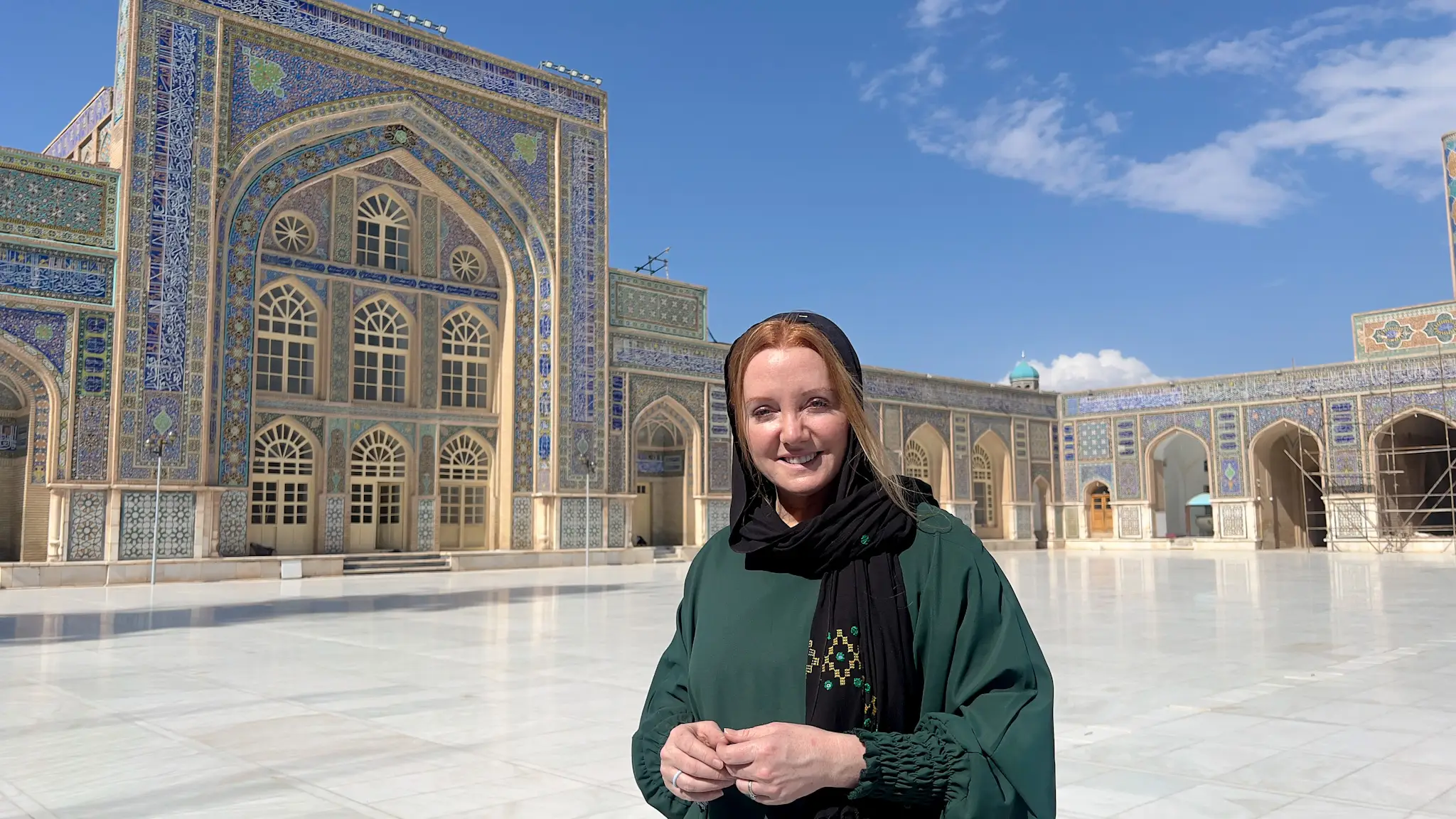
Carrie said security in Kandahar was an experience in itself. She was separated from her luggage, large dogs were brought in, and a screen ‘like a shower curtain’ was pulled across so she couldn’t see her bags being searched. Because her guide was male, she was also kept apart from him for nearly an hour.
Then, in departures, her name was called over the tannoy. Guards wanted to hand-search her checked luggage again. Patsalis had packed a three-metre Insta360 pole, which she said looks like a giant metal baton when folded down.
Five guards gathered around the case. She suggested they fetch a female guard, but they declined. One reached inside and pulled out the purple bra.
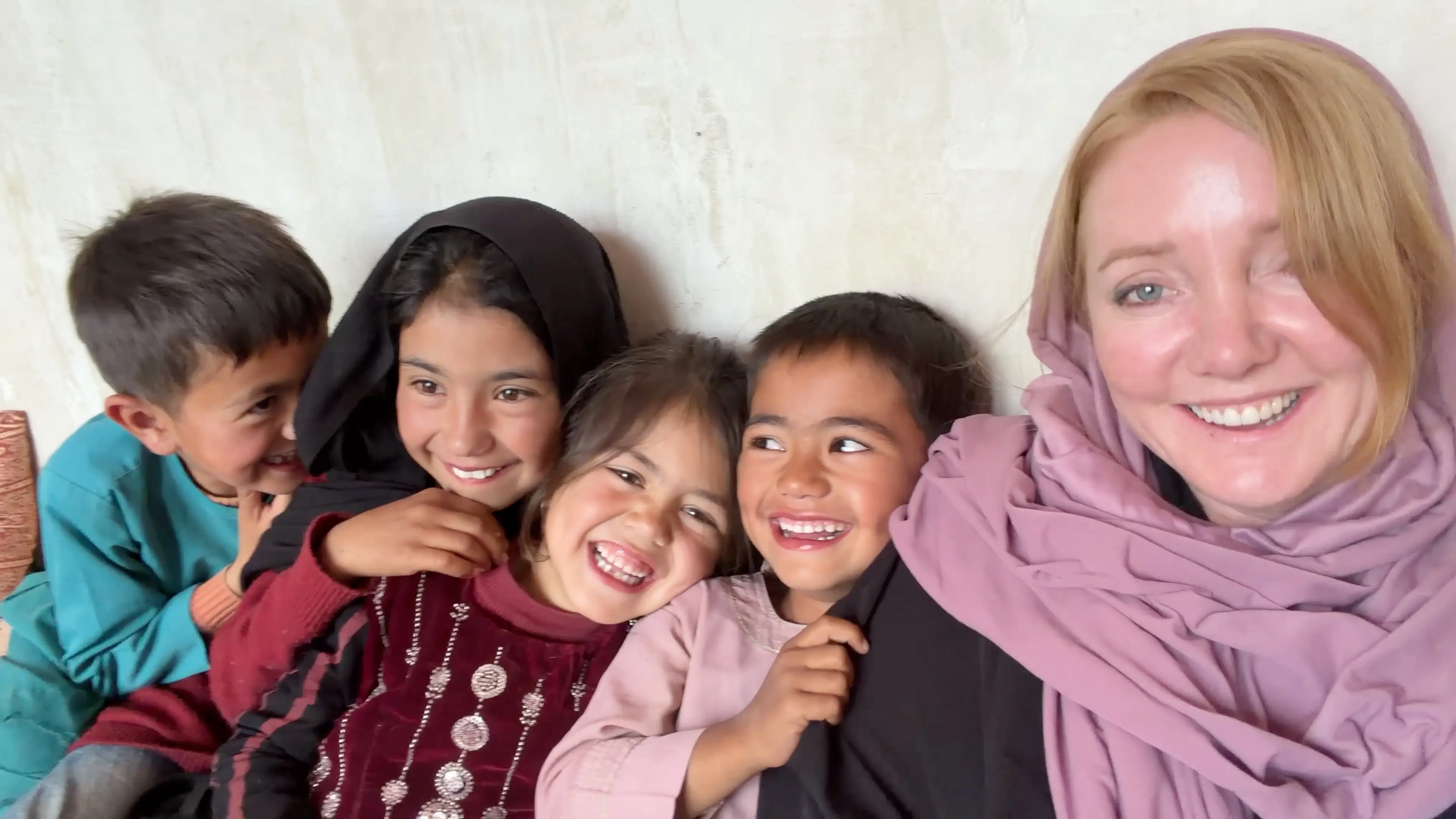
“Everything stopped,” she said. The guard froze, as did his colleagues, and Patsalis said she was trying not to laugh in case that was banned too. When she offered, “Would you like me to help?”, he let go and stepped back ‘as if it was a grenade’. She then showed them the pole, was told to repack and boarded her flight.
Carrie said that the one word she'd use to describe Afghani's is kind. When she told people she was British, the first response was nearly always 'welcome, you are our guest'. She said she never met the hostility news might lead you to expect and described Afghans as 'almost aggressively hospitable' - to the point of arguing who pays for the tea.
One journey drove it home. Travelling from Kabul towards Jalalabad and on to remote Nuristan amid tensions between Pakistan and Afghanistan, with fighting recently reported near the border and a university hit, her car broke down three times as a huge storm built.
Locals crawled under the vehicle to fix it and refused payment. In Jalalabad, people gave her shelter and food, again free. Then gunshots rang out. Patsalis said she must have looked horrified, because everyone laughed: 'It’s fine. It’s a wedding.'
She has also watched guns and knives change hands on mountain roads and had Taliban members climb into her vehicle for a free lift.
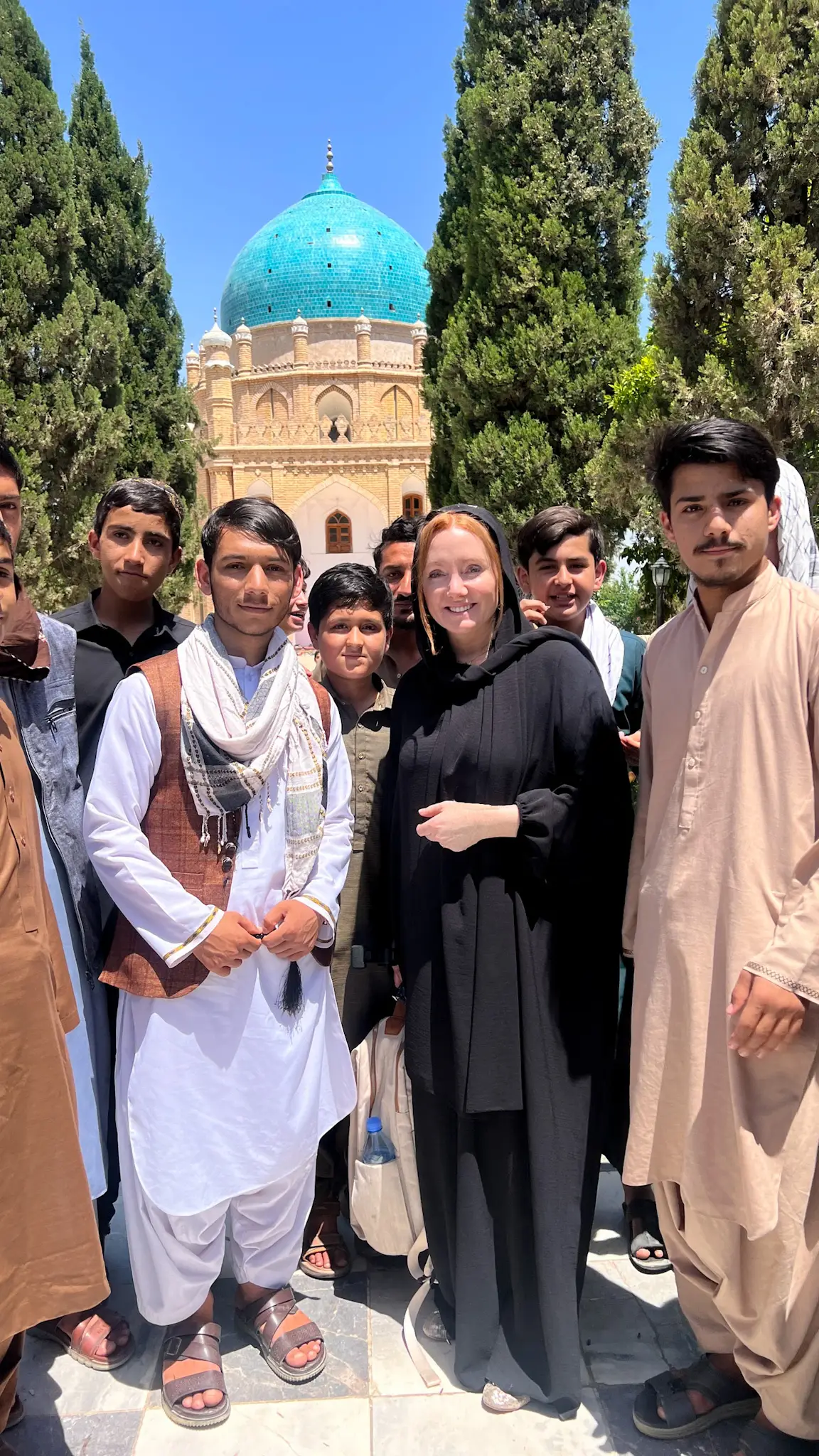
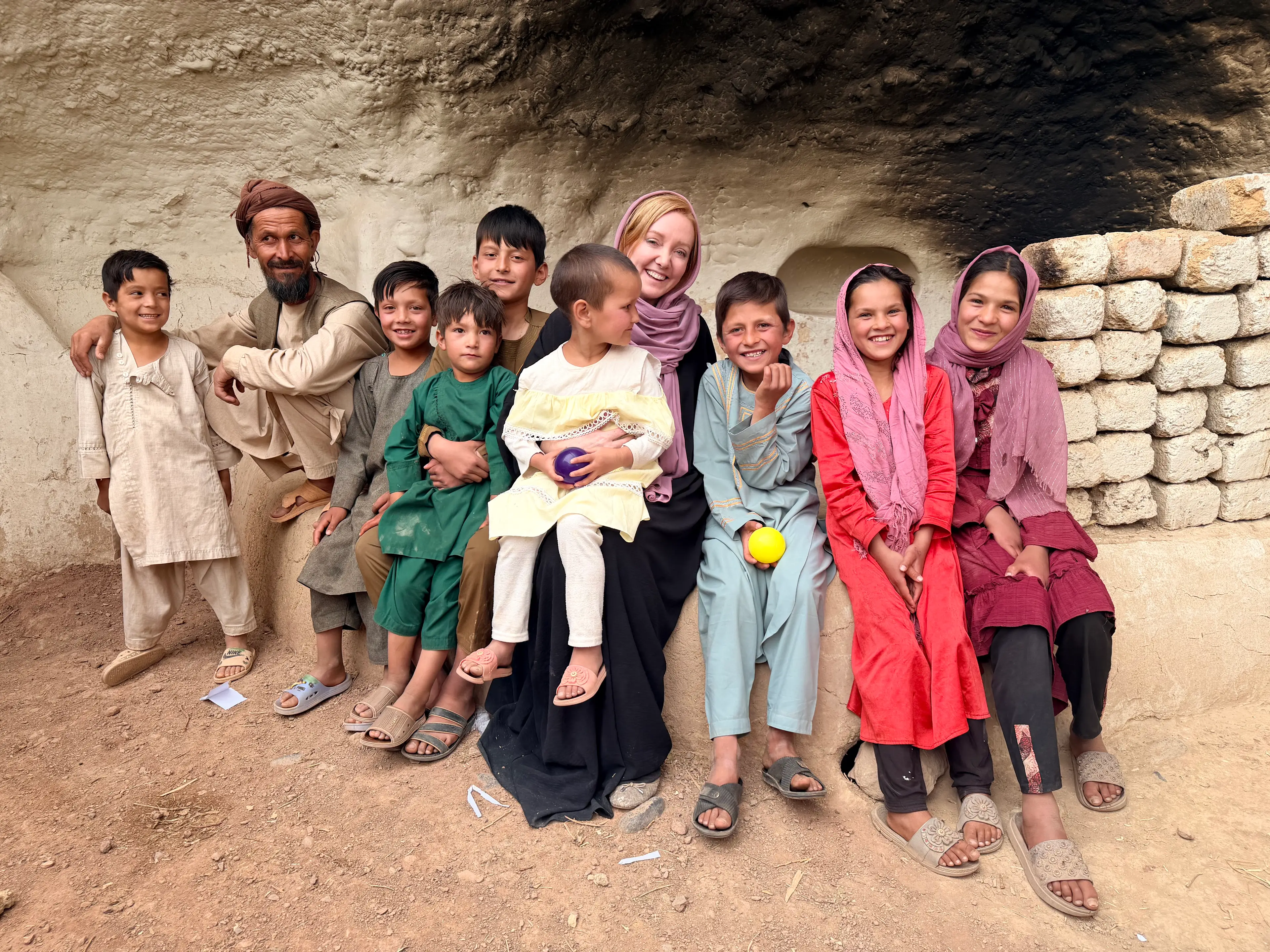
But among her happiest memories is a visit to a family's cave house, where one man had worked with the Taliban during the US-led war. He turned out to be quiet and gentle with the children, she said, and they all made paper aeroplanes over chips and chai.
Everyday life suprised her too. Afghans love Mr Bean and Charlie Chaplin, adore a BBQ and keep to an ‘entirely separate Afghan timeline’. Men have told her that time with a foreign guest felt like a holiday, she said, because they cannot normally socialise with women.
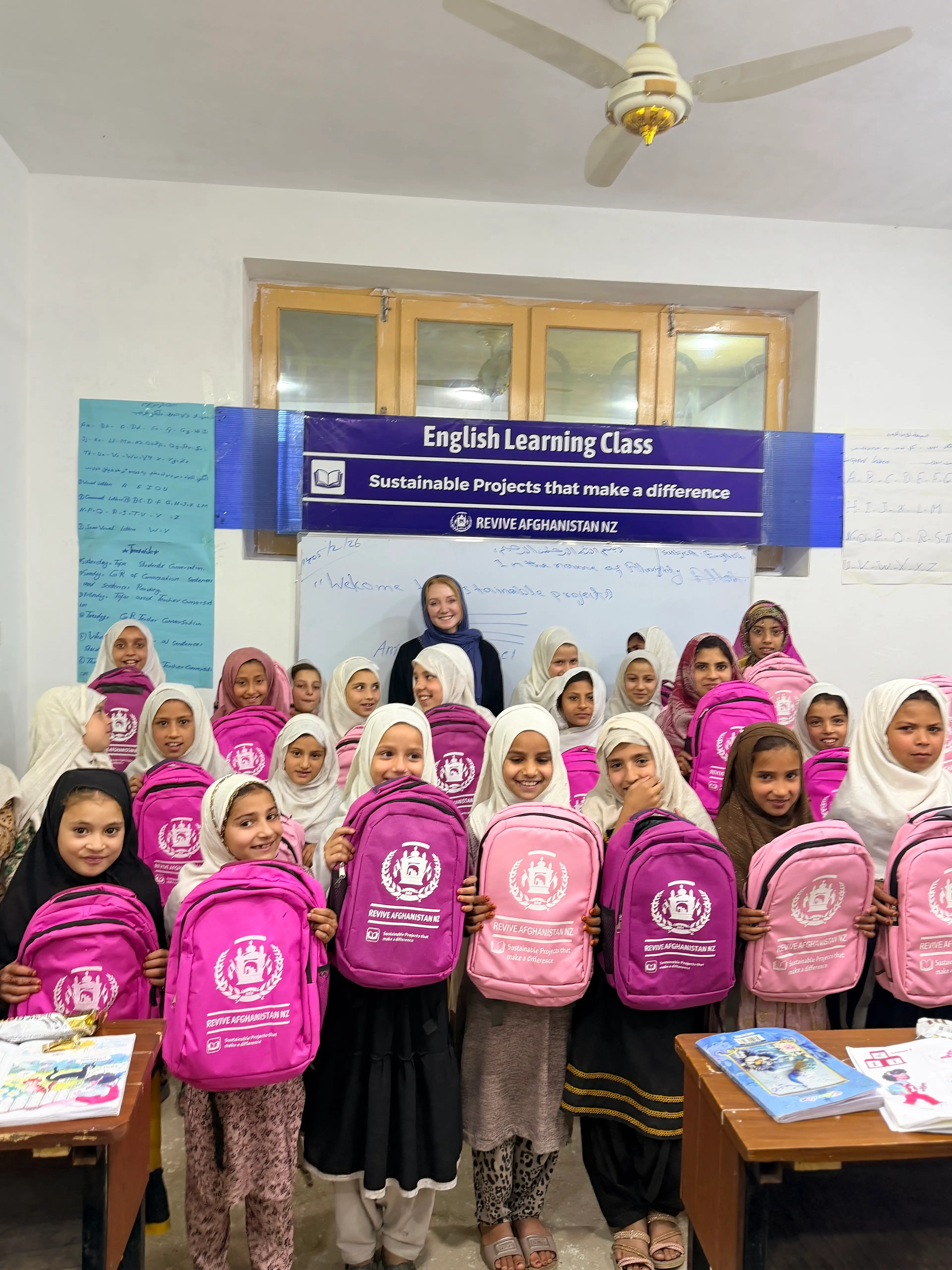
Carrie said that life in the capital city, Kabul, was really different to life off the beaten track.
She saw women in abayas with their faces uncovered, groups shopping for make-up and others drinking tea in restaurants and gardens, alongside luxury apartments and private clinics. But she said many people accessing that world are comparatively wealthy, and that a twelve-hour drive into rural Afghanistan reveals a very different country.
“Kabul is Afghanistan, but Kabul is not all of Afghanistan,” she said.
The mood has shifted since 2024, she added. Then, people were grateful for peace, with one man telling her that leaving for work without fearing an explosion was enough.
Carrie said:"The peace was still valued, but I was hearing much more frustration about the economy, opportunities and the restrictions imposed on women. Keeping roughly half the population out of secondary and higher education and much of the workforce has consequences for the whole country.
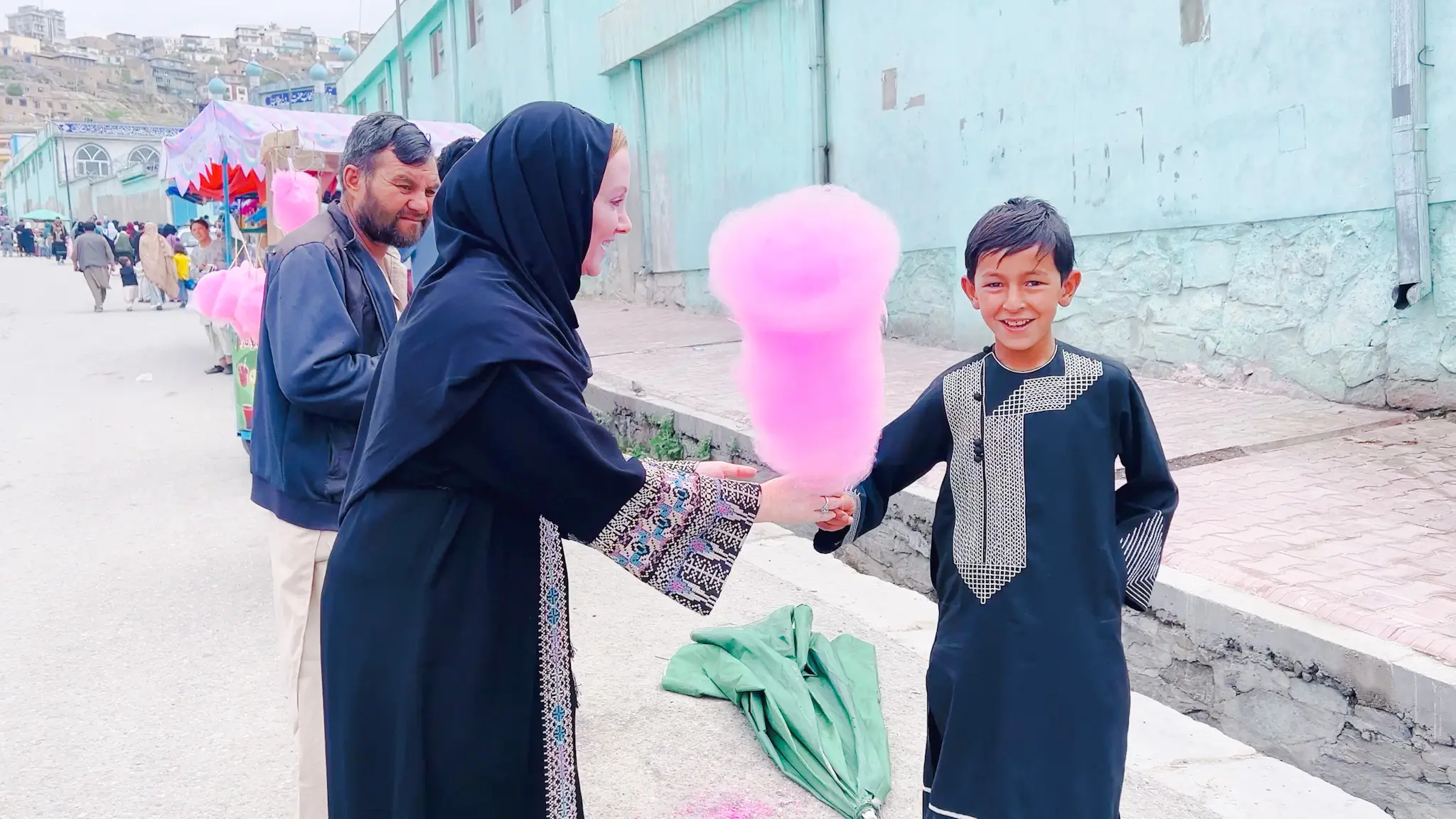
I heard conversations I simply hadn't heard in 2024: resentment, frustration and people questioning where Afghanistan goes from here.
And healthcare really brought that home to me. Afghanistan desperately needs female doctors, nurses and midwives, yet girls can't continue into secondary education and women have now also been excluded from medical training.
I wouldn't pretend to know what happens next politically, but the mood definitely felt different. In 2024 people talked to me primarily about peace. In 2026, they were increasingly talking about what that peace was costing them.
Healthcare brought that home. At a private medical facility, female doctors told her they had not seen new female doctors for years, even though the Taliban do not allow male doctors to treat women for certain conditions.
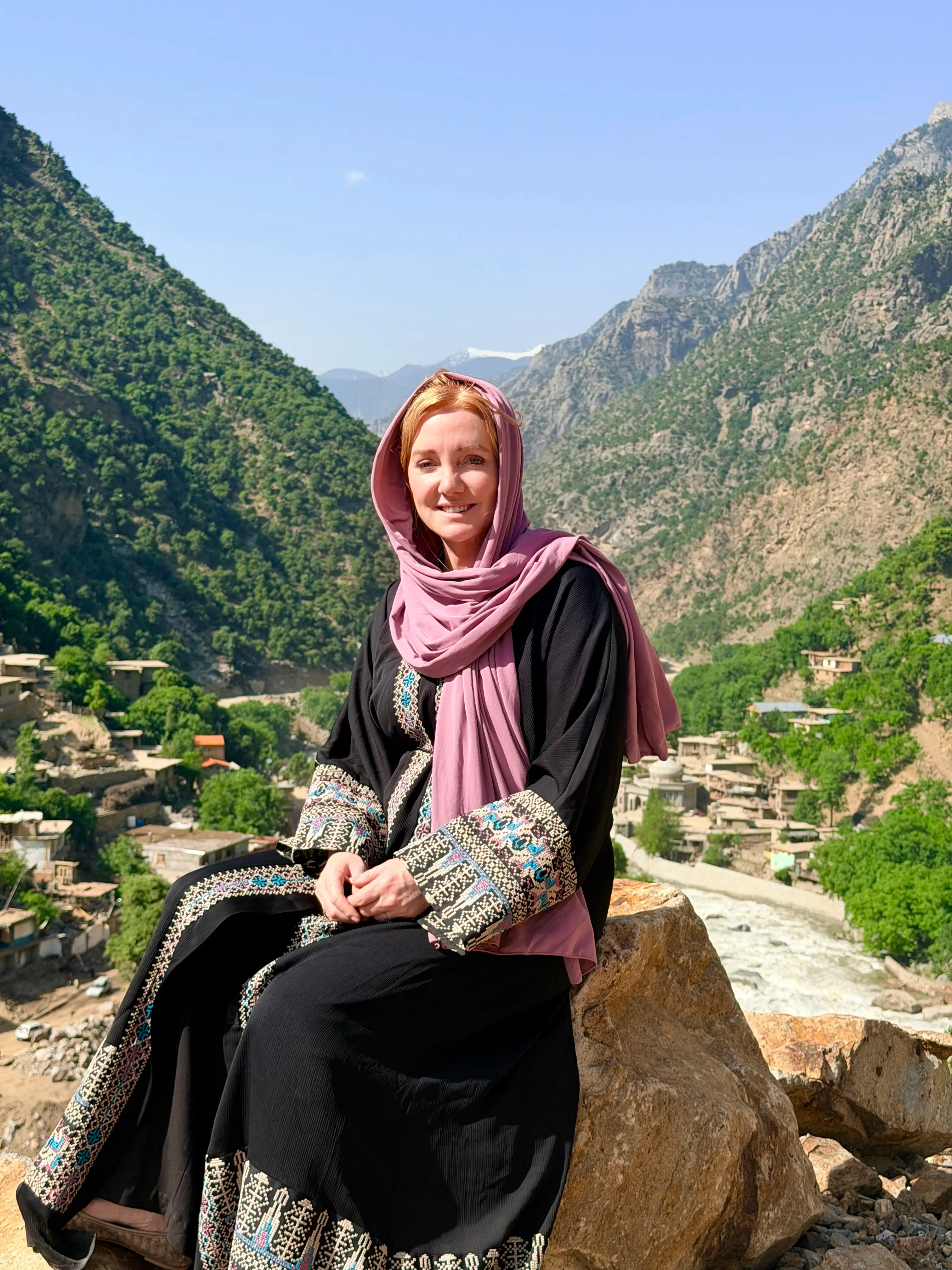
Patsalis also met a woman who was one year from qualifying as a doctor when she was banned from finishing her degree. She now runs a small charity teaching women to sew. “I get to fly, whilst she’s had her wings cut off through no fault of her own,” Patsalis said, recalling that she burst into tears.
Her message is simple. The Taliban and the Afghan people, she said, are not the same thing, and the Taliban’s interpretation of Islam is heavily contested within the Muslim world. Behind every headline, she said, are millions of ordinary people trying to live ordinary lives.
Topics: News, World News, YouTube
 Thomas Bamford