Scientist issues warning as Super El Niño set to cause 'record-breaking' damage

Some communities may face dramatically increased sea levels as a result of the current El Niño, a scientist has warned.
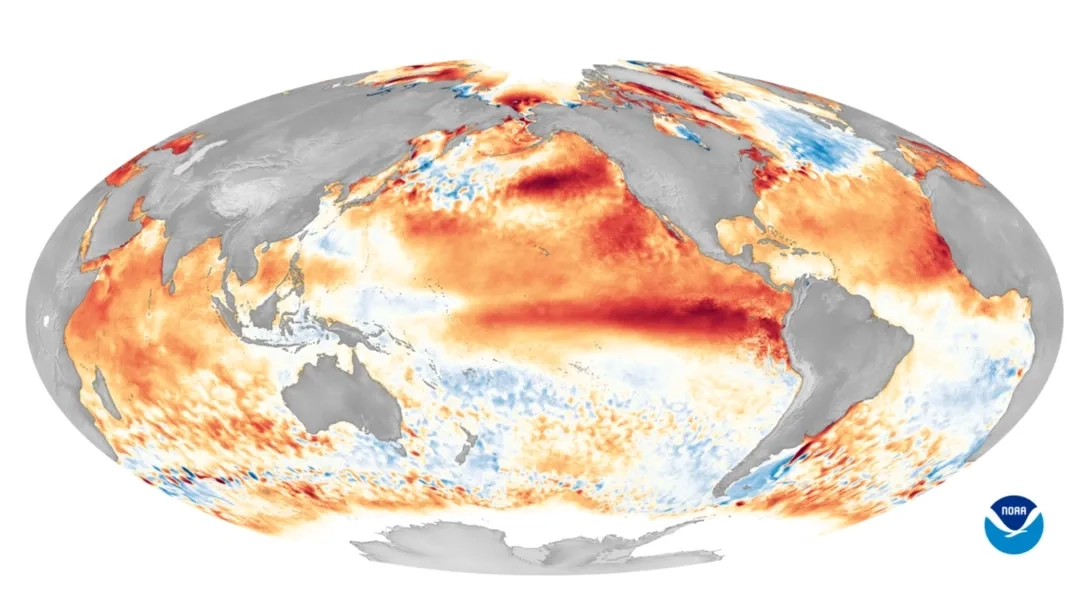
El Niño conditions started back in June and it has continued to strengthen ever since, shattering previous records in the process.
The BBC reported last month that, as of September 19, daily sea surface temperatures in a key region of the central-eastern Pacific were 3.05°C above average. The previous record was set in 2015 when temperatures hit 3.02°C above average.
Advert
The current weather pattern is expected to peak with a sea-surface temperature increase of 3.7 °C around December which will continue through to next year, the World Meterological Organization (WMO) predicts.
WMO Secretary-General Celeste Saulo said that there's a 'near-100 per cent likelihood that it will persist through February 2027' and that it might be 'one of the strongest since at least 1950'.
As well as increasing ocean temperatures, sea levels are expected to rise, Thomas Monahan, an ocean scientist at the University of Oxford, has warned.
Speaking to the Daily Mail, he said: "How will the upcoming Super El Niño affect coastal extremes around the world? The answer is substantially: along the coast from Mexico to Ecuador, the projected 2026–27 Super El Niño may temporarily raise sea level by an amount equivalent to four to five decades of projected sea-level rise – in a single season."
Sea levels in the Pacific, which Monahan says are likely to peak in November or December, have been directly impacted and have risen around 15 inches. With this in mind, Pacific coastlines are at risk.
Per Daily Mail, the Galápagos Islands are one of the most at risk areas and could see sea level rise anywhere between nine and 16 inches.
Elsewhere, parts of Peru and Ecuador could see sea levels climb by up to 13 inches above average.
Some coastline locations in California could be impacted too.
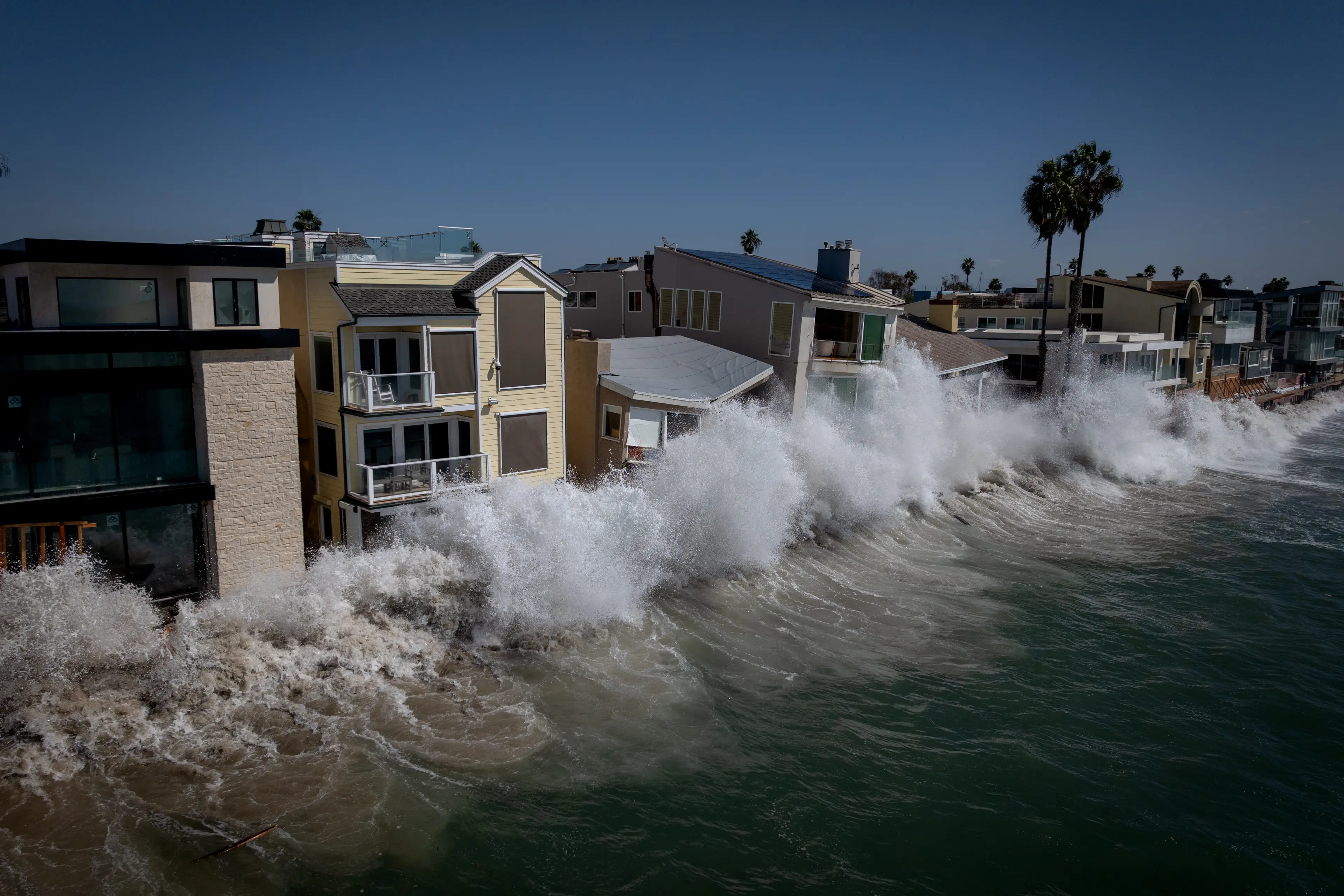
Monahan added: "At the most affected regions, a high-water level normally reached about once every 52 days could be exceeded during up to half of all high waters."
Experts have weighed in on how these dramatic sea level increases will impact the globe. Speaking to New Scientist, climate scientist Daniel Swain shared: "Frequent coastal inundation will likely develop in many areas and may become severe or record breaking, causing significant disruption and possibly also some significant damage."
In one of the WMO's latest updates issued on October 16, it said that the rising sea levels and warmer temperatures can have 'agricultural consequences' too. WMO’s Sebastian Grey explained: "Even warmer winters can have important agricultural consequences.
"For crops such as wheat, unusually high winter and spring temperatures can increase water demand, accelerate crop development and reduce grain yields if heat occurs during sensitive growth stages."
Topics: El Niño, Climate Change, Environment, World News, Science
 Niamh Shackleton