
Researchers reveal how to spot a liar using pupil dilation, blinking and eye tracking in results of new study

A study of 37 adults has found that people's eyes behave differently when they are hiding information from someone.
Researchers at Ulm University in Germany reported in PLOS One that participants trying to conceal information had more dilated pupils, blinked less often and stared for longer than when they were telling the truth.
According to the authors, lying places extra demands on the brain, which creates tell-tale changes in the way the eyes behave.
To test this, volunteers wore mobile eye-tracking glasses while playing a game with a so-called 'mentalist', who tried to work out a secret card each person had chosen.
Advert
The glasses continuously recorded pupil size, blinks and gaze patterns throughout.
Participants were instructed either to reveal their card honestly, conceal it, or try to trick the mentalist into believing they had selected a different one.
Simply recognizing a secretly chosen card triggered greater pupil dilation, but the strongest clues emerged when people actively tried to hide what they knew.
"Together, these findings suggest that gaze measures can effectively expose concealed information ... even in socially interactive settings," the researchers explained in their study.

What are the signs that someone is lying?
The team pointed to several measurable differences in how volunteers behaved while being deceptive.
Pupils grew larger when participants recognized and tried to conceal information, which the researchers say suggests increased mental effort.
Blink rates dropped among those hiding the truth, possibly because they were concentrating on controlling their reactions.
Liars also made fewer eye fixations overall, but each fixation lasted longer, which indicates greater cognitive strain.
The effects were particularly noticeable when participants looked directly at the person questioning them rather than at the cards themselves.
According to the authors, this suggests that deception is directed towards another person and is not merely an internal mental process.
Timing offered another clue. Volunteers telling the truth typically responded in just over a second, while deceptive answers often took around two seconds. Lying in response to verbal yes-or-no questions was harder to detect from eye movements alone, but liars still took significantly longer to answer.
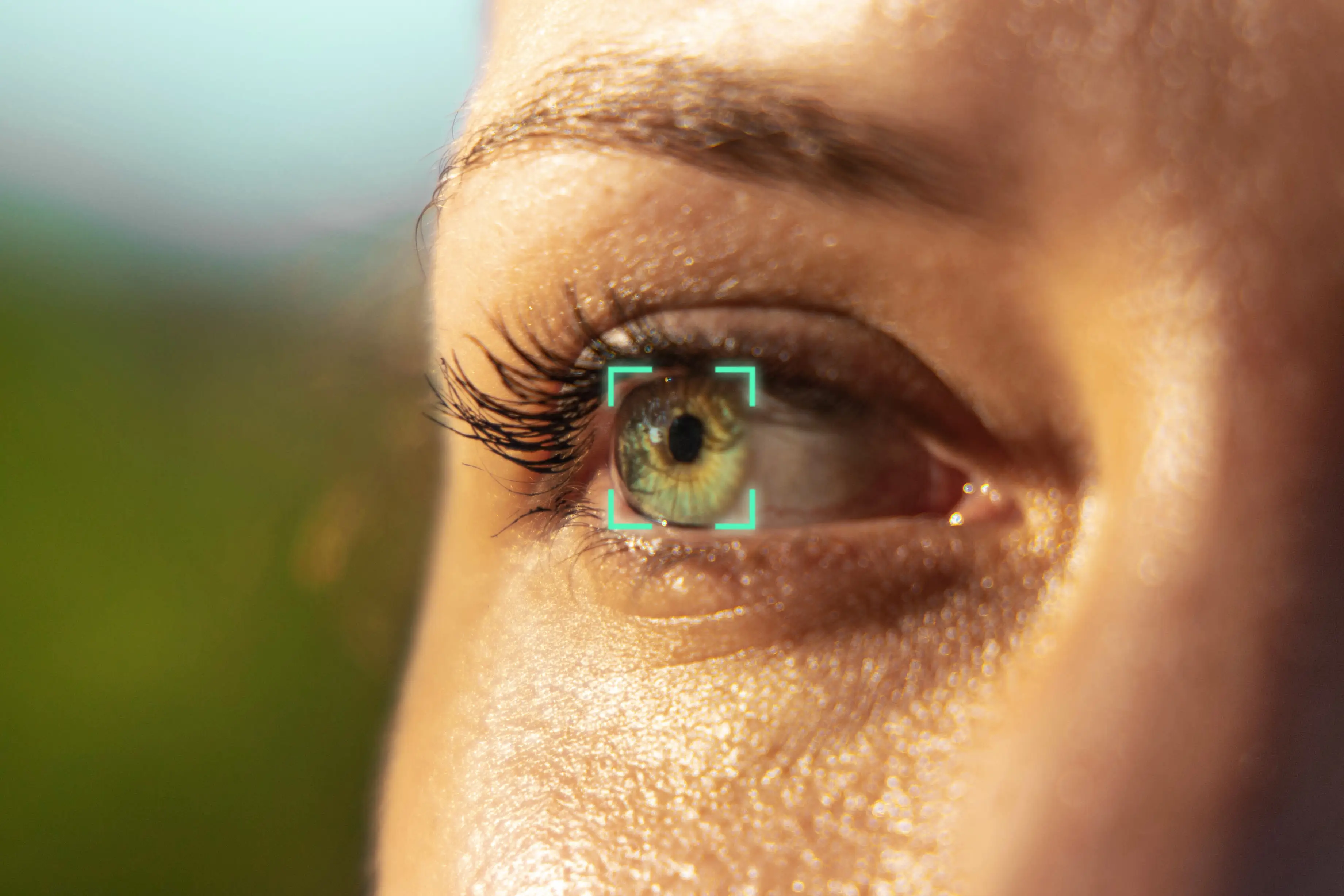
Could eye tracking be used as a lie detector?
The study took place in a low-stakes, laboratory-style environment, which the authors say means further research is needed before eye tracking can become a practical lie detector.
They add that the findings could eventually help improve methods for detecting concealed information in real-world situations.
Potential future applications include police interviews, security screening and other settings where investigators need to establish whether someone is withholding important information.
Topics: Psychology, Science
 Thomas Bamford-Sidwell