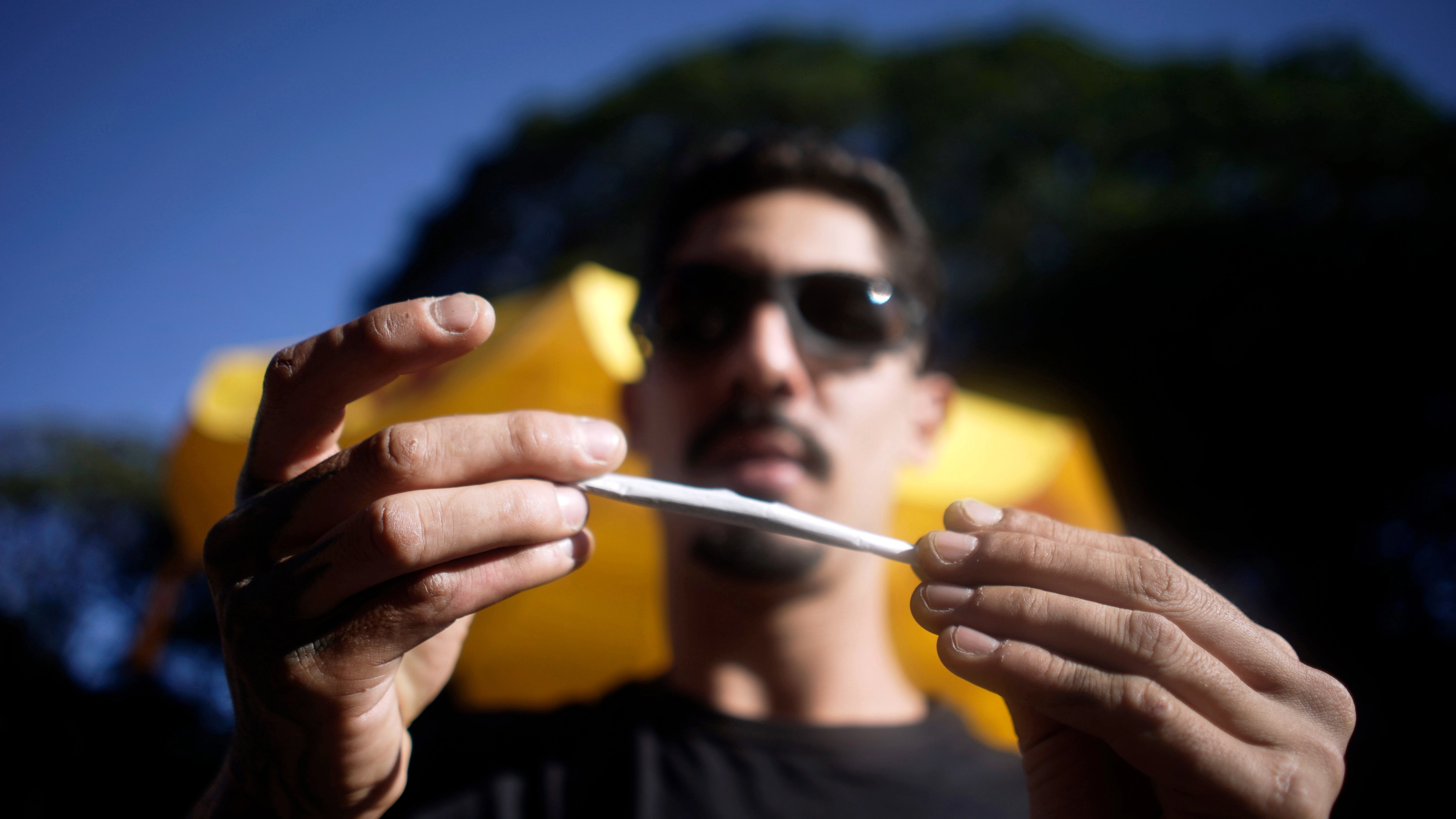
Scientists reveal how weed impacts the brain causing more 'stress hormones' in new study

The way cannabis effects the human brain has been revealed in a new study that scientists say could cause a ‘cycle’ of cannabis use.
Smoking weed has long been a topic of conversation for those who want to know more about just what impact it has on users in the short and long term.
Previously, studies have worked to find how it factors into mental health, and even psychosis.
However, with more research being conducted to see its positive effects too, it’s hard to know just how it works in the body.
Advert
But while many people claim they smoke dope to relieve stress, a new study has gotten into the truth of the matter.
Researchers from Oregon State University (OSU) discovered that those who use cannabis to de-stress have a long-term issue that others who don’t smoke weed don’t.
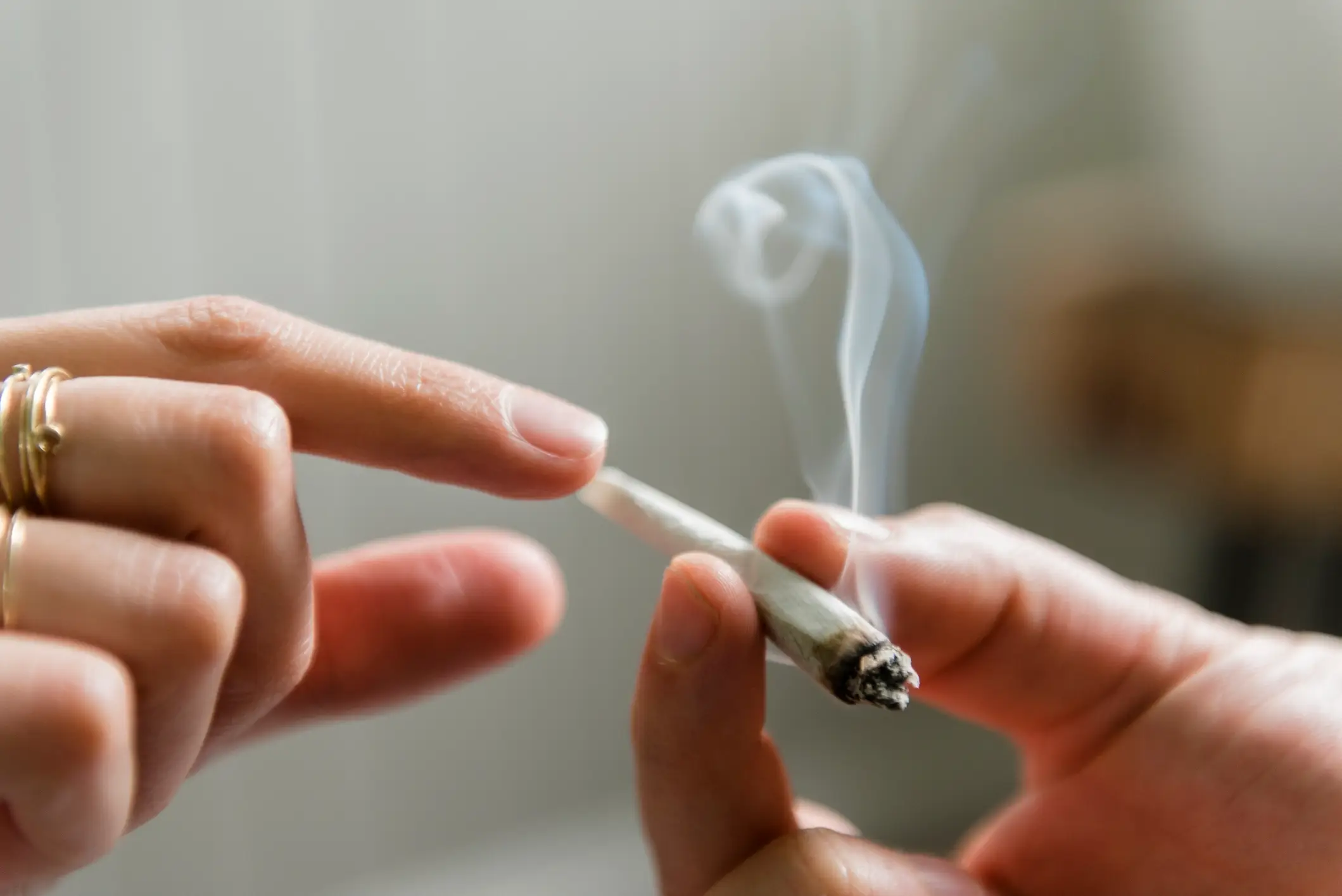
They published their findings in the journal Cannabis, which say there could be a potential ‘dysregulation' in the body’s stress hormone – cortisol.
The scientists looked specifically at the hypothalamic-pituitary-adrenal axis, which overlooks the body’s stress response.
Study leader Associate Professor Anita Cservenka, of OSU's College of Liberal Arts, said that while people who reported smoking cannabis had higher levels of cortisol, she can’t say for certain it’s a causation.
This comes after it was found at the time what 29 per cent of those aged 19 to 30 in the US had smoked it within the last 30 days, which is a figure that keeps growing.
She said: “We would need to study the same groups of people over a longer period of time to understand any cause and effect relationship, but we think this provides an important starting point."
She explained that their cannabis-cortisol study focused primarily on the CAR, or cannabis awakening response.

She said: “CAR is the cortisol rise that all people experience in the morning, peaking around 30 minutes after they wake up."
How you can find out your CAR is by measuring your cortisol right after waking up.
Then, you do it again some 30 minutes later, before then subtracting the first number from the second number.
What’s left is what tells scientists how your body can prepare itself for stress throughout the day.
While they said those who smoke weed had a higher ‘starting point’ number, the left over number sees similar results in both smokers and non-smokers of weed.
Prof Cservenka said: “Our research suggests cortisol levels upon awakening may serve as a neurobiological marker of problematic cannabis use, and that connection needs to be investigated further.
“Earlier studies by other researchers found CAR to be blunted in frequent cannabis users, but we didn’t replicate that finding, which suggests there is a lot of nuance that could be related to analytic strategies and sample characteristics.”
She added: "It’s reasonable to think that individuals who use cannabis often may have impairments in their daily stress rhythms – and that a dysregulated stress system could in turn lead individuals into a cycle of more cannabis use."
 Britt Jones