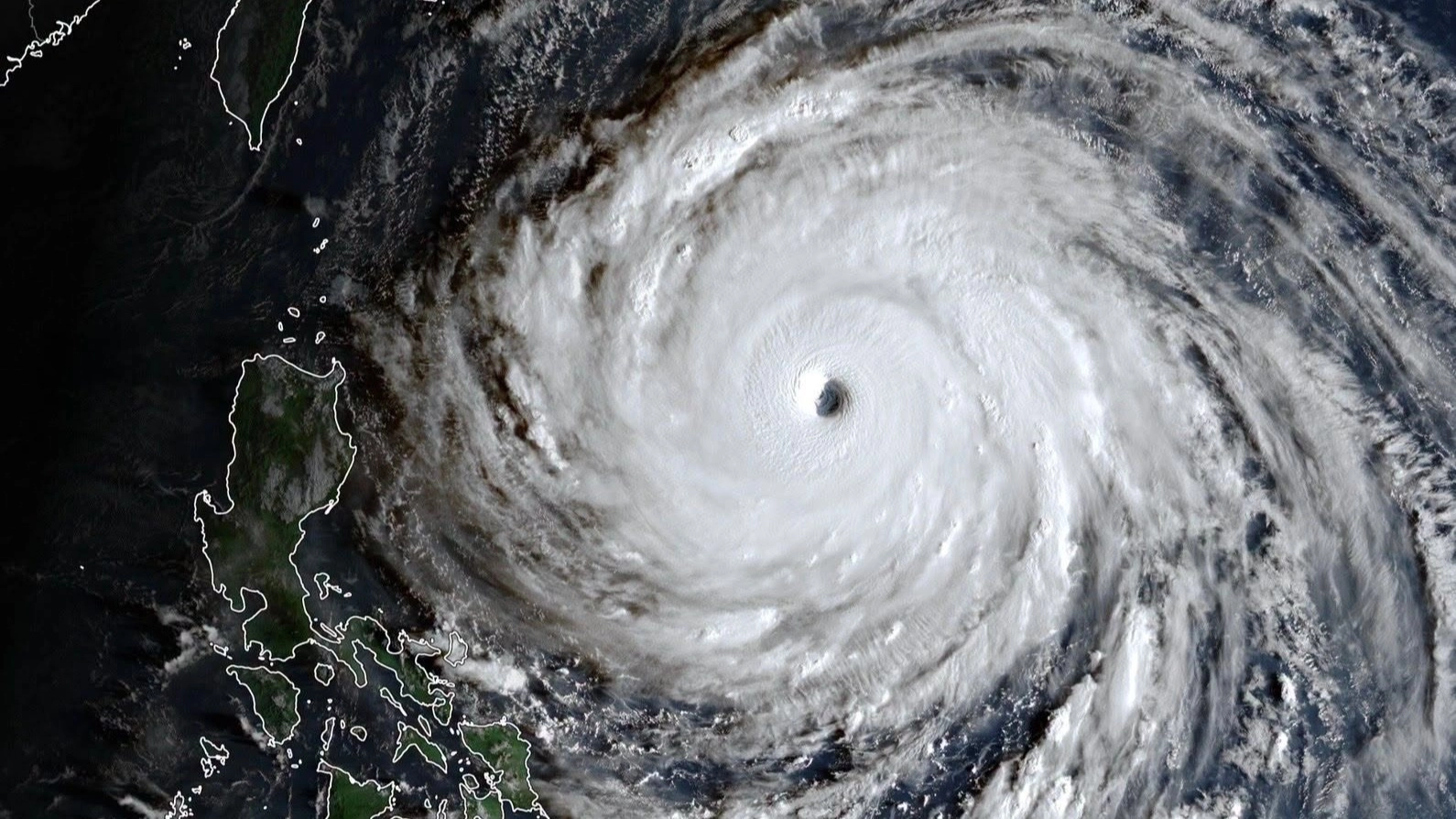
Difference between typhoon and hurricane as Super Typhoon Champi becomes strongest storm on Earth

While they come from the same family of tropical storms, typhoons and hurricanes have one main difference.
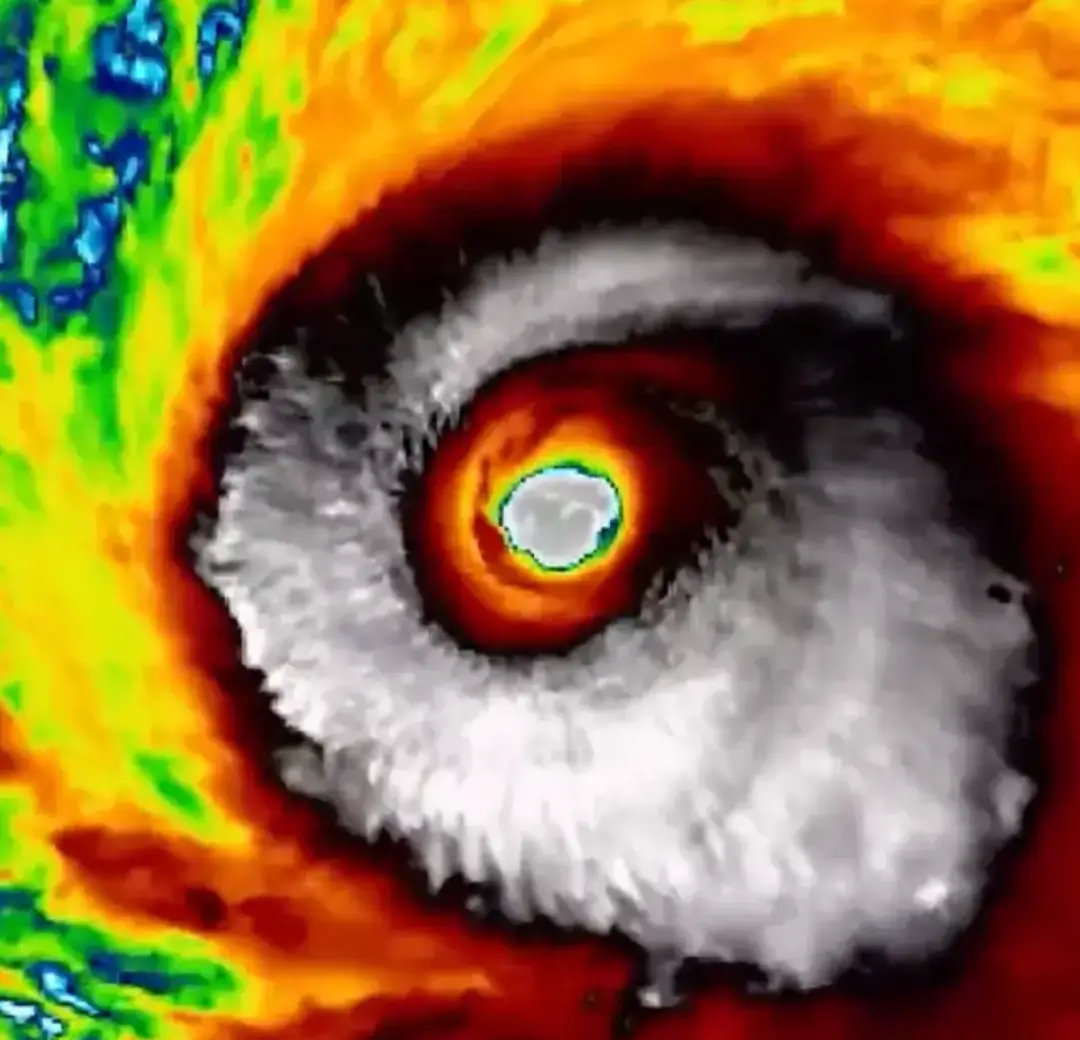
Queries of such have appeared online after Super Typhoon Champi became the world’s strongest tropical cyclone of 2026 when measured by wind speed, with peak winds of 184mph.
The storm is the equivalent of a Category 5, according to the Weather Network, with land and sea warnings in place as a result.
Due to its unique terrain, Taiwan is a particular area of concern, with Taiwanese President Lai Ching-te penning on Facebook: “The Central Weather Bureau has issued a typhoon alert for Champi, both at sea and on land. Friday and Saturday will be the closest moments of the storm circle to Taiwan, especially in the areas most affected, which will be more noticeable.
Advert
“Champi is the first storm circle to directly affect Taiwan since the beginning of this autumn. As the forecast path shifts westward, the storm circle's impact area may still expand. Everyone must remain vigilant and pay attention to the strong winds and heavy rains brought by the typhoon.”
What is the difference between a typhoon and a hurricane?
Whether it's called a hurricane or a typhoon, one thing that is consistent with both of them is that these storms are not strong enough to inflict severe damage.
The Red Cross explains: "Hurricanes and typhoons begin to lose their strength once they hit land. Without the warm waters of the ocean to fuel them, they eventually decrease in both speed and size until they dissipate. Unfortunately, this doesn't always happen quickly enough to prevent irreparable damage."
To put it simply, the only difference between a typhoon and a hurricane is location.
If the storm is above the North Atlantic, central North Pacific or eastern North Pacific oceans (Florida, Caribbean Islands, Texas and Hawaii), it's called a hurricane, the Red Cross states.
On the other hand, a typhoon hovers over the Northwest Pacific Ocean, typically in East Asia.
And if the storm is circling in any other region, it's known as a tropical cyclone.
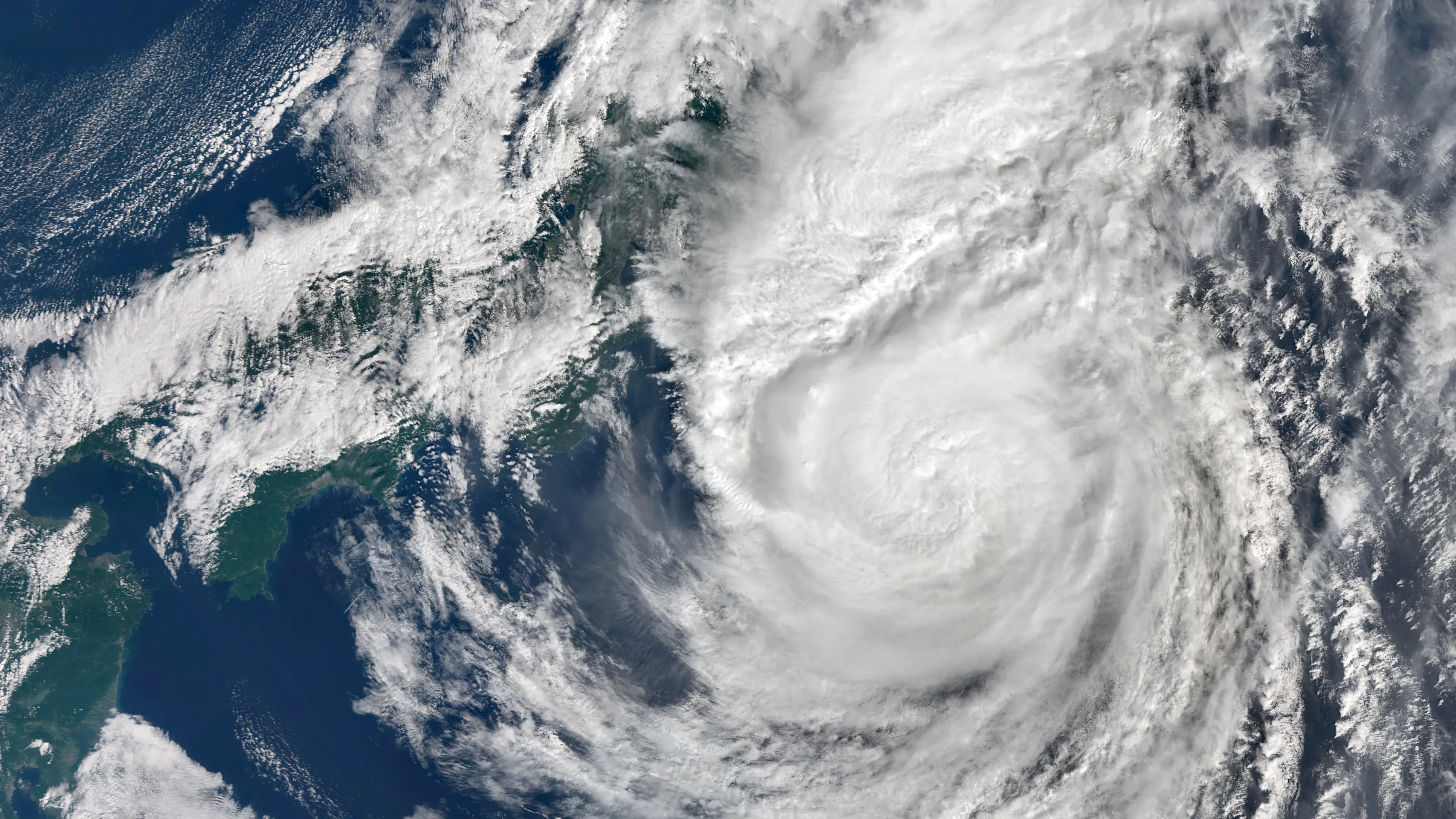
While Champi may be extremely powerful heading over Taiwan due to deep moisture, calm winds and low wind shear, the typhoon is expected to be downsized to a Category 4 or 3 storm in the coming days as its heads towards China and Japan.
Such countries have a more unfavorable environment, leading to the typhoon being downgraded in power.
Topics: Climate Change, Weather, World News
 Callum Jones