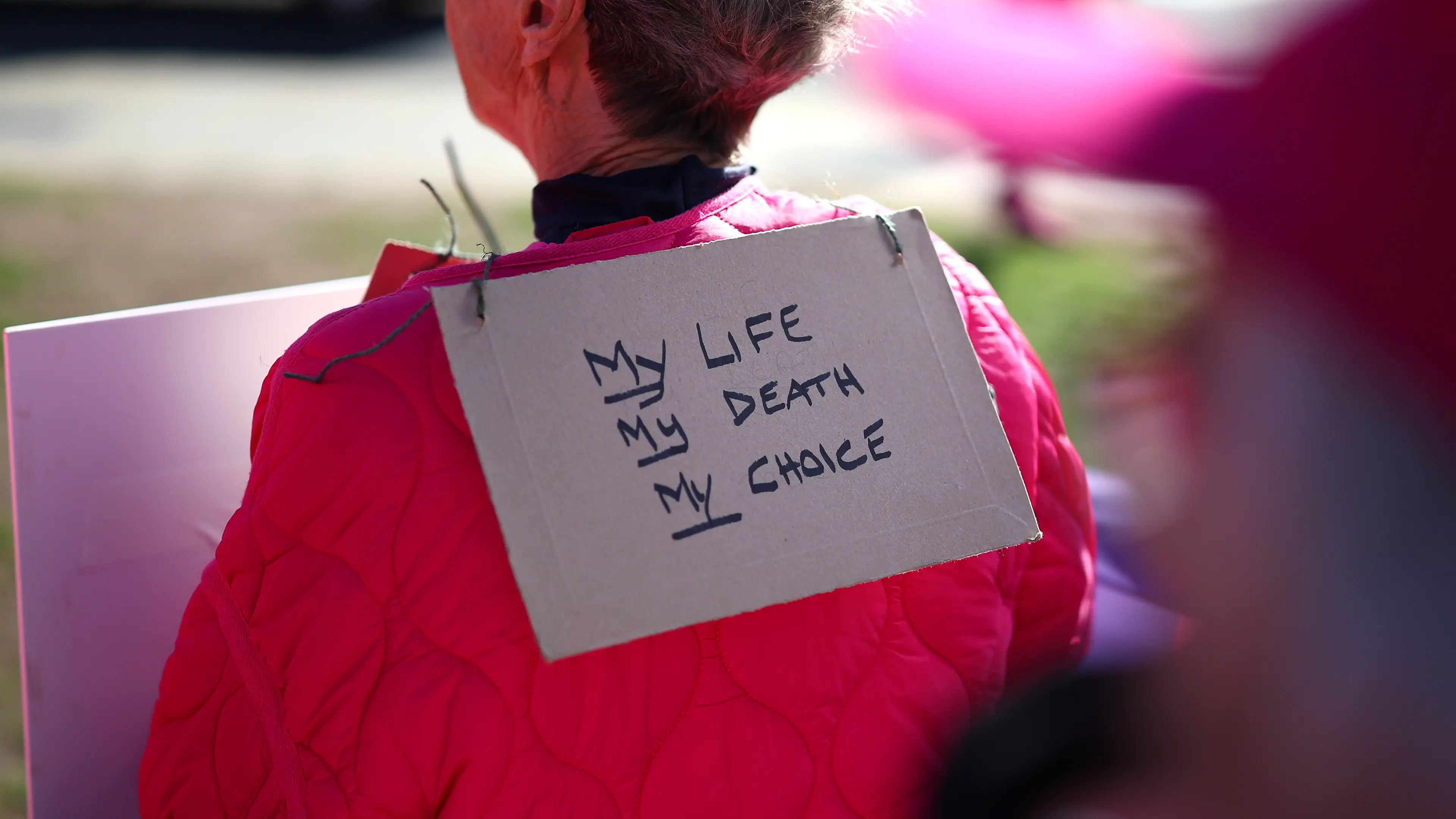
Every country where assisted dying is legal as Netherlands euthanizes boy, 12, after changing law

A child with a terminal illness in the Netherlands was euthanised after the law changed two years ago, sparking a debate about the practice as more countries change their laws.
The practice is where a terminally ill person can end their own life with the support of medics so that they can avoid the more painful aspects of their health condition and die with more dignity.
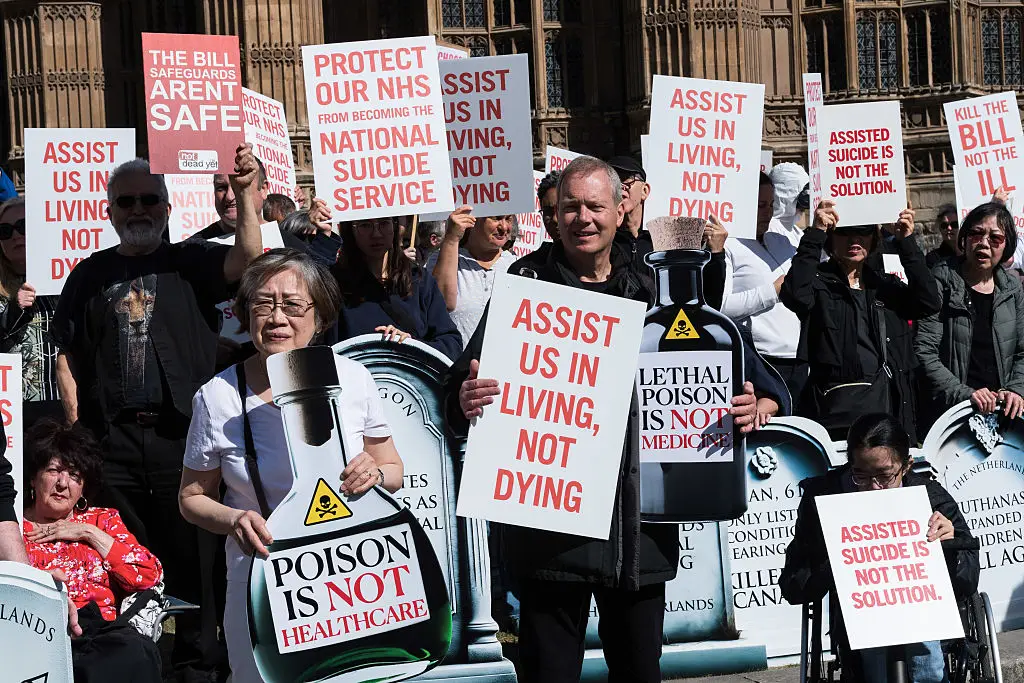
Critics of assisted have argued that permitting it could result in discrimination towards disabled people by opening up potentially discriminatory discussions about what constitutes an 'acceptable' quality of life, as well as concern about people putting pressure on elderly or terminally ill relatives to end their lives when they don't want to.
Assisted dying remains an extremely controversial topic, and several countries around the world now allow it in varying degrees.
Advert
The Dutch case has brought renewed attention to the topic, with the Dutch government explaining the conditions where it can be carried out.

"Termination of life is only allowed if a child is terminally ill and is suffering unbearably with no prospect of improvement," the Dutch government said.
"This means the child is in constant, severe pain. And that there is no cure, and no reasonable alternative to relieve the child’s suffering, even through palliative care.
"In this situation, the doctor may decide, together with the parents, to terminate the child’s life. This decision is always made in consultation with the parents and, if possible, also with the child."
Despite criticism and widespread opposition, the Netherlands is far from the only country to have legalized it under certain circumstances.
Here are the countries which do permit it, and how they differ:
Australia
Under the Voluntary Assisted Dying Act, all states in Australia now allow the practice if a patient has an illness which is progressive, and they are expected to die within six months, or 12 months if they have a a neurodegenerative condition.
Austria
In 2022 Austria legalized assisted dying in adults who have a permanent, debilitating condition, or who are terminally ill.
Belgium
Belgium allowed the practice back in 2002, making it one of the first countries to legalize assisted dying, allowing Belgian adults who have suffering which can't be stopped.
Canada
In Canada the law applies to people who have an incurable disease, illness, or disability, as well as people having a an irreversible decline in their ability to function.
Colombia
Colombia changed its law back in 2022, and allows euthanasia if someone has a severe and incurable condition, or a terminal illness.
Cuba
In Cuba people are eligible for euthanasia if they have an irreversible disease which is degenerative and chronic, with this being allowed in 2023.
Ecuador
In 2024 Ecuador's Constitutional Court voted that a doctor is permitted to help a patient die if the patient has a serious or incurable illness.
Germany
In 2019 Germany's Consitutional Court passed a ruling which said that there is a right to a death which is self-determined.
Italy
Italy took a different approach, with a government ruling in 2019 determining that it is not a crime to assist a suicide if the purpose of it was to help someone experience intolerable suffering.
Luxembourg
Back in 2008 Luxembourg determined that a patient suffering from illness in a way that's unbearable has the right to request medical assistance with their death.
The Netherlands
Another country to change the law early on, the Netherlands allowed assisted dying in 2001 for adults who are legally able to consent, while now under 16s can also request parental consent if they are dying or have an incurable disease.
New Zealand
In 2020 New Zealand passed the End of Life Choice Act, which came into force after the public voted on it in a referendum.
It allows assisted dying for residents in New Zealand who are over 18, have a terminal illness in irreversible decline, are likely to die within six months, and can consent.
Portugal
Portugal has allowed euthanasia for people who are suffering and terminally ill since 2023.
Spain
Spain passed a law allowing assisted dying in 2021.
Switzerland
Switzerland is the first country in the world to allow assisted dying, with the practice being legalized there decades before anywhere else in 1942.
Not only that, but people who are not Swiss can also travel to Switzerland for assisted dying, leading to people going there specifically for this purpose.
USA (not all states)
Ten US states have legalized assisted dying, these being Oregon, Washington State, Montana, Vermont, California, Colorado, Washington DC, New Jersey, Hawaii, Maine, and New Mexico.
Oregan was the first, with adults who are mentally competent and terminally ill allowed assisted dying, with other states taking a similar approach.
Topics: World News, Health, Mental Health
 Kit Roberts