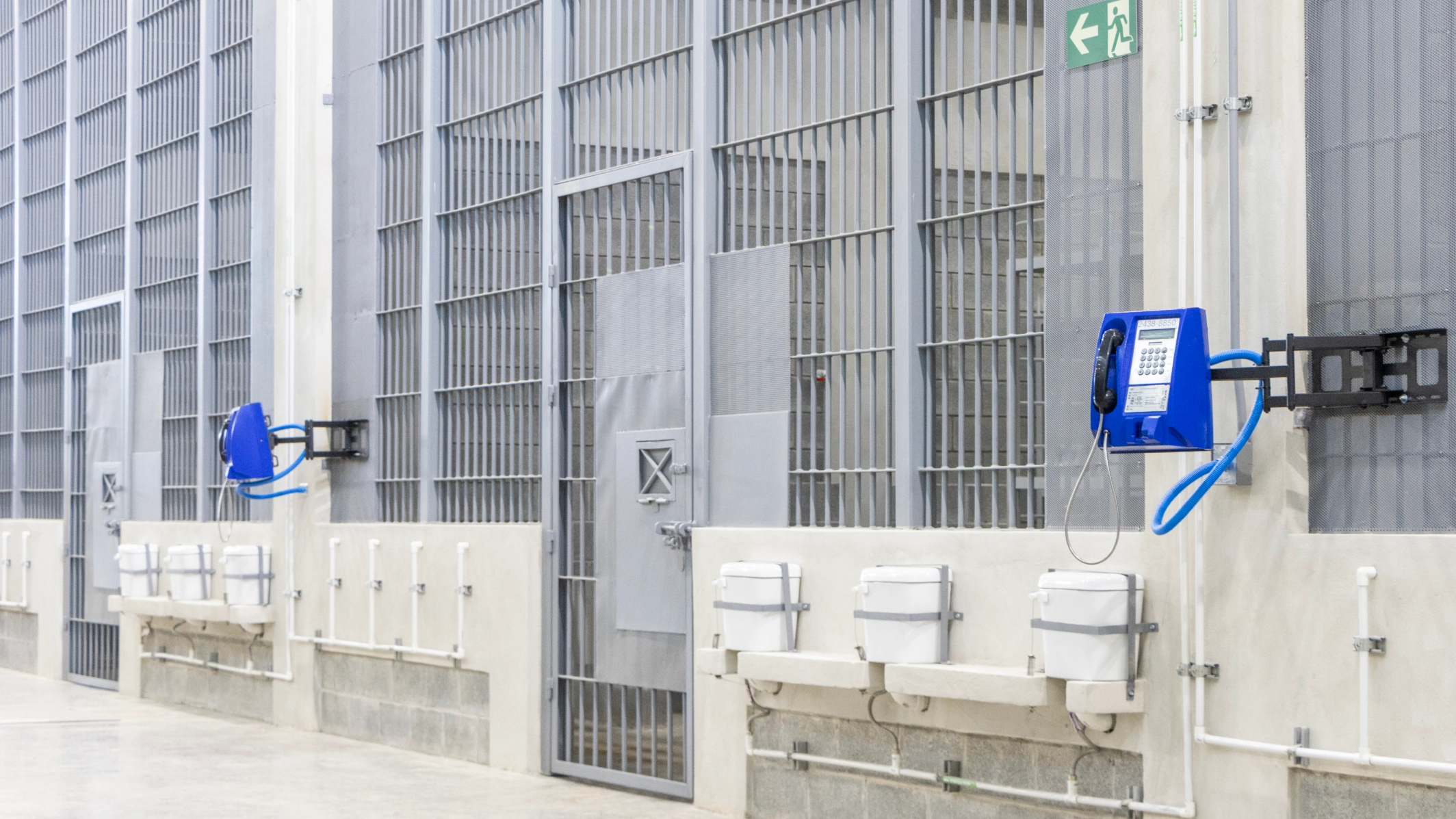
Inside new $35 million mega-prison inspired by most dangerous jail in the world

A new mega-prison inspired by El Salvador's much discussed 'most dangerous jail' has opened in Costa Rica.
The Centre for High Containment of Organised Crime (CACCO) has been touted as a symbol of President Laura Fernández’s commitment to a new ‘tough on crime’ policy in the Central American country.
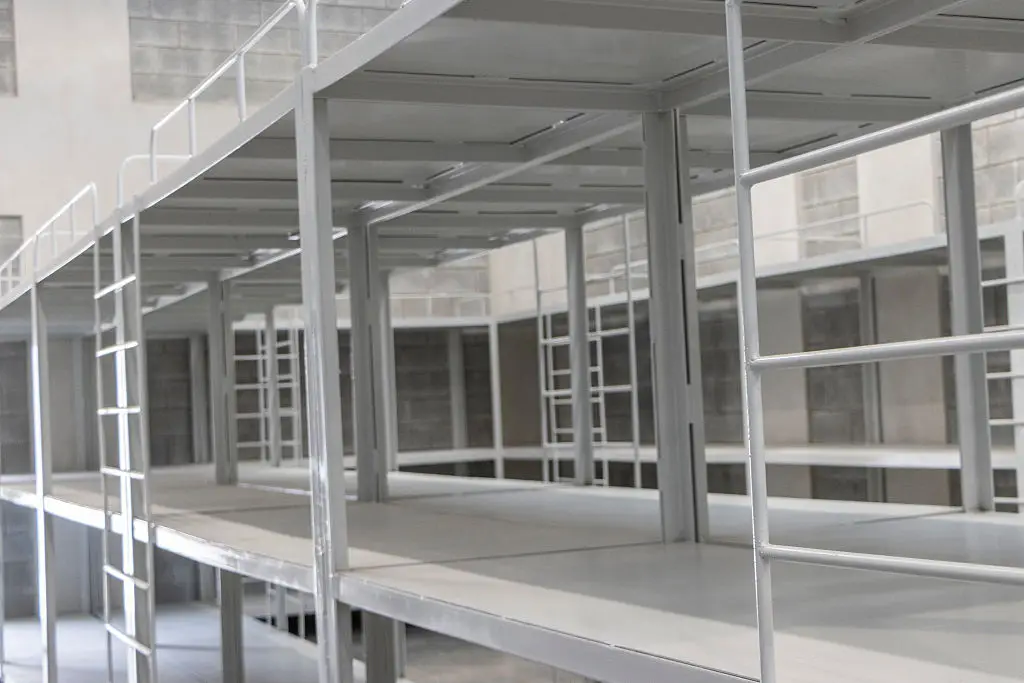
The $35 million new building has 5,100-beds and took nine-months to build.
It recently welcomed its first 123 inmates, with the prison being used to help ease overcrowding in existing prisons across Costa Rica.
Advert
Justice Minister Gabriel Aguilar said: “Costa Rica is writing a new chapter in its penitentiary history.
“CACCO is a monument to national security, a forceful response to organised crime, and a guarantee that the state will exercise its authority without hesitation.”
Fernández put some of Costa Rica's most dangerous criminals on notice during the opening of the prison, as he warned they could be transferred to CACCO.
While Costa Rica is largely regarded as one of the safest Latin American countries, it has seen a sharp rise in criminal activity linked to drug trafficking and organized crime in recent years.
The country had a record number of homicides in 2023, though officials in Costa Rica say such have been stablished in recent times.
Roughly 70 percent of those deaths can be attributed to rival criminal groups fighting over drug markets, according to the Judicial Investigation Agency.
Costa Rica's newest prison is modelled on El Salvador's Centro de Confinamiento del Terrorismo (CECOT), which has been dubbed ‘the worst prison on Earth’.
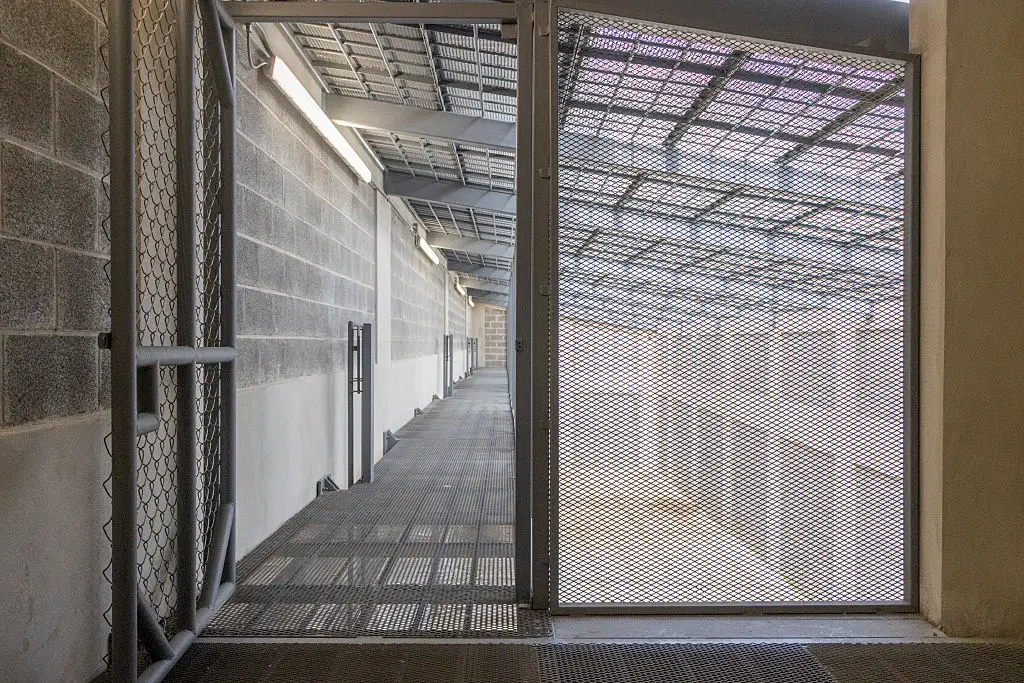
The mega-jail spans 410 acres and can house up to 40,000 inmates, making it one of the largest in the world by prisoner capacity.
However, conditions in the prison have long been discussed, with AFP previously reporting that inmates must stay with 65 to 70 others in their cells for up to 23-and-a-half hours a day.
The prison featured in a Channel 5 documentary in the UK earlier this year, with host Richard Madeley visiting the infamous jail.
Belarmino García, the prison's director, discussed the living conditions for inmates, which include the lights being kept on 24/7.
"It's simply part of the protocol," García said told the documentary programme.
"I need to be able to see what they're doing."
The documentary revealed there is even an 'electronic bubble' surrounding the prison, meaning any electronic device smuggled into the jail would not work.
Topics: Crime, World News
 Callum Jones