Official time clocks in US go back as Daylight Saving Time comes to an end

For those of you who still use analog clocks, you'd best prepare to change all of them in the coming days.
Digital devices like cellphones and computers change automatically for us when Daylight Saving Time (DST) ends – thankfully – but traditional clocks need changing manually.
For those of you who are annoyed about having to change the handful of clocks at home, spare a thought for the staff at Buckingham Palace who have to change roughly 350 of them...
DST was first introduced in the US in 1918 as a wartime measure to save energy. It proved unpopular with American citizens though and it was thrown out once WW1 ended.
Advert
It was reinstated in WW2 however and remained in effect all year round between 1942 to 1945.
DST went on to be made into a schedule instead of being for all 12 months of the year, and the current cycle was stablished by the Energy Policy Act of 2005.
This piece of legislation decided that DST would end on the first Sunday of November each year.
With this in mind, the end of this year's DST will be Sunday, November 1. Clocks will go back an hour at 2am.
Where in the US doesn't observe DST
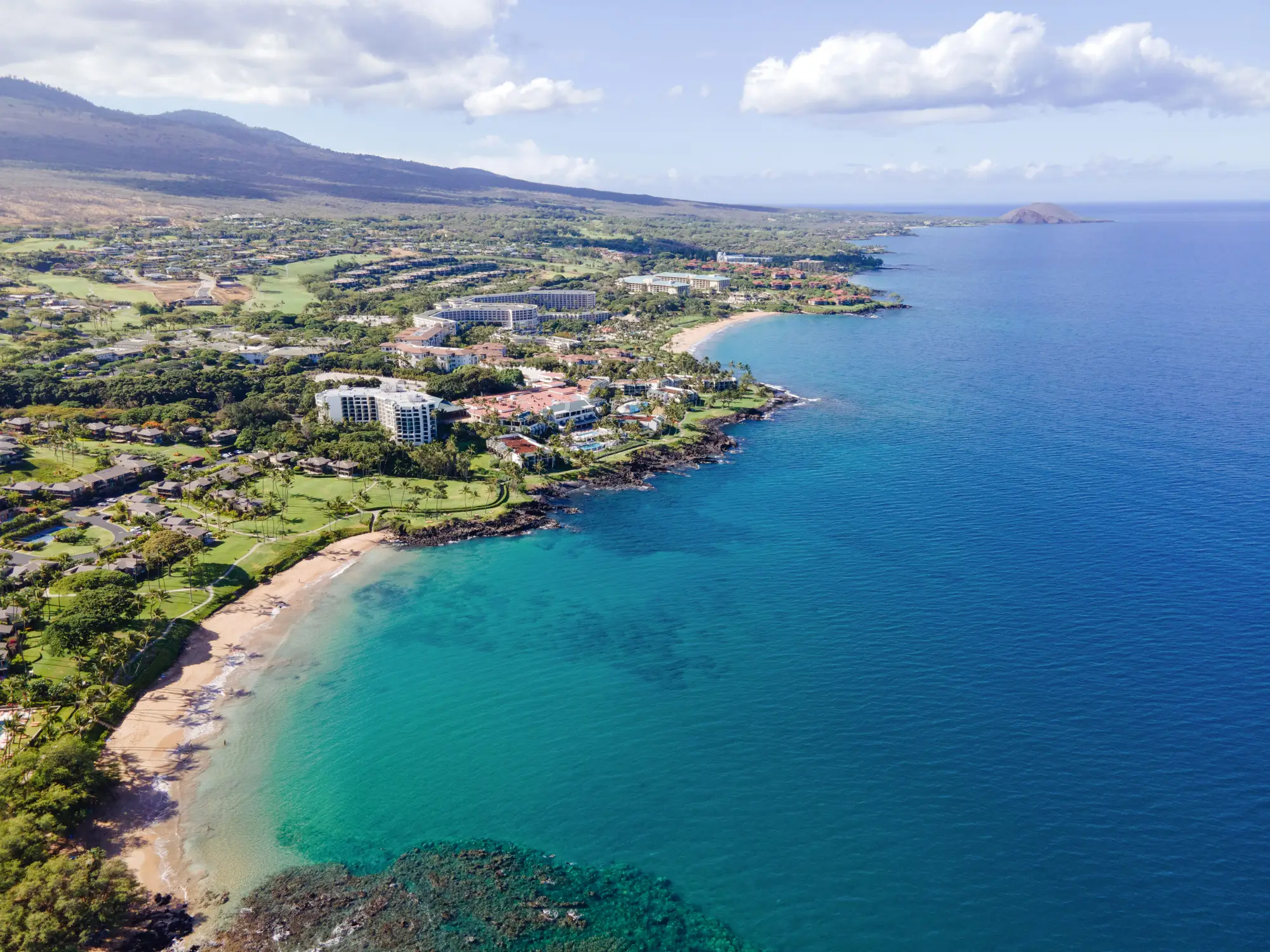
There are only two exceptions to DST in the States, those being Hawaii and Arizona. Instead they follow standard time all year round.
As to why Hawaii doesn't have it, it's because the popular vacation destination has minimal variation in daylight throughout the year due to it being close to the equator, therefore DST isn't needed, Maximum Weather Instruments explains on its website.
When it comes to Arizona, the state opted out of DST in 1968. This decision was made because of its hot climate and mean longer days would result in increased energy consumption for air conditioning.
There is a small part of Arizona that observes DST though, that being the Navajo Nation (the largest Native American reservation the largest Native American reservation in the US) which spans across parts of Arizona, New Mexico, and Utah.
As of 2010, the reserve was reportedly home to over 173,000 Navajo tribal members.
The debate about DST
Back in July, the House of Representatives voted to axe the DST as we know it and and observe it all year round, BBC News reported at the time.
The vote meant that the House passed the Sunshine Protection Act. It's now with the Senate, but yet to passed into law.
If it is, then this year's clock change could be the last one American's have to do. It will also mean darker mornings across the US, but lighter evenings.
 Niamh Shackleton