Trump set to end 234-year US penny tradition as new bill awaits his signature

The US is set to end a 234 year old tradition that will reshape how people spend money.
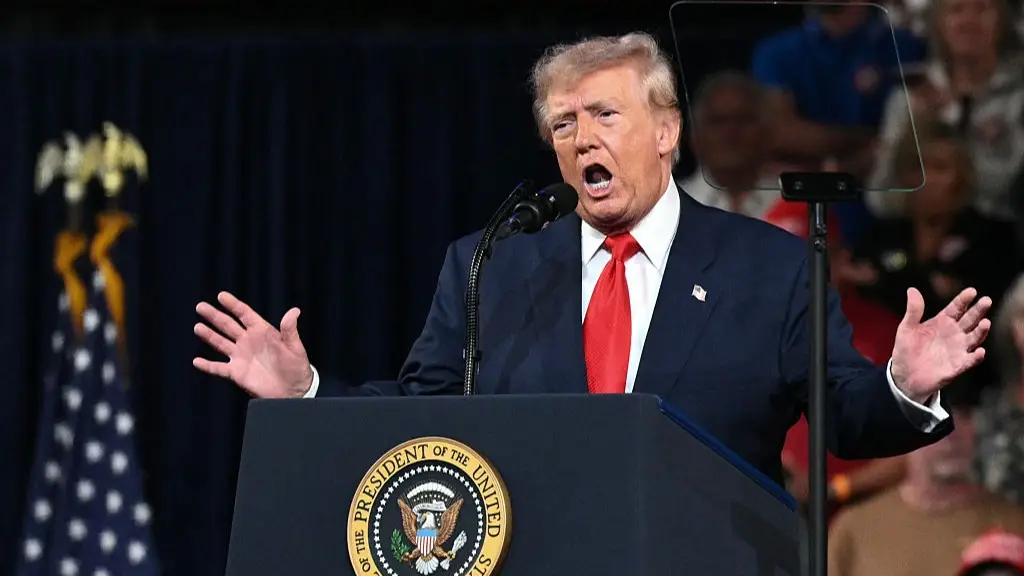
Donald Trump is about to sign the Common Cents Act into law after it passed unanimously in the Senate this week, which will end the creation of pennies.
It's been a long time coming, after Donald Trump ordered the U.S mint to stop making pennies last May in a bid to slash government costs.
One of the main reasons for this is that the pennies cost more to make than they are worth, as one penny costs 3.7 cents to produce.
Advert
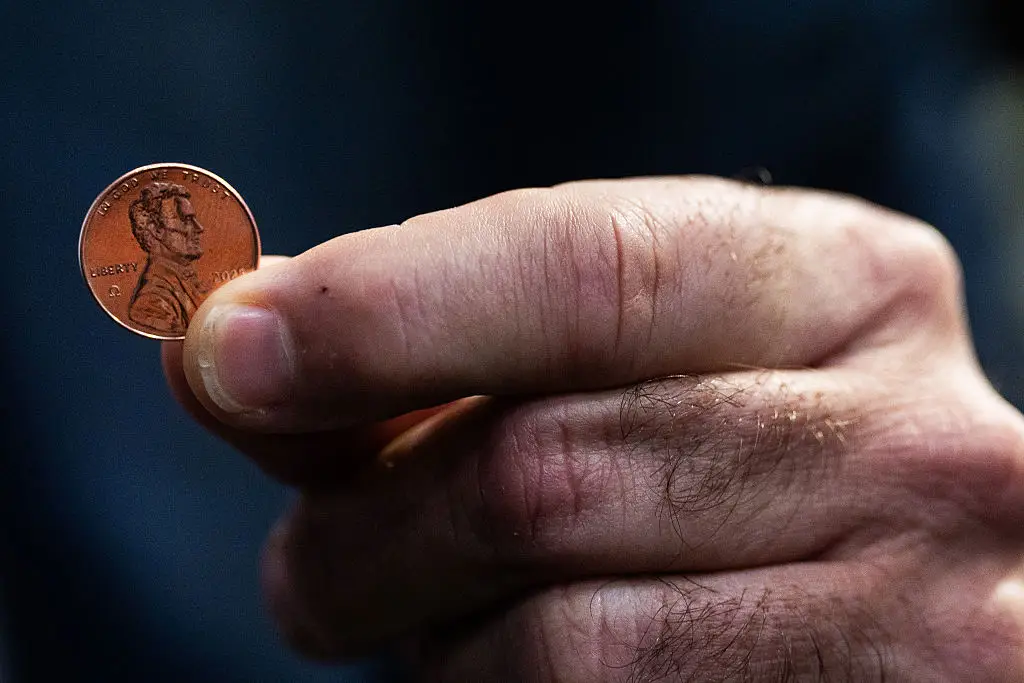
Last year, Trump posted to Truth Social: “For far too long, the United States has minted pennies, which literally cost us more than 2 cents.
“This is so wasteful! I have instructed my Secretary of the U.S. Treasury to stop producing new pennies.
“Let’s rip the waste out of our great nation’s budget, even if it’s a penny at a time.”
The pennies that are still in circulation can still be spent as legal tender, but this is not without its issues.
It has been estimated that there are 300 billion pennies in circulation.
Retailers may now have to implement rounding policies, which some customers have criticised.
Nineteen states have passed cash-rounding laws following the phase-out of the U.S. penny, using symmetrical rounding rules that round totals down when ending in 1, 2, 6, or 7 cents (and up when ending in 3, 4, 8, or 9 cents). Because of this, nickels have now shot up in value.
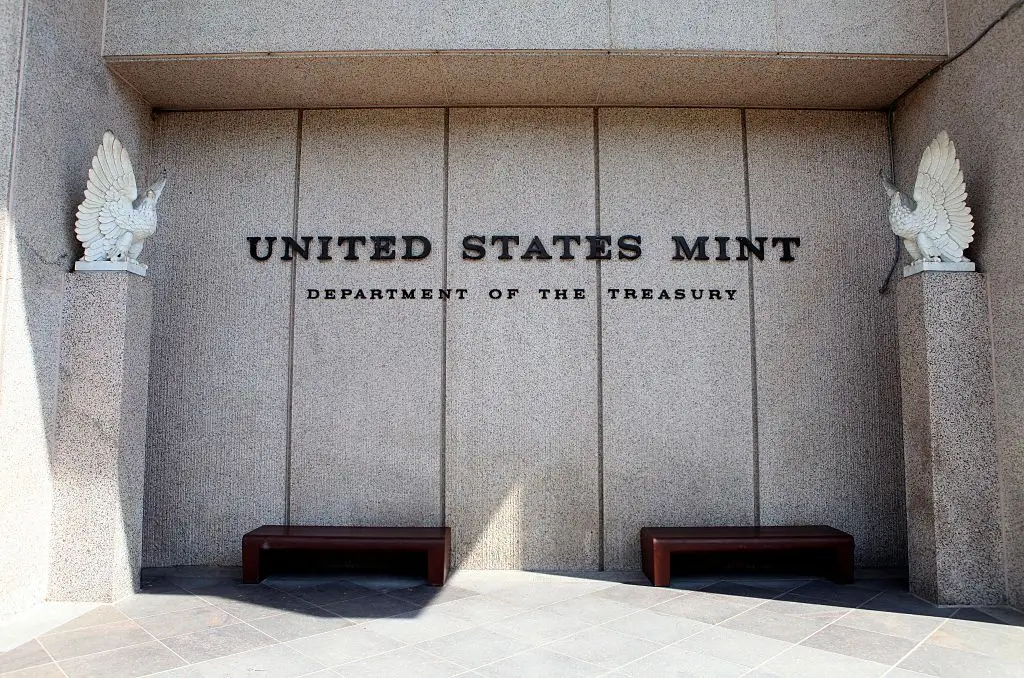
Speaking last November, Kristie McNally, the acting Mint Director celebrated 232 years of penny manufacturing.
She continued: "While general production concludes today, the penny's legacy lives on. As its usage in commerce continues to evolve, its significance in America's story will endure."
The U.S. penny traces its origins back to the Coinage Act of 1792, the legislation that established the nation's first Mint and laid the foundation for America's monetary system.
As a result, the one-cent coin has become one of the longest-standing forms of U.S. currency.
In addition to creating the Mint in Philadelphia, the law formally introduced the U.S. dollar and set out the framework for the country's official currency system.
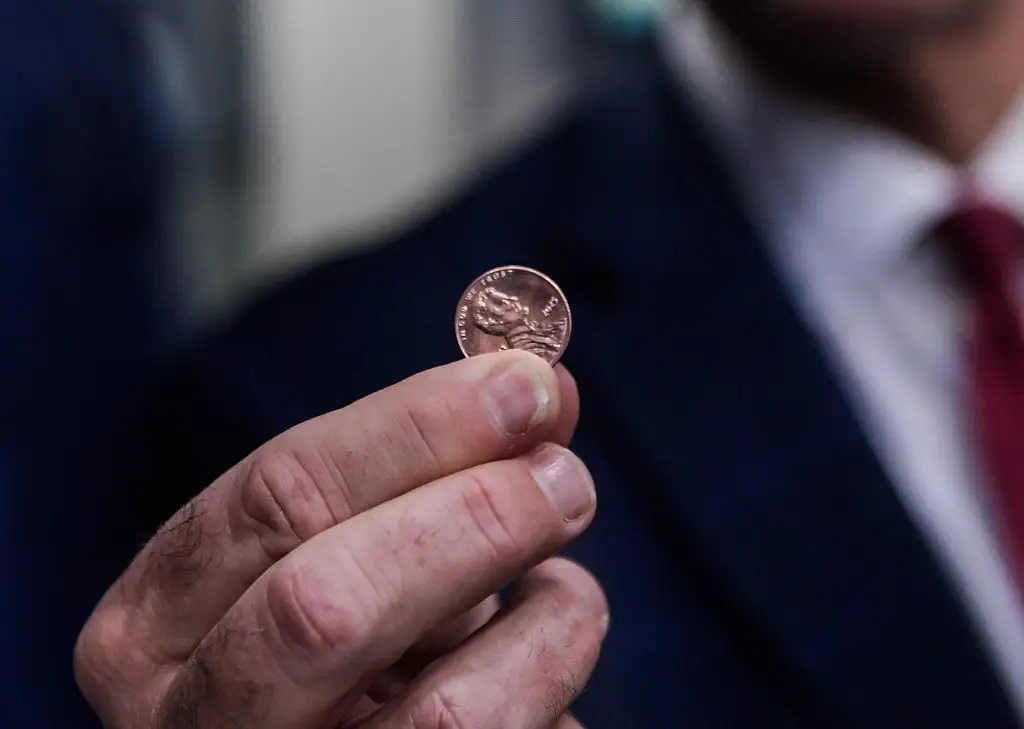
For more than two centuries, the penny has been a familiar part of everyday transactions and American economic life.
However, the U.S. Mint says changing consumer habits, along with economic pressures and manufacturing costs, have contributed to the decision to end the coin's production.
Topics: Donald Trump, Money, US News
 Thomas Bamford