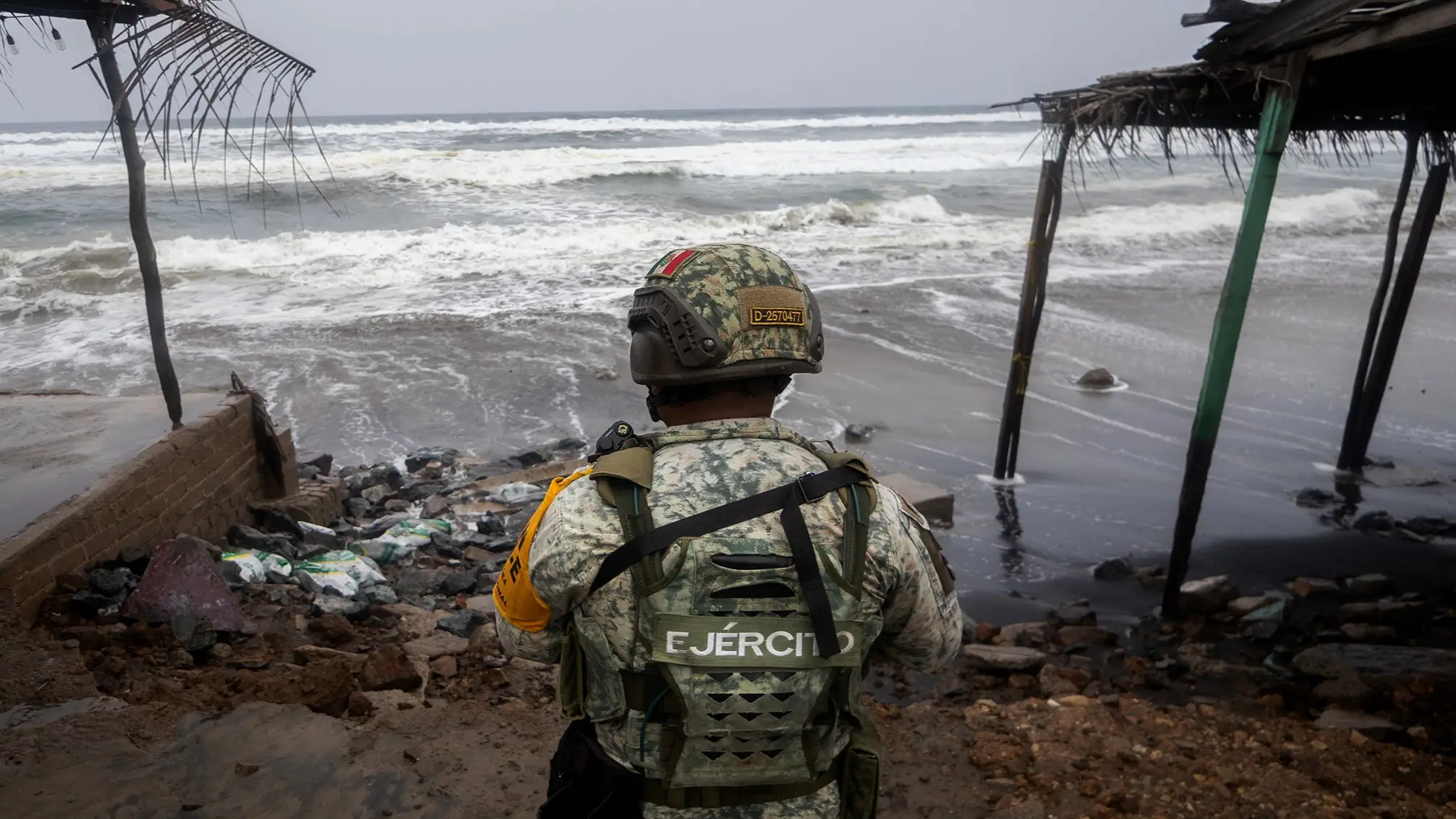
Tourists urged to evacuate as 150mph Hurricane Polo barrels toward popular resort hotspot

American travelers in Mexico are bracing for severe disruption this weekend as a powerful hurricane barrels toward the Baja California peninsula, prompting embassy officials to issue urgent safety warnings.
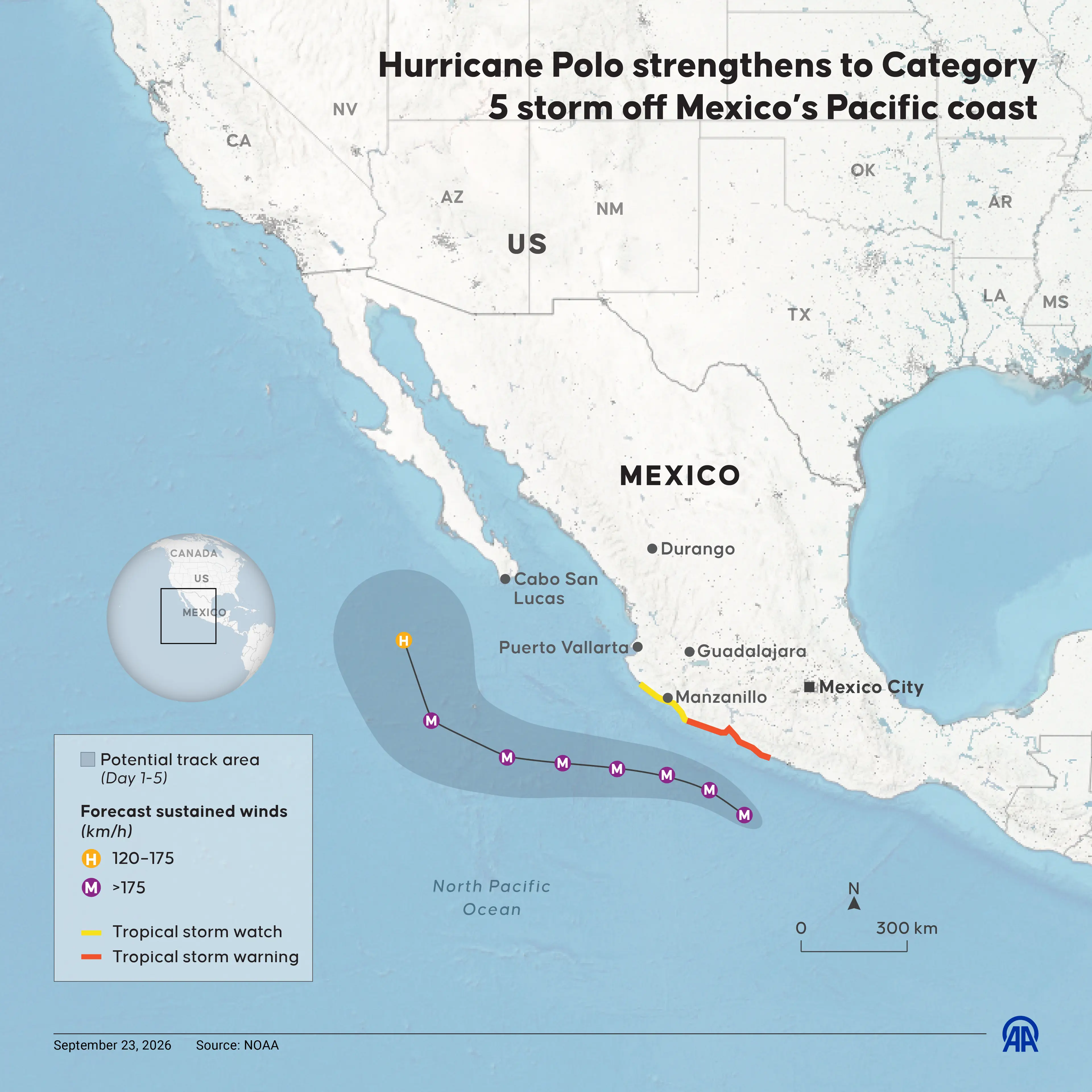
Hurricane Polo is currently churning as a ferocious Category 5 storm, packing sustained winds of up to 150 mph.
While forecasters project the system will lose intensity as it advances northward over cooler waters, it is expected to track dangerously close to the resort city of Cabo San Lucas by Saturday or Sunday, bringing tropical-storm-force winds, torrential downpours, and perilous ocean swells.
In response to the looming threat, the U.S. Embassy in Mexico issued a comprehensive travel advisory urging citizens in the region to monitor local news, comply with official directives, and reconsider coastal activities.
Advert
“Even if the storm does not make direct landfall, heavy rain may produce life-threatening flooding and mudslides,” the U.S. Embassy warned in a public statement.
"Hazardous ocean conditions—intensified by storms—may result in deadly rip currents and rogue waves. Avoid entering the water or walking on beaches during dangerous conditions, heed warnings from local authorities, and monitor official weather updates closely.”
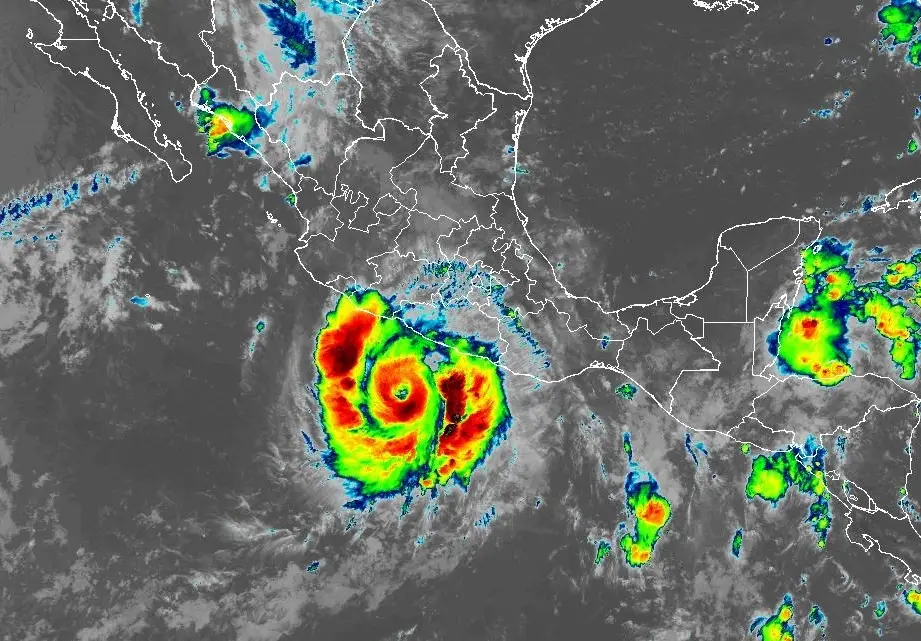
Officials added that regional road travel, seaport operations, and commercial flight schedules out of Los Cabos International Airport are expected to face substantial disruptions or cancellations as the system nears the coast.
Cabo San Lucas remains one of the top international vacation destinations for Americans, welcoming nearly two million U.S. visitors last year, according to figures from the Los Cabos Tourism Observatory.
While September historically represents the quietest month on average for American tourism arrivals between 2023 and 2025, tens of thousands of travelers and expatriates currently remain in the path of the storm.
The impacts of Hurricane Polo will also extend well beyond the Mexican coastline, reaching northward into Southern California over the weekend.
While the center of the cyclone will remain far offshore from the United States, meteorologists warn that long-period swells generated by the storm will bring hazardous surf, severe rip currents, and unseasonable tropical humidity to coastal counties.
The threat comes at an especially vulnerable moment for California’s coastline.
Just weeks ago, Hurricane Marie battered Southern California beaches with significant coastal flooding and damaging high tides, leaving several iconic Orange County shorelines in need of emergency sand re-fortification.
Compounding the risk, California Governor Gavin Newsom declared a statewide state of emergency on Monday ahead of what meteorologists predict could develop into the strongest El Niño season on record, clearing the way for emergency agencies to stage response resources and secure infrastructure before major winter storm patterns take hold.
 Phoebe Tonks