'Miracle on the Hudson' hero Capt. Sully details first signs of Alzheimer's he noticed before diagnosis

Seventeen years after successfully executing the "Miracle on the Hudson" and saving 155 lives, Capt. Chesley "Sully" Sullenberger III is approaching an Alzheimer’s diagnosis with the exact same focus and discipline that defined his aviation career.
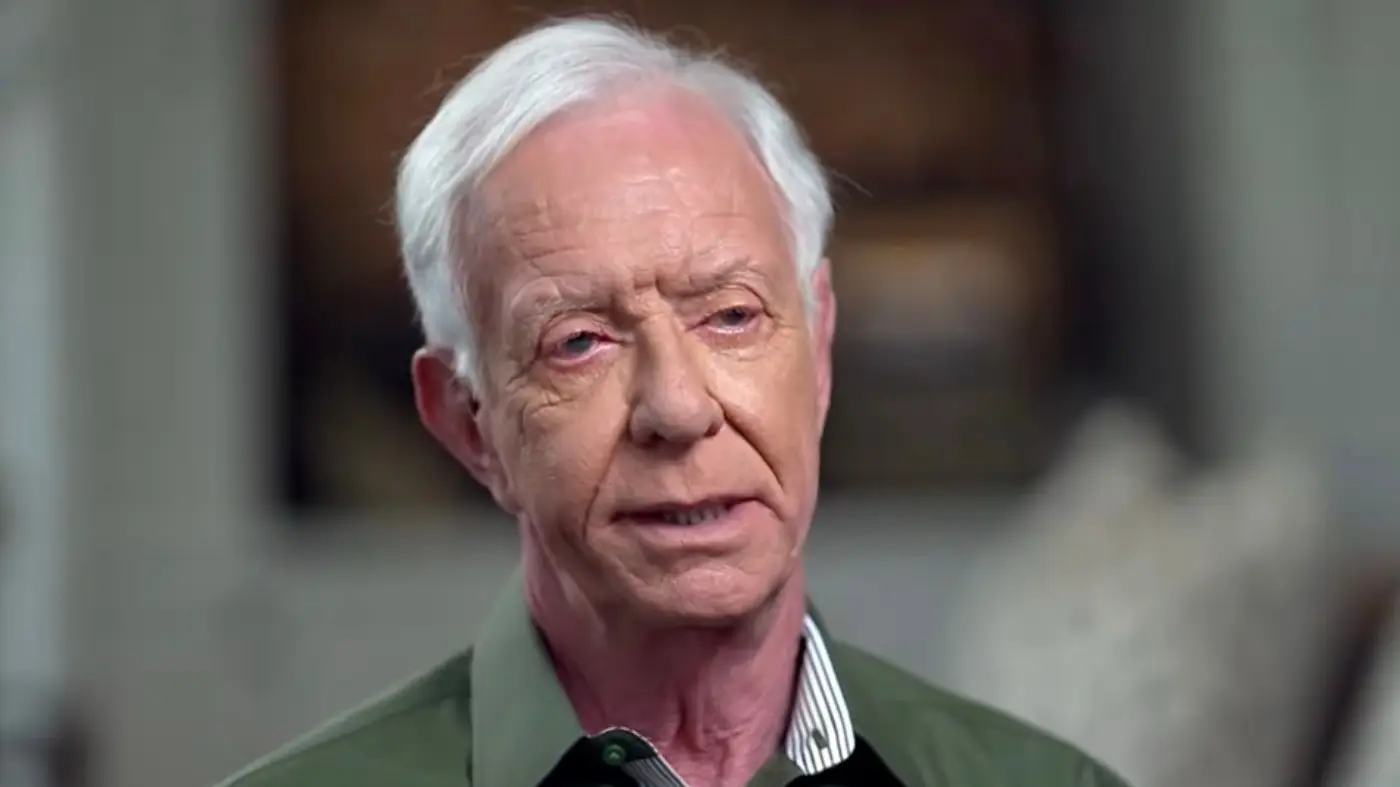
Speaking with Robin Roberts on Good Morning America on Wednesday in his first broadcast sit-down since his August 2025 diagnosis, the 75-year-old retired pilot reflected on how safely landing US Airways Flight 1549 on the Hudson River in 2009 helped prepare him for his current medical battle.
“Oh yeah, I’ve gone through harder things than this before,” Sullenberger said. “You have to devise a plan, execute that plan flawlessly for the first time, never having done that before, and save every life in 208 seconds."
"Had even one person not survived, I would have considered it a tragic failure... So I think we’re doing the same thing here. We’re focusing clearly on the highest-priority items first, and we are ignoring everything we don’t have time to do as being only distractions and unimportant.”
Advert

Alongside his wife of 37 years, Lorrie, Sullenberger opened up about the subtle cognitive shifts that first tipped him off that something was wrong long before a clinical test confirmed it.
“One of the first things I noticed was that it was harder and harder to remember people’s names, even people we knew,” Sullenberger explained. “That’s still an issue. Just forgetting things that I normally wouldn’t. Or repeating myself, not realizing that I just said that an hour ago.”
He noted that he gradually found himself checking his calendar multiple times a day to maintain his routine. Lorrie pointed out that early symptoms of Alzheimer's—the most prevalent form of dementia—are often deceptively minor compared to late-stage depictions in media, urging families to take note of anything out of character: “It’s what’s unusual for your person.”
The couple originally considered keeping the diagnosis private, but ultimately chose to speak out to dismantle the stigma surrounding degenerative neurological disorders.
Sullenberger now receives monthly infusion therapies intended to slow the disease's progression, emphasizing that prompt testing allows patients more clinical choices.
“An early diagnosis is so critically important,” he urged. “If you have doubts, get tested. Because the sooner you act, the more options there are.”
While the couple acknowledged the emotional weight the future holds—particularly with Sullenberger expressing deep concern about the eventual toll on Lorrie as his primary caregiver—the family is centering on quality time with their children and grandchildren.
When asked by Roberts about his chief concern as he looks down the road, Sullenberger framed the battle in familiar terminology: “That this is my last flight. But if this has to be my last flight, I’m going to go out using full afterburner.”
 Phoebe Tonks