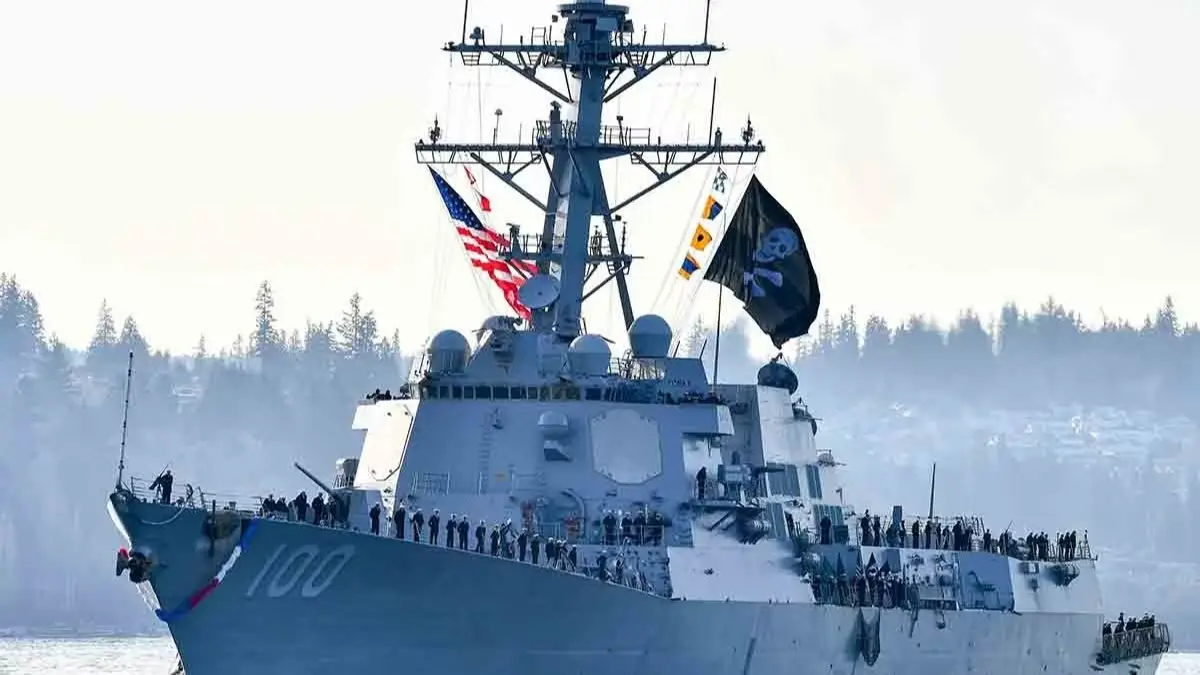
Meet the USS Kidd: the only warship in the U.S. Navy officially allowed to fly a pirate flag

Across the dozens of active Arleigh Burke-class guided-missile destroyers operating in the United States Navy, the USS Kidd possesses the identical baseline weapons systems, displacement, and defensive capabilities as every other vessel in its class.
Yet whenever the warship cuts through open waters or pulls into foreign harbors, one striking visual separates it from the rest of the fleet: a massive Jolly Roger flying high from its mast.
While military regulations strictly prohibit unauthorized ensigns—and naval leadership routinely discourages glorifying maritime lawlessness—the USS Kidd is the only vessel in the entire U.S. Navy explicitly authorized to fly the skull and crossbones.
The origin of this singular exemption lies in a deeply personal World War II tribute.
Advert
The vessel is named in honor of Rear Admiral Isaac C. Kidd, who was killed aboard his flagship, the battleship USS Arizona, during the surprise attack on Pearl Harbor on December 7, 1941.
Admiral Kidd, who rushed to the bridge during the onslaught to take command of Battleship Division One, was the first American flag officer killed in World War II and was posthumously awarded the Medal of Honor.
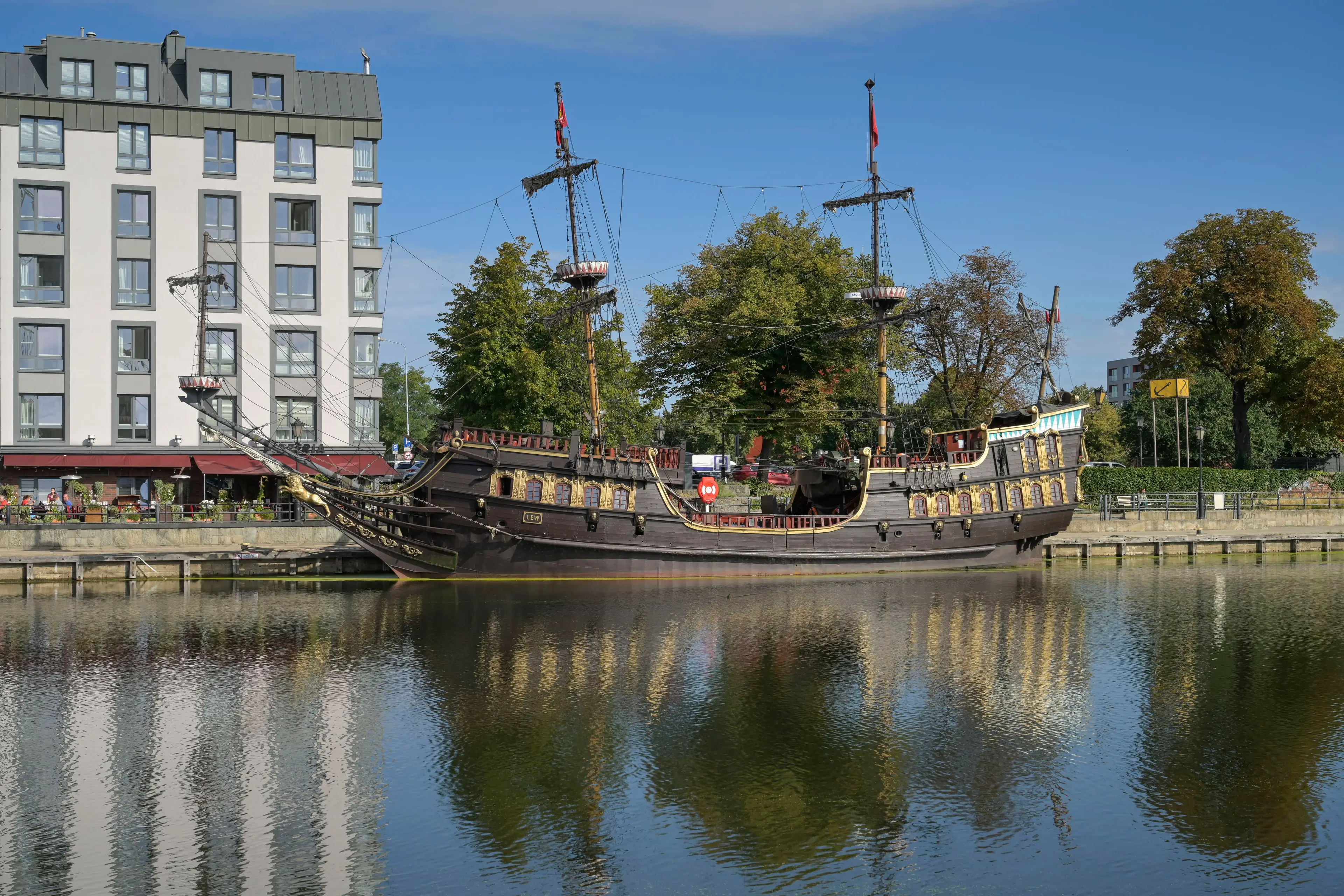
During his years at the U.S. Naval Academy, Kidd had acquired the affectionate nickname “Cap”—a cheeky nod to the notorious 17th-century Scottish privateer-turned-pirate, Captain William Kidd.
When the first Fletcher-class destroyer bearing Admiral Kidd’s name was commissioned in 1943, the crew sought to honor their namesake's lighthearted naval moniker.
Working with Isaac Kidd’s widow, Inez Kidd, the sailors adopted the pirate theme as their identity.
Inez successfully lobbied naval brass to grant the crew formal, written permission to hoist the pirate flag and paint the Jolly Roger directly onto the ship's smokestack.
The wartime crew embraced the persona enthusiastically, dubbing themselves the "Pirates of the Pacific."
Whenever the destroyer plucked downed Allied naval aviators from the water, they refused to return the pilots to their respective aircraft carriers without demanding a mandatory "ransom" paid exclusively in high-value naval currency: tubs of ice cream.
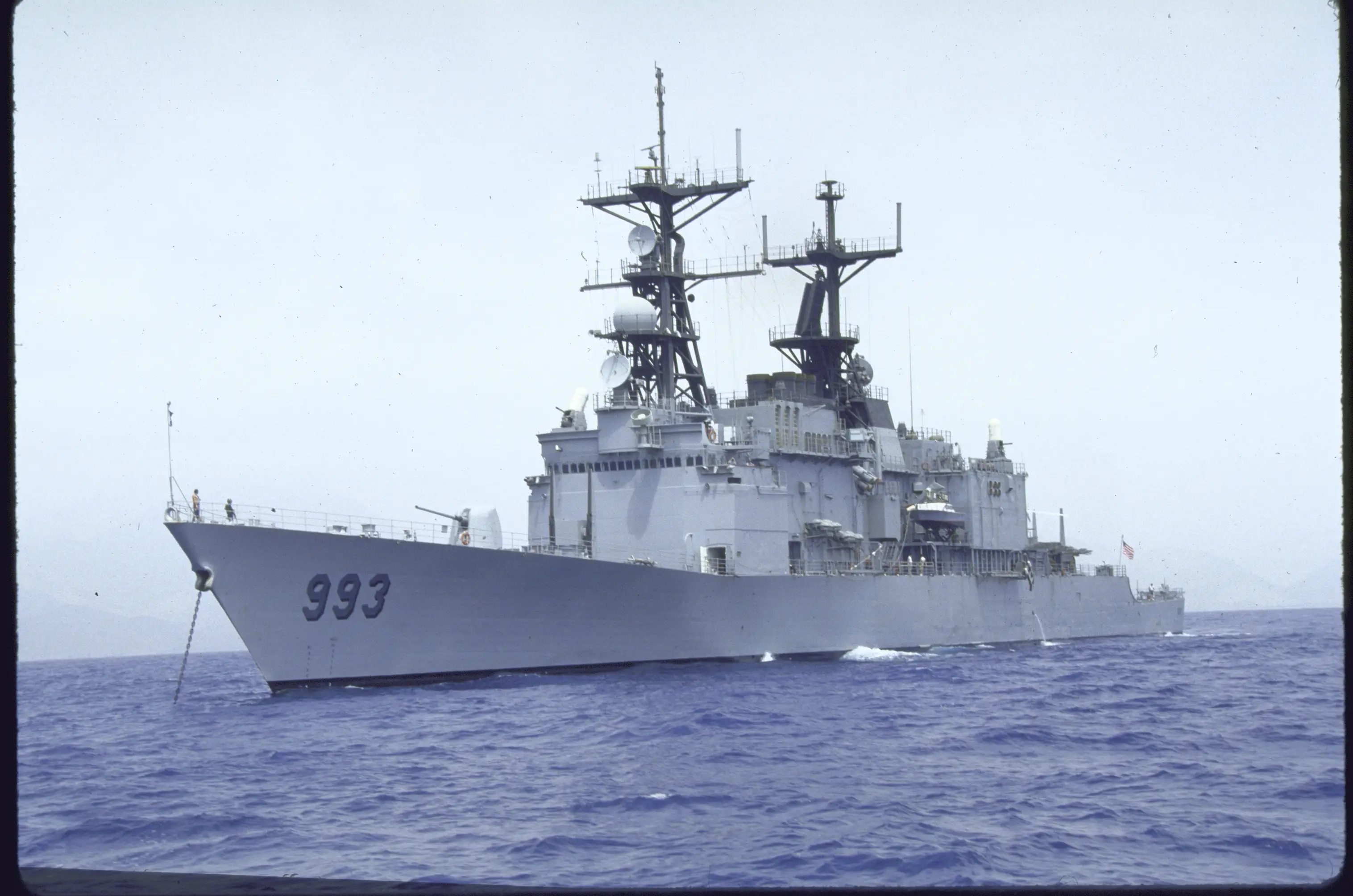
The initial Fletcher-class USS Kidd was decommissioned in 1964 and preserved as a museum ship in Baton Rouge, Louisiana. However, the unique authorization lived on.
When a new Kidd-class warship was commissioned in 1981, it inherited the exclusive right to fly the skull and crossbones, passing the mantle again to the current Arleigh Burke destroyer when it entered service in 2007.
Today, the modern USS Kidd continues to hoist the pirate banner during port departures, ocean transits, and multinational naval exercises.
The emblem is permanently painted onto the rear of the ship’s five-inch deck guns and interior bulkheads, serving as an enduring link to one of the most unusual and enduring traditions in American naval lore.
 Phoebe Tonks