Over 160 million Americans would be exempt from US military draft in WW3, but expert warns this could change

More than 160 million Americans would currently be exempt from mandatory military service if global tensions escalate into World War 3—though a leading political analyst warns that long-standing rule could swiftly change depending on battlefield demands.
While geopolitical risk models estimate the likelihood of an outright World War 3 breaking out anytime soon at less than 10 percent—largely tempered by nuclear deterrence and global economic ties—escalating regional flashpoints have increasingly pushed lawmakers and citizens alike to examine worst-case "what if" scenarios.
That renewed scrutiny comes amid fresh volatility in the Middle East surrounding the Midterm Elections. On Tuesday, November 10, Iran threatened strikes against U.S. islands while Iranian-backed Houthi forces claimed an attack on a Saudi base in the Al-Buraiqa region.
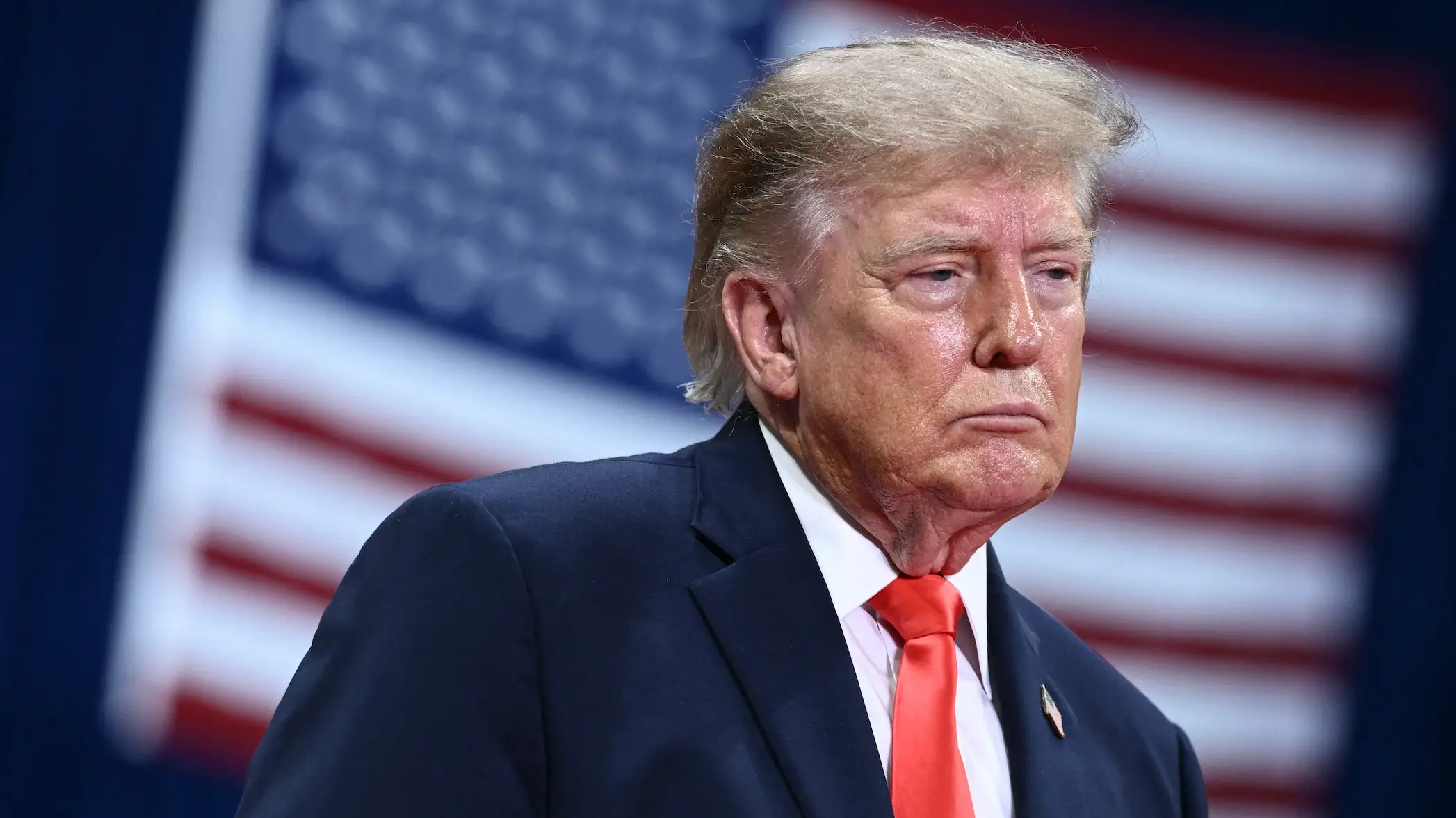
With President Donald Trump warning of potential further military action in the coming weeks, public attention has turned toward how the United States would mobilize if regional clashes ever spiraled into a prolonged, large-scale conflict.
Advert
Should Washington ever be forced to activate the Selective Service System—which historically relied on mechanisms like the Vietnam-era birthday lottery—millions of Americans would be subject to mandatory conscription, though a massive demographic group remains off the rolls.
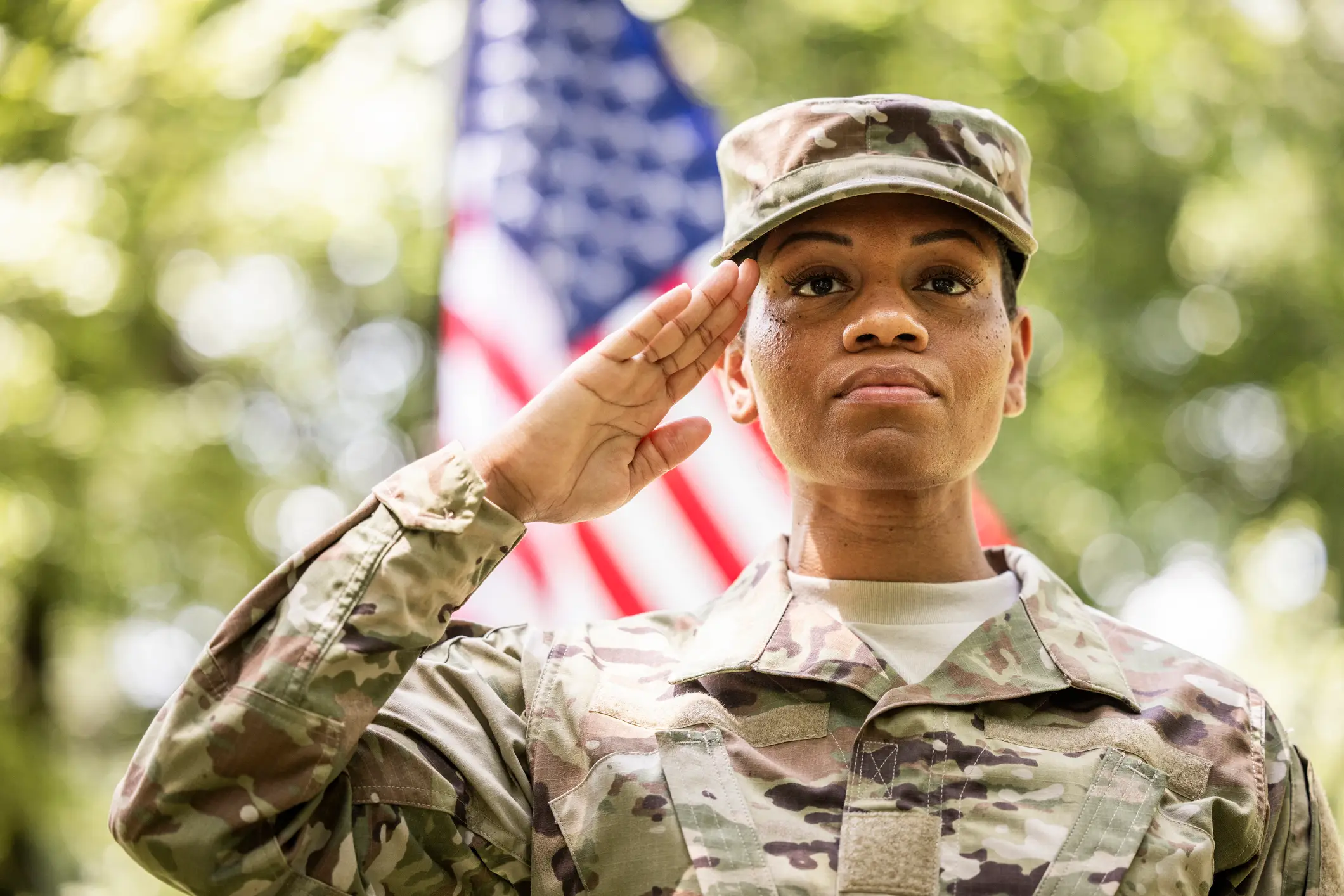
168 Million women currently exempt
According to Christopher Lee of Foresight Strategic Advisors, women—accounting for approximately 168 million U.S. residents—remain excluded from mandatory conscription under current law, Daily Express US reports.
“Women have always been exempted from the Selective Service,” Lee told the outlet. “I do want to include a caveat on including women in the draft which is important to mention. There has been, over the last two decades, a significant movement behind including women in the draft.”
The debate over expanding Selective Service registration has intensified since women gained eligibility to serve in frontline U.S. combat units. Lee pointed out that the National Commission on Military, National, and Public Service—originally established during the Obama administration—formally recommended in its final report before dissolving in 2020 that the federal government retain the draft and include women as eligible draftees.
Recent Congressional moves stopped short
Despite ongoing legislative efforts, attempts to overhaul conscription rules have repeatedly stalled on Capitol Hill.
“While the Commission dissolved in 2020, its recommendations could change the status of women in a draft,” Lee noted. “I believe the 2026 DoD budget version from the House—in changes made to Selective Service process—included women, but the final version was left out of that bill.”
Earlier this year, lawmakers again floated proposals to amend the Selective Service Act to require women to register, though the measure was not adopted. As The Hill has noted, the statute still explicitly applies only to "male persons."
Could battlefield needs force a shift?
While women remain off the registration rolls for now, Lee cautioned that an acute military manpower shortage could prompt Washington to revise the rules and look toward international models like Israel—even with certain operational restrictions intact.
“Women are still not included in the draft—but that could certainly be altered as the needs of the military warrant,” Lee explained. “It should be noted that nations like Israel, as one example, require women to do a two-year service stint in the IDF. In addition, their service in front line combat units is selective at best and the Netanyahu government recently suspended women from serving as combat pilots.”
 Phoebe Tonks