Man claims he 'went blind' after taking GLP-1 medication as he reveals first sign of sight loss

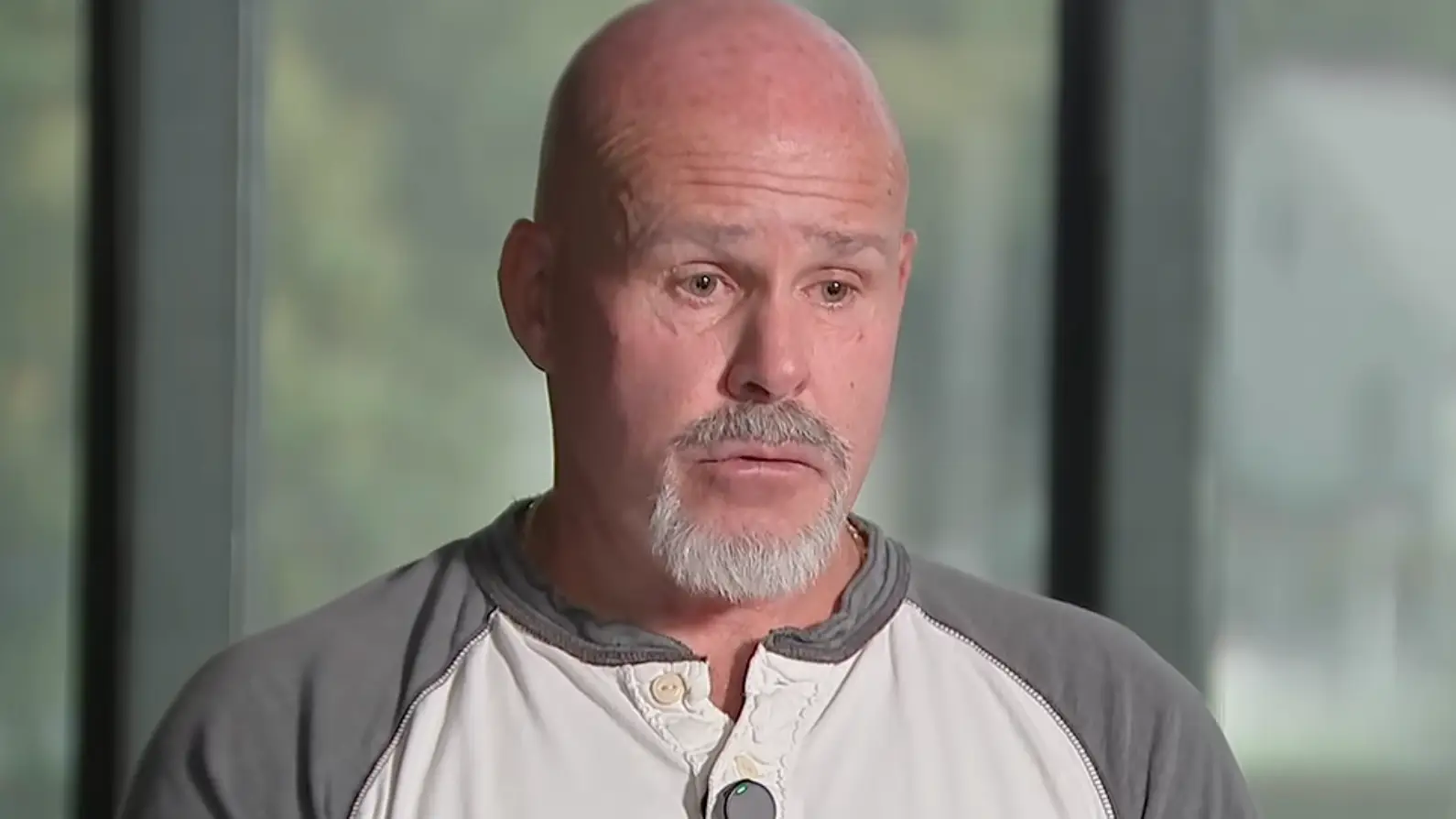
A Massachusetts man has shared the terrifying reality of losing his vision - which he believes was down to taking a GLP-1 medication.
Ed Gillen, from Dedham - a town a 30-minute drive southwest of Boston in Massachusetts, began taking weight loss drugs to manage his health, but it quickly turned into a nightmare.
The former highway worker revealed how his life-altering ordeal started with a seemingly harmless symptom.
"So in May of '25, I woke up on a Saturday morning and had a speck in my eye," Gillen told Boston 25 News.
Advert
Assuming it was a minor issue, he contacted his doctor and scheduled an appointment to get it checked out. However, within just two weeks, his condition rapidly deteriorated until his vision had completely gone.
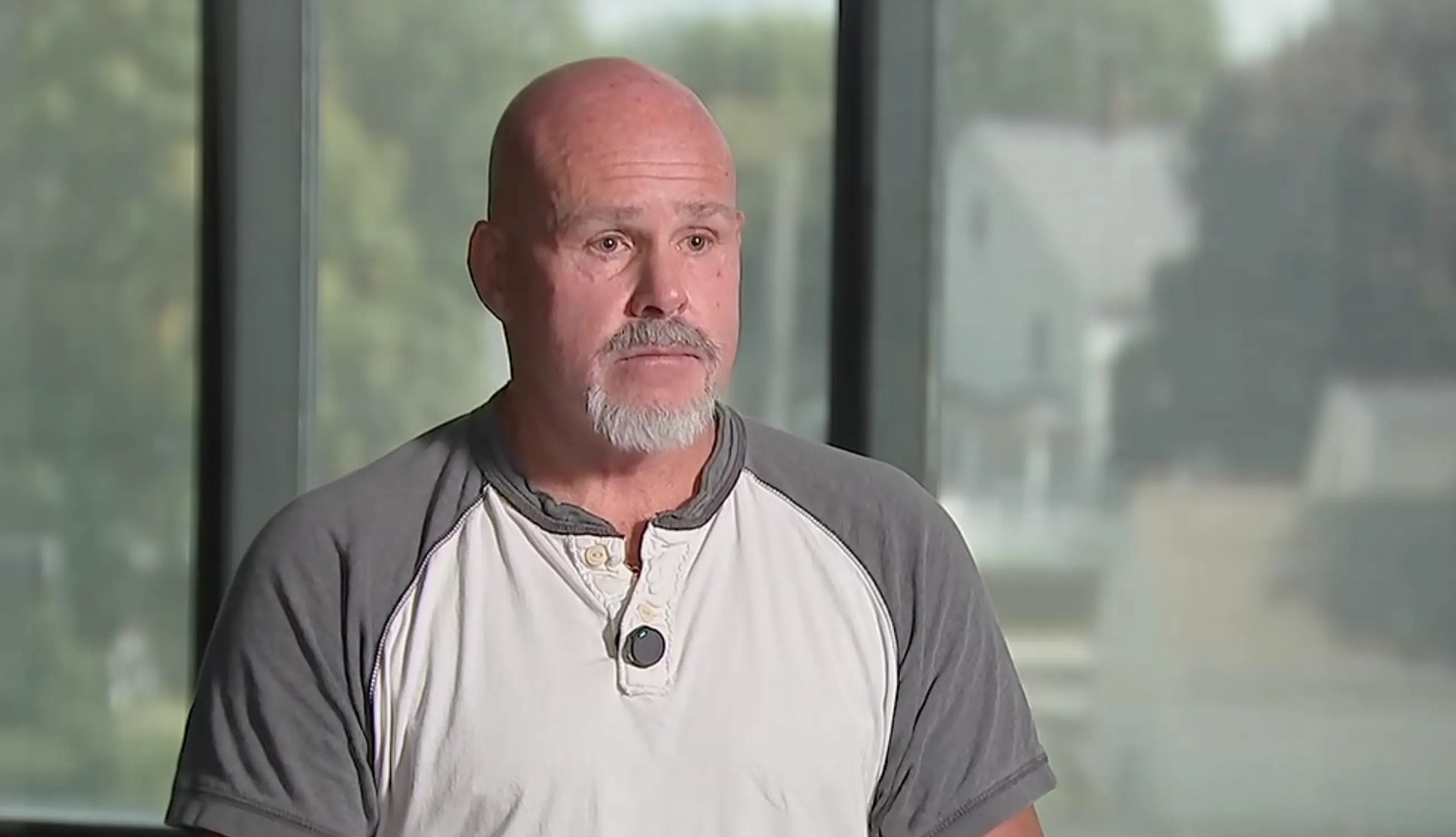
As his daughter frantically drove him to the hospital, the 58-year-old's vision was getting worse - and before they even arrived, he says his remaining vision faded to black.
Arriving at the emergency room in a state of panic, Gillen recalled desperately telling hospital staff: "I need a wheelchair. I can't walk."
When staff asked him why he needed assistance, he remembers saying: "I can't see."
After early CT scans came back clean, Gillen met with a neuro-ophthalmologist who alleges his sudden blindness was a direct result of his medication.
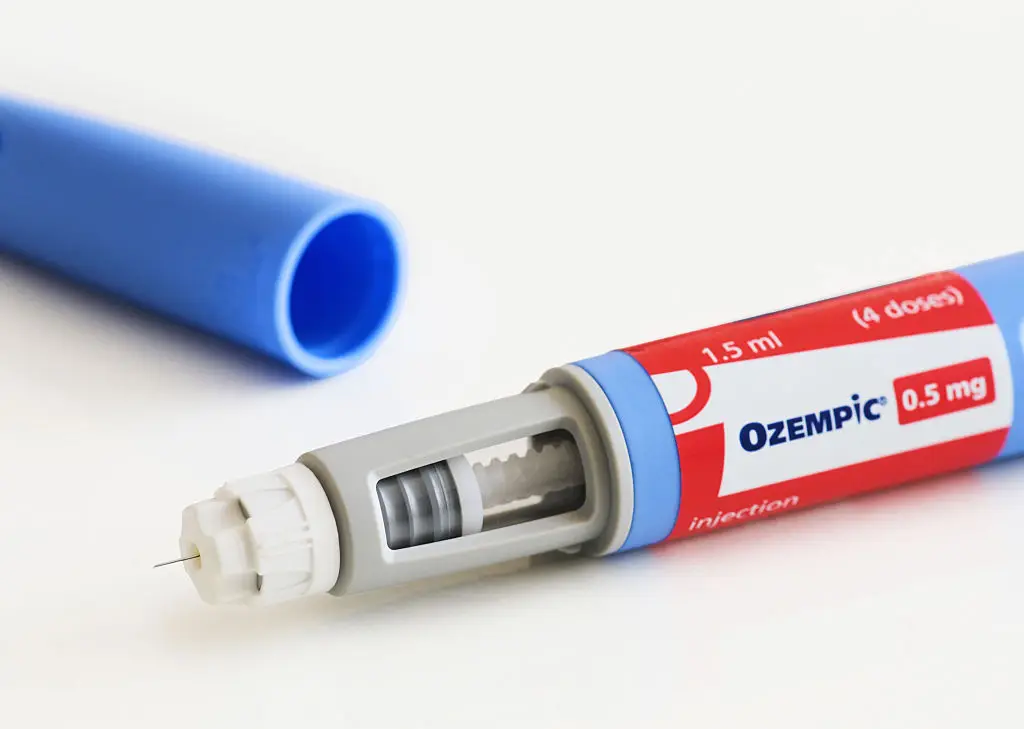
"I was taking Ozempic for my A1C," he confirmed. Ozempic can be prescribed to help lower A1C levels in people with type 2 diabetes.
Detailing his shocking diagnosis, Gillen recalled the doctor confirming his worst fears.
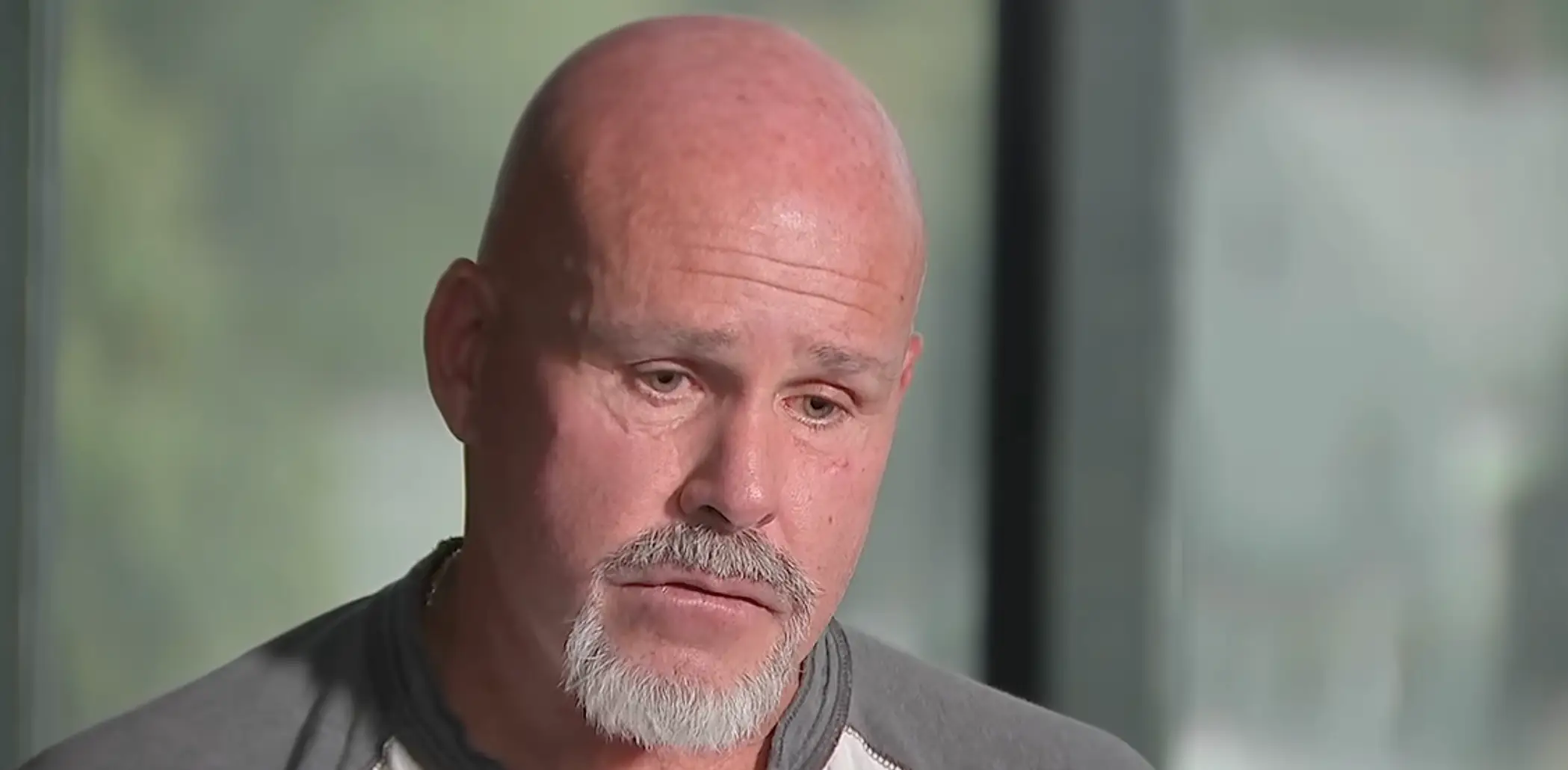
He explained the specialist 'ran me through all kinds of tests and said, "Yeah this is definitely symptoms of taking the GLP 1 Ozempic', and I said, "Okay what do we do now?"'
Because of the sudden disability, Gillen was forced to tragically abandon his 39-year career as a state highway worker.
"So, I'm blind for the rest of my life, but I'm still me and I want to let people know you can still be you," he added.
Now, the Dedham resident is actively pursuing a lawsuit and hopes to raise vital awareness for others casually taking GLP-1 drugs.
Despite Gillen's story, Ozempic manufacturer Novo Nordisk has issued a statement pushing back against the allegations.
It read: "Novo believes the personal injury lawsuits filed in the US are without merit and is vigorously defending them.
"Novo is aware of reports and epidemiological data concerning non-arteritic anterior ischaemic optic neuropathy (NAION) in patients treated with semaglutide. The available clinical, epidemiological and post-marketing data are being continuously assessed, and a causal relationship between semaglutide and NAION has not been established.
"Patient safety is a top priority for Novo and we take all reports of adverse events associated with our medicines very seriously, collaborating closely with health authorities and regulatory bodies worldwide."
Despite the manufacturer's stance, Gillen remains determined to help others navigate similar tragedies and urges people to understand the risks of the drugs they are prescribed.
"'It's not going to happen to me' - don't think like that because everybody's at risk. Follow the risk factors. Know your body," he warned.
"I want to also with this lawsuit be able to make people aware. Not necessarily tell them stop taking it. That's on them. But just be aware."
 Joe Yates