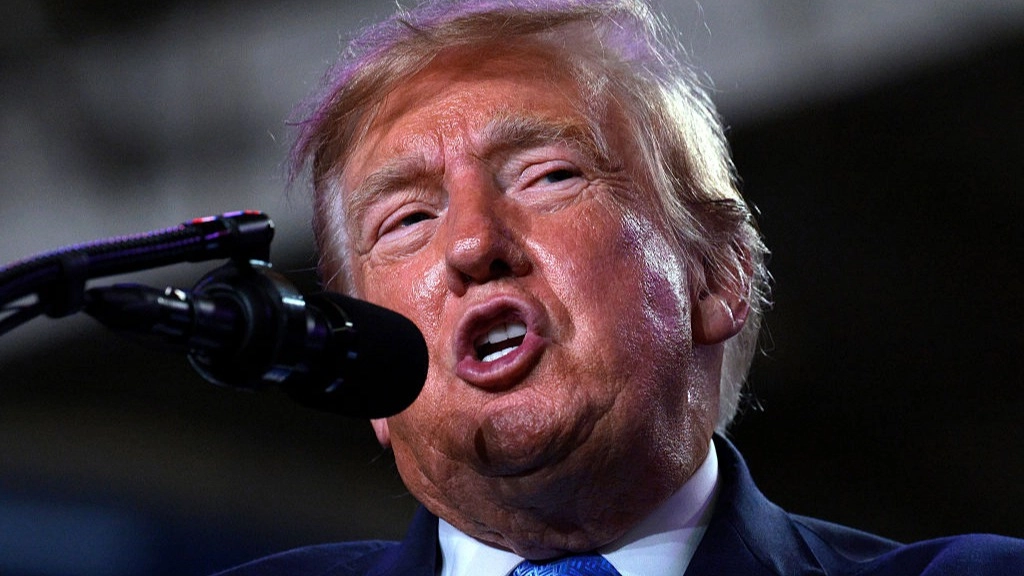
Donald Trump suggests turning Venezuela into 51st US state less than a year after US military intervention

President Donald Trump has sparked fierce international debate after publicly floating the idea of turning Venezuela into America’s 51st state, pitching the move to Texas rallygoers as a way to secure vast energy reserves and replace its presidency with a US governorship.
Speaking Tuesday to supporters at the Port of Corpus Christi in Texas while campaigning ahead of the upcoming midterm elections, Trump hailed what he described as a transformed economic dynamic since the United States took operational control of the South American nation earlier this year.
Addressing the crowd, Trump praised the influx of commercial capital into the territory before explicitly floating formal statehood.
“I want to thank Venezuela, where our relationship has become very, very good - a great one,” Trump told the crowd. “Billions and billions of dollars now are being invested, many which come from Texas, all over the world, and jobs are happening in Venezuela that nobody even thought possible just one year ago. And we’re bringing out a lot of oil for ourselves. A lot of oil.”
Advert
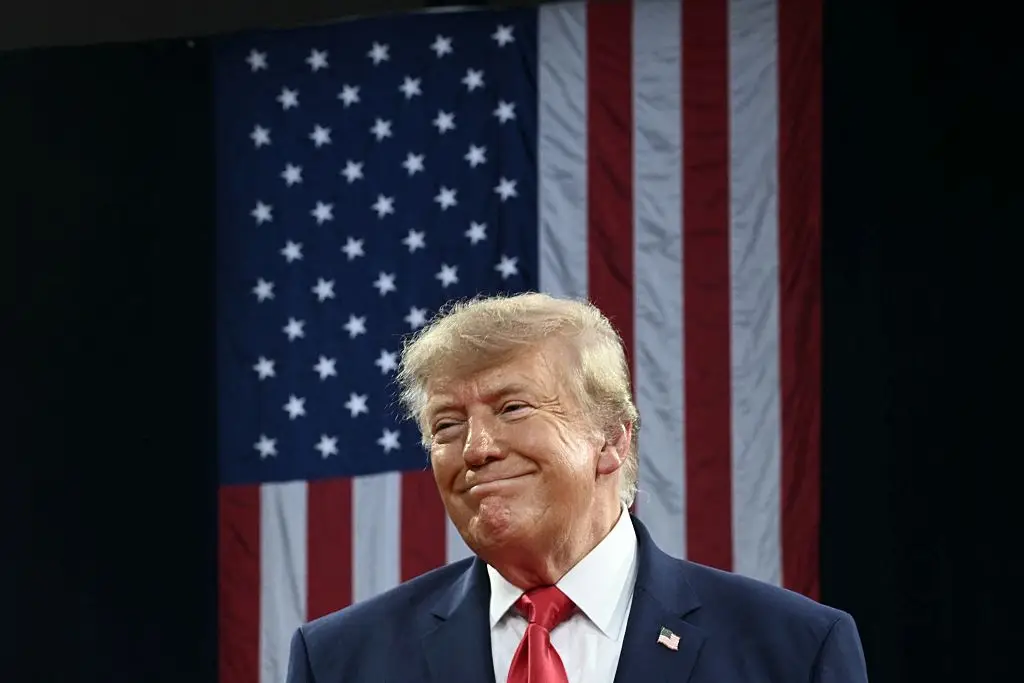
Pivoting directly to future governance, the president went a step further, floating the complete absorption of the sovereign nation into the United States federal system.
“It will become a prosperous country and who knows, maybe one some day soon it will become a prosperous 51st state. Let’s make it the 51st state! And instead of a president, we’ll have an election for a governor. How about that?” Trump said, drawing cheers from the Texas audience.
Moments later, Trump reiterated the proposal to billionaire energy executive Harold Hamm, who was in attendance at the rally, asking: “Now let’s make it, Harold, the 51st state. You like that? I do.”
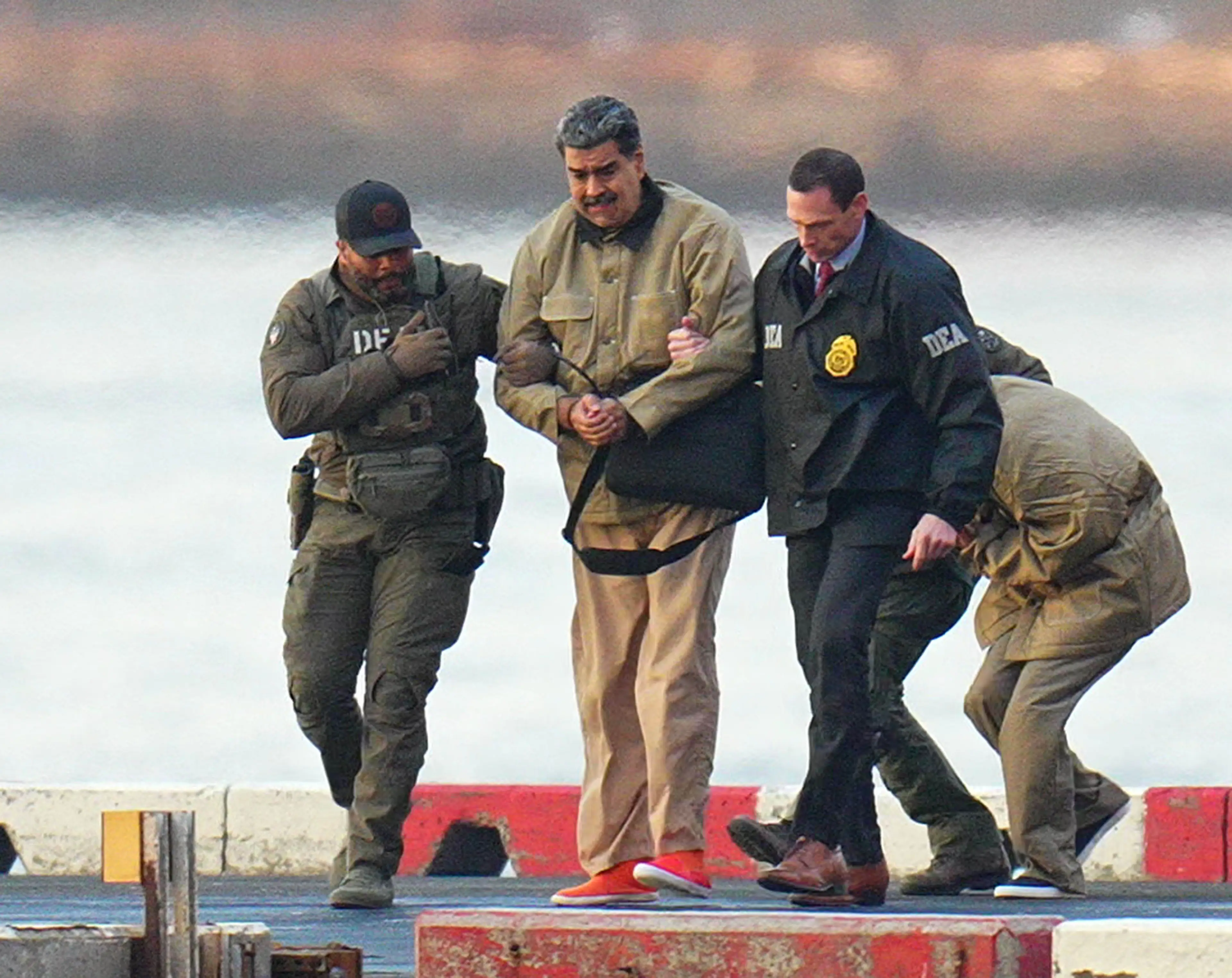
The provocative comments follow months of heightened geopolitical drama in South America after US military forces launched a rapid operation in January that resulted in the capture of Venezuelan leader Nicolás Maduro.
Earlier on Tuesday, speaking to reporters at Joint Base Andrews, Trump claimed the territory had delivered "a boatload of a million barrels of oil" to the United States as a gesture of goodwill, while promising that American consumers would soon see gasoline and diesel prices plummet as imports scale up.
However, the prospect of formally annexing a foreign nation of nearly 30 million people faces steep constitutional, diplomatic, and political barriers. Under the US Constitution, admitting a new state requires formal approval from both chambers of Congress.
Capitol Hill lawmakers and constitutional analysts quickly pushed back, warning that absorbing Venezuela would trigger unprecedented legal warfare, disrupt global sovereignty standards, and permanently upend the electoral balance of power in Washington. Regional leaders across Latin America have likewise expressed deep alarm at any suggestion of formal US territorial annexation.
Despite the mounting criticism, Trump remained focused on the economic windfall, insisting that direct integration would provide permanent energy security while keeping adversarial foreign powers entirely locked out of the Western Hemisphere.
Topics: Donald Trump, US News, Politics, World News
 Phoebe Tonks