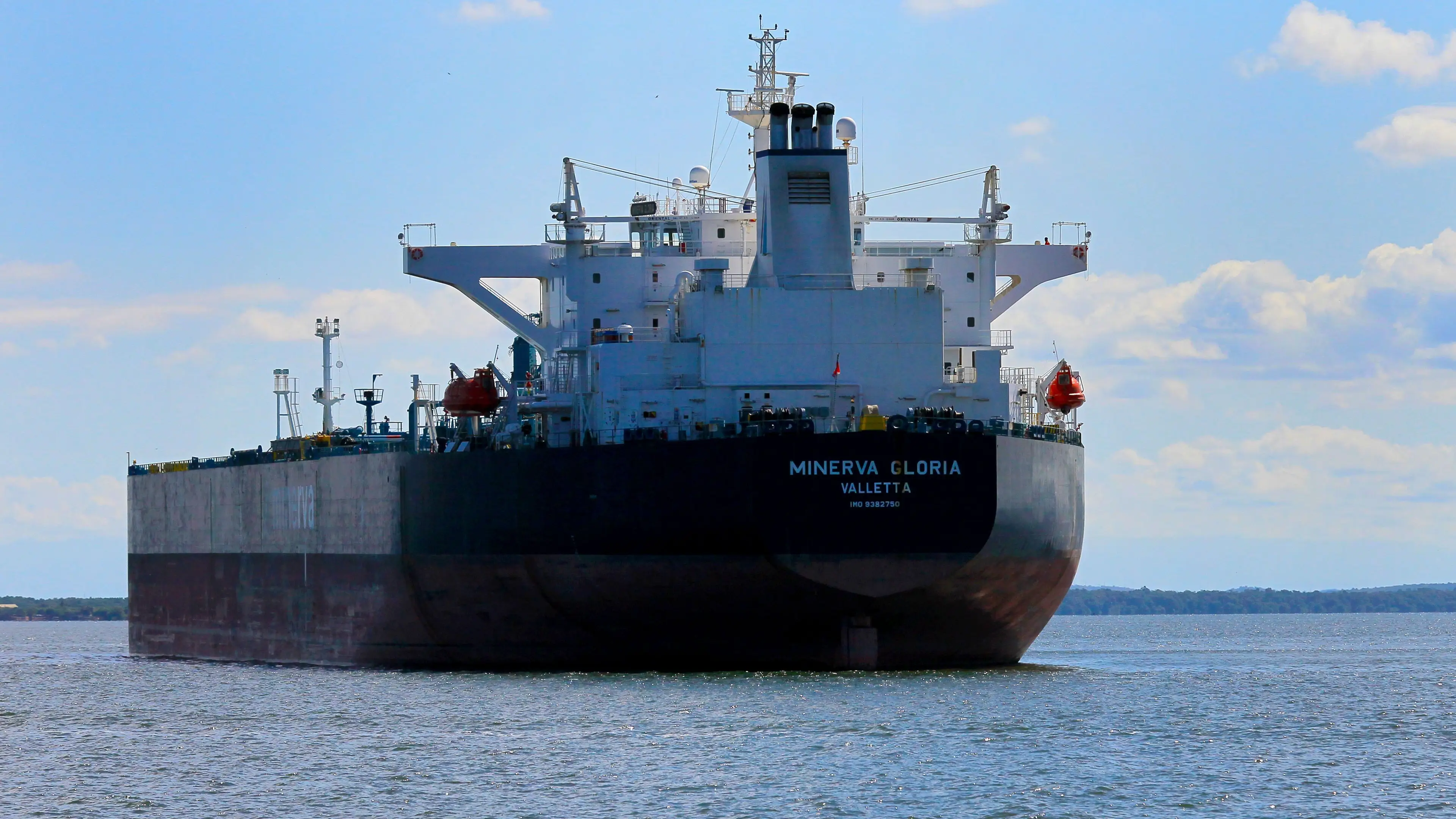
List of countries most in danger of running out of oil as US-Iran war rages on

While the war involving Iran and the US may be taking place in the Middle East, the knock-on effect of the conflict has been felt across the globe.
The war began last month following a joint US-Israel military operation in Iran, which saw Iran's Supreme Leader Ali Khamenei killed.
Iran fired back with retaliation attacks by targeting US military bases across the Middle East, including the likes of Dubai, Kuwait and Qatar.
The ongoing conflict has caused huge travel chaos, while it's also seen a knock-on effect when it comes to gas and oil prices.
Advert
Prior to the war, a staggering 40 tankers carrying 20 million barrels of crude oil traversed the Strait of Hormuz - the world's largest oil shipping channel - on a daily basis. However, Iran is only permitting a handful of ships to pass through, causing stress to oil supply across the globe.
Many countries rely on their oil supply passing through Hormuz, including destinations Americans visit on their travels.
Here are the countries that are at most risk of running out of oil as the conflict in the Middle East continues.
Myanmar
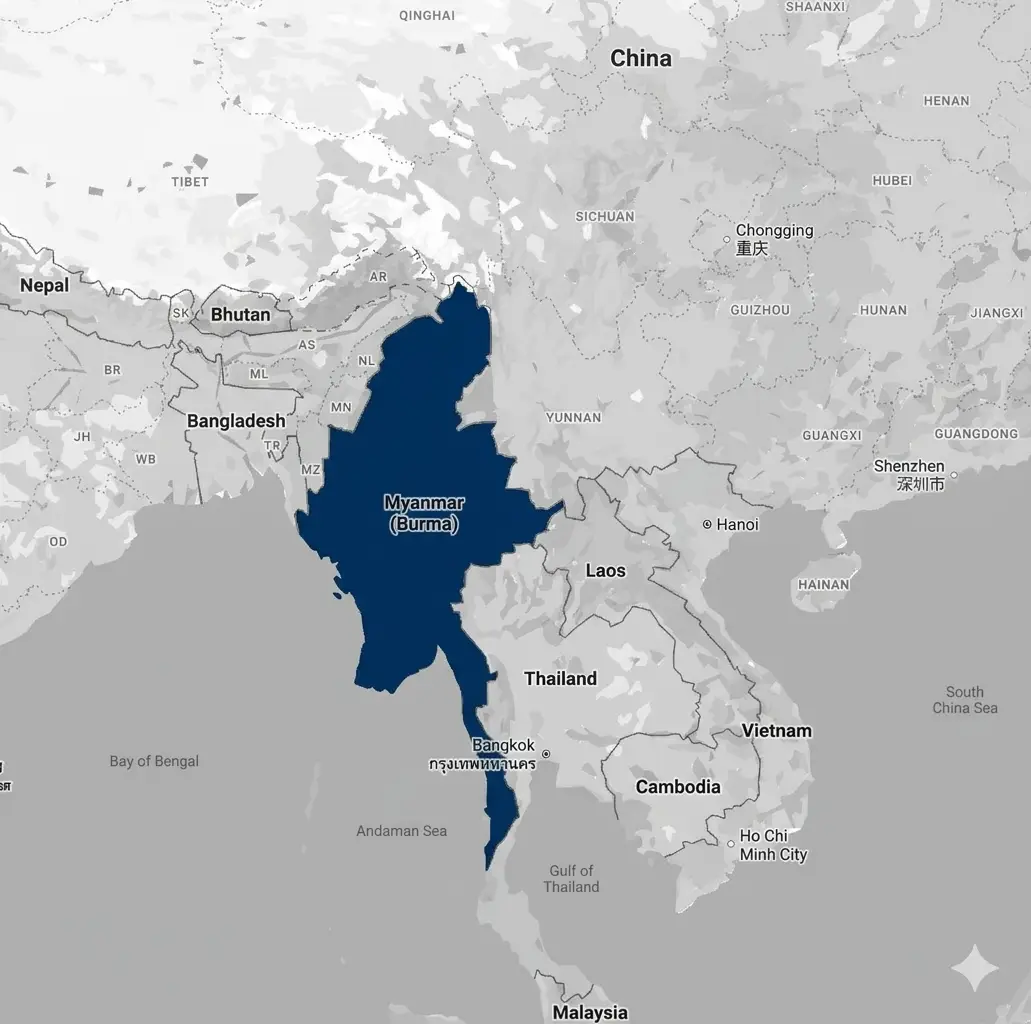
According to the SocGen commodities team, Myanmar receives upwards of 80 percent of its oil from cargoes passing through the strait.
More worryingly, it's believed they have just a month's oil supply in reserve, so the country will be hoping for a quick end to the war or for Hormuz to be opened as usual.
Vietnam
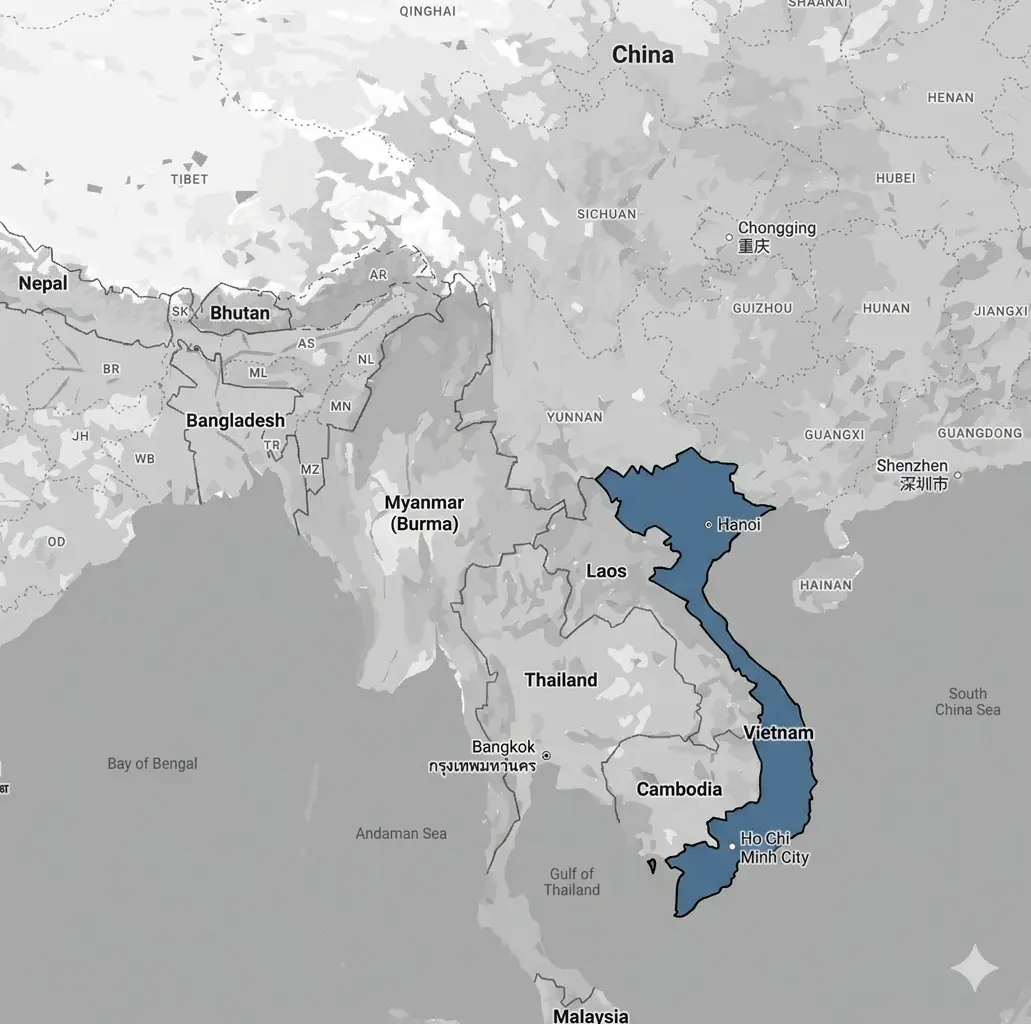
The popular backpacking destination is in a similar position to Myanmar by sourcing more than 80 percent of its total oil from ships passing through Hormuz. And like its fellow southeast Asian country, it's believed Vietnam could well run out of oil in just a month if normal service is not resumed.
Philippines
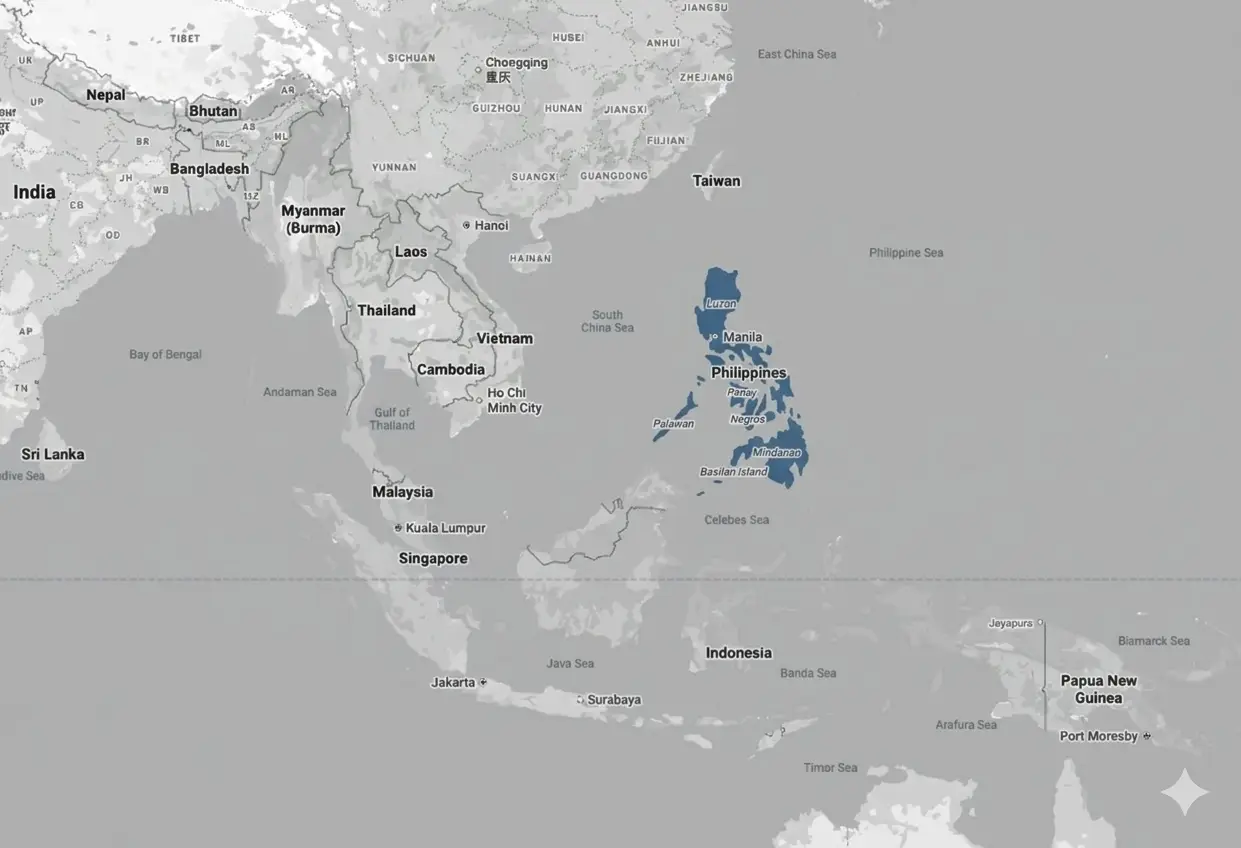
Another popular vacation hotspot is feeling the effect of the current US-Iran conflict, like the previous two countries on this list, the Philippines also sources more than three quarters of its total oil supply from cargoes traversing Hormuz.
Leaders there will be hoping the strait is opened as normal sharpish.
Singapore
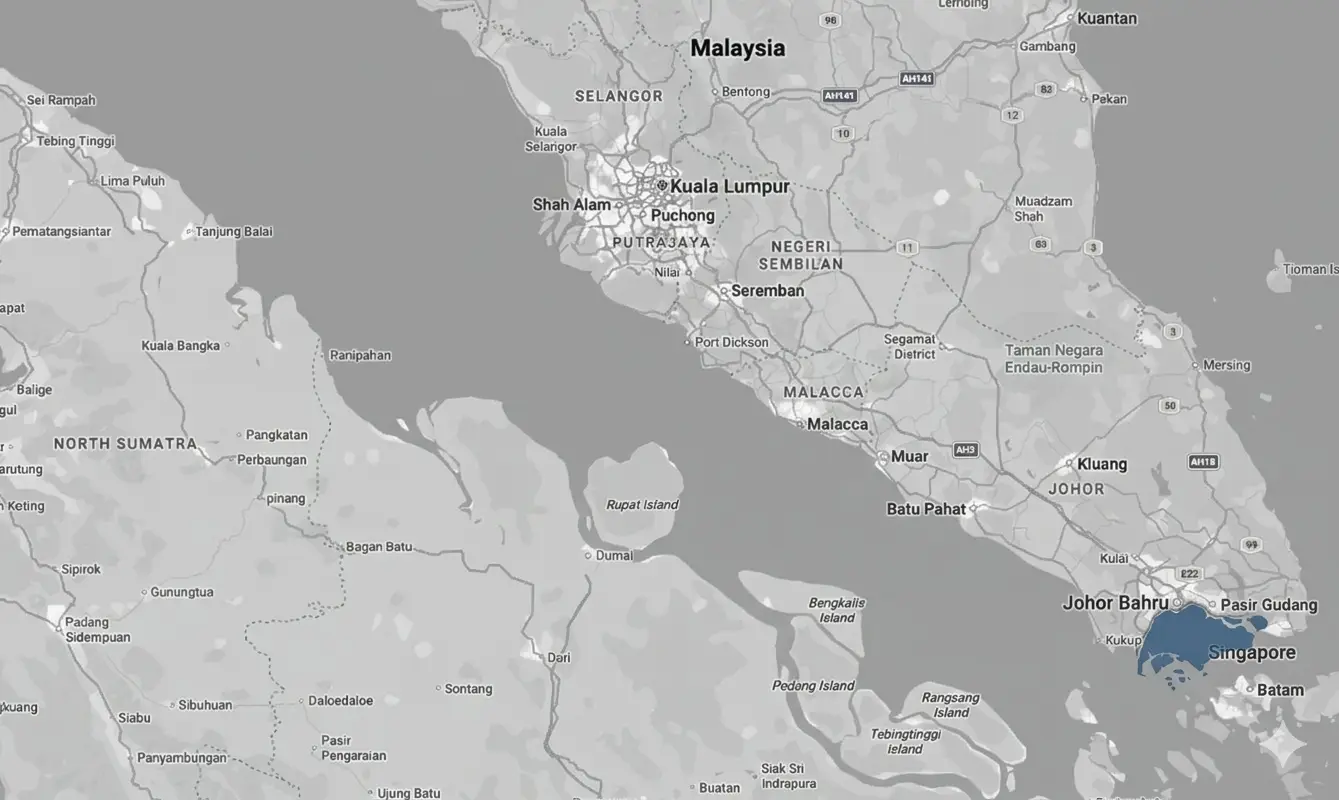
Forbes reports Singapore has 40 days of oil reserve left, so will need to find another and potentially costly energy supply if things are not resolved.
Thailand
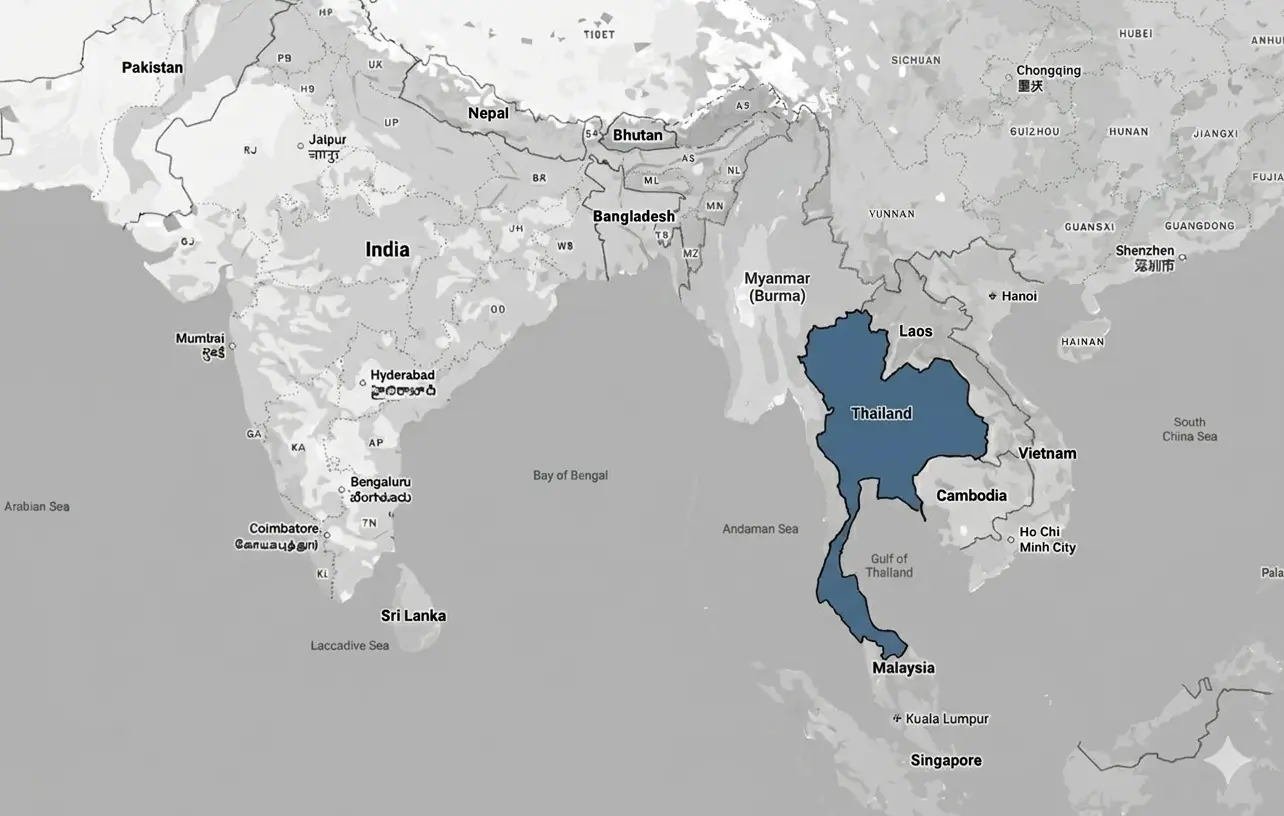
While Thailand may be in a better position compared to Singapore, it still only has 50 days of oil inventory remaining, according to Forbes. The holiday destination typically has 400,000 barrels per day from Hormuz.
These five countries certainly aren't the only in danger of running out of oil from the US-Iran conflict.
As per Forbes, the full list includes:
- Taiwan
- South Korea
- China
- India
- Indonesia
- Japan
Qatari officials said on Wednesday (March 18) that Iran had launched missile attacks on the Ras Laffan Industrial City and caused 'significant damage' to the country's main gas facility.
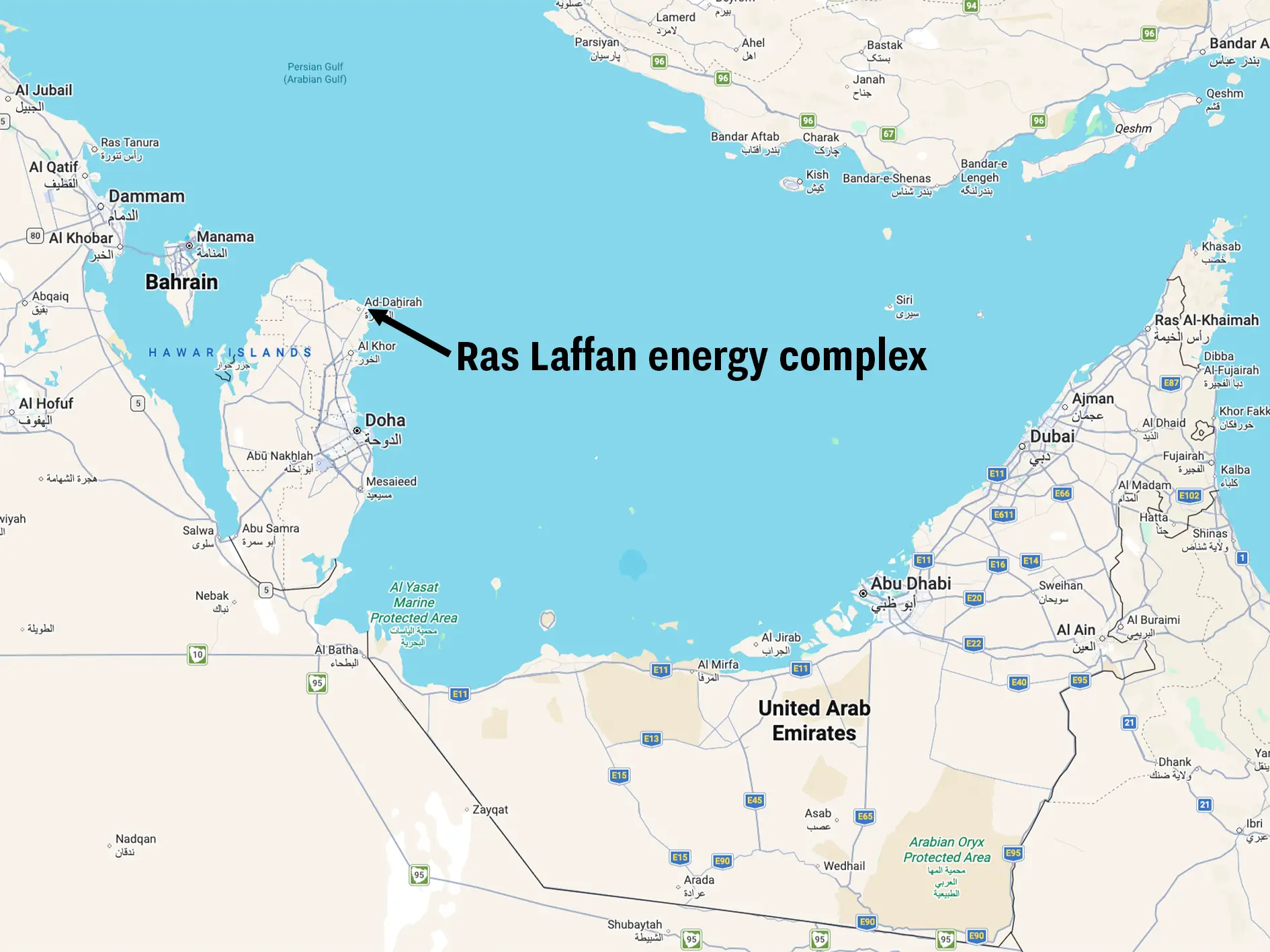
Qatar’s Ministry of Foreign Affairs said in a statement: "The State of Qatar expresses its strong condemnation and denunciation of the blatant Iranian attack targeting Ras Laffan Industrial City, which caused fires resulting in significant damage to the facility."
Such attack will almost certainly see oil prices rise across the globe.
What is Trump doing about soaring crude oil prices?
As the US' war against Iran rages on in the Middle East, President Donald Trump has put in place some measures in an attempt to curb the rising crude oil prices, which is having an astronomical effect on citizens.
After Iran blocked the Strait of Hormuz - one of the world's busiest oil shipping channels that sees significant volumes of natural gas, crude oil, and tons of critical materials for fertilizers and other petroleum products pass through - energy markets have been sent into turmoil.
Iranian attacks on several energy facilities across the Middle East have sent the prices of crude oil in the US skyrocketing, with West Texas Intermediate (WTI) trading around $95–$98 per barrel. These prices have surged around 50 percent since the Iran war began, Trading Economics reports.
US citizens are feeling an incredible knock-on effect as a result of these price hikes, with the costs of energy, gasoline and everyday necessities such as groceries increasing at an alarming rate.
So, what is the president doing about this growing issue?
Waiving the Jones Act
The Jones Act requires that goods moved between US ports be moved on US-flagged vessels, therefore prohibiting foreign vessels from transporting oil and gas between these ports.
The Trump administration approved a 60-day waiver of the Jones Act this week in a bid to increase the number of oil and gas tankers calling at US ports.
Releasing 40% of crude oil reserves
Trump announced that he would release 172 million barrels of crude oil reserves to comply with the agreement reached with some 30 member countries of the International Energy Agency (IEA), which agreed to release 400 million barrels.
The process will take approximately 120 days, and would constitute a drop of more than 40 percent of the US' energy backstop and leave the reserve at levels not seen since the early 1980s, Yahoo! Finance reports.
Waiving Russian sanctions
Without specifying which ones, Trump announced during an event in Florida earlier this month: "We’re waiving certain oil-related sanctions to reduce prices."
US Treasury Secretary Scott Bessent said this 'short-term measure' was aimed at promoting 'stability in global energy markets', the BBC reports.
Topics: Iran, World News, US News
 Callum Jones