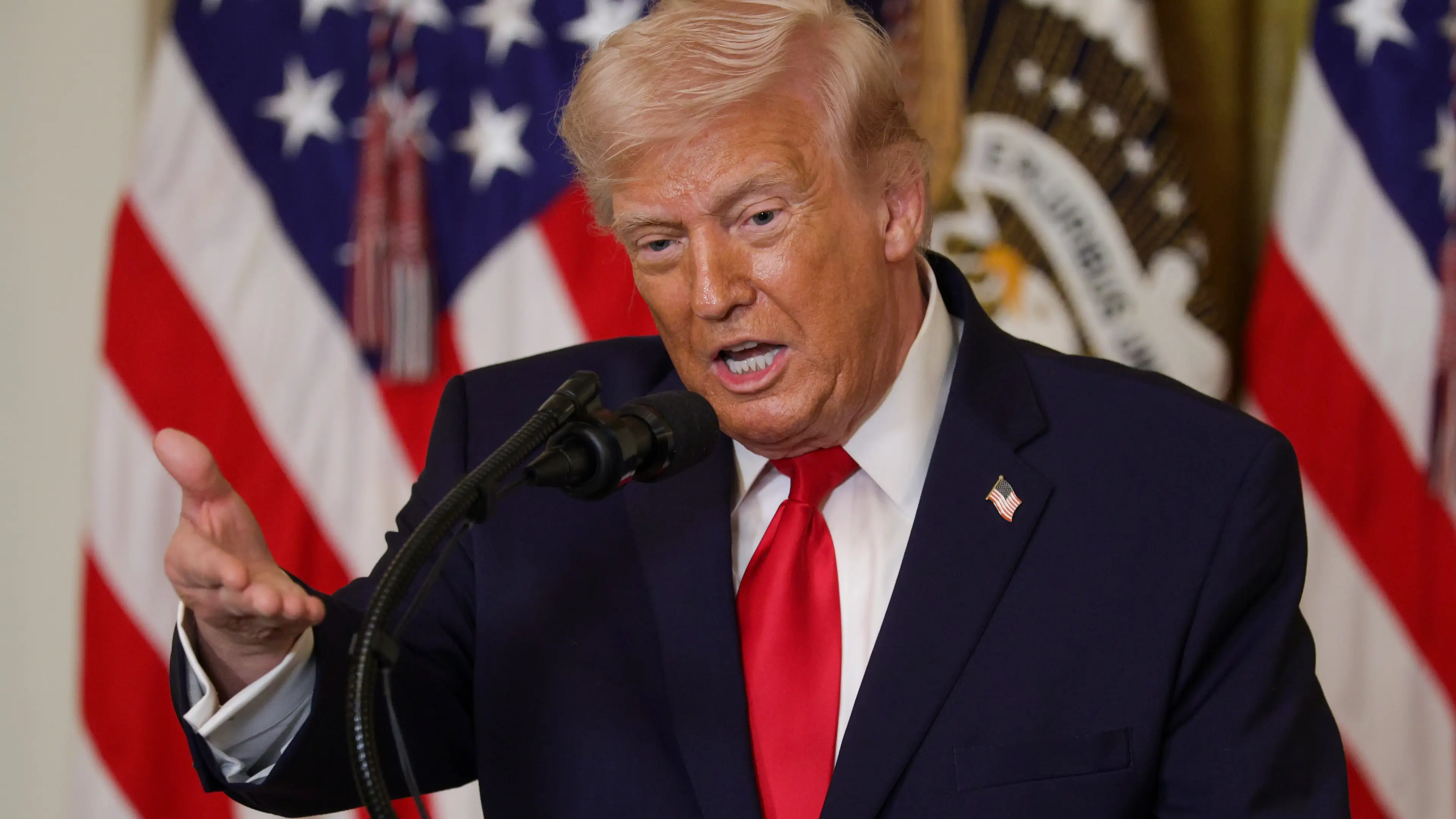
List of every country that has rejected Donald Trump and refused to join fight in Iran war

After launching Operation Epic Fury last month, Donald Trump has been calling on his allies to help him and Israel in their campaign against Iran - but with seemingly little success.
Trump has repeatedly insisted that the conflict against Iran, which began when the US and Israel launched wide-ranging air strikes which killed its supreme leader Ayatollah Ali Khamenei, is going well, at one point arguing America was ahead of schedule in the campaign.
Last week, speaking to Axios, Trump said: “The war is going great. We are way ahead of the timetable. We have done more damage than we thought possible, even in the original six-week period."
He added that there is 'practically nothing left to target' in Iran.
Advert
However, since then, Trump has called on the US's many allies to aid the country more significantly in the war against Iran - and he doesn't seem too impressed with the response he's had so far.
Here's a full list of countries which have refused to support Trump's war with Iran.
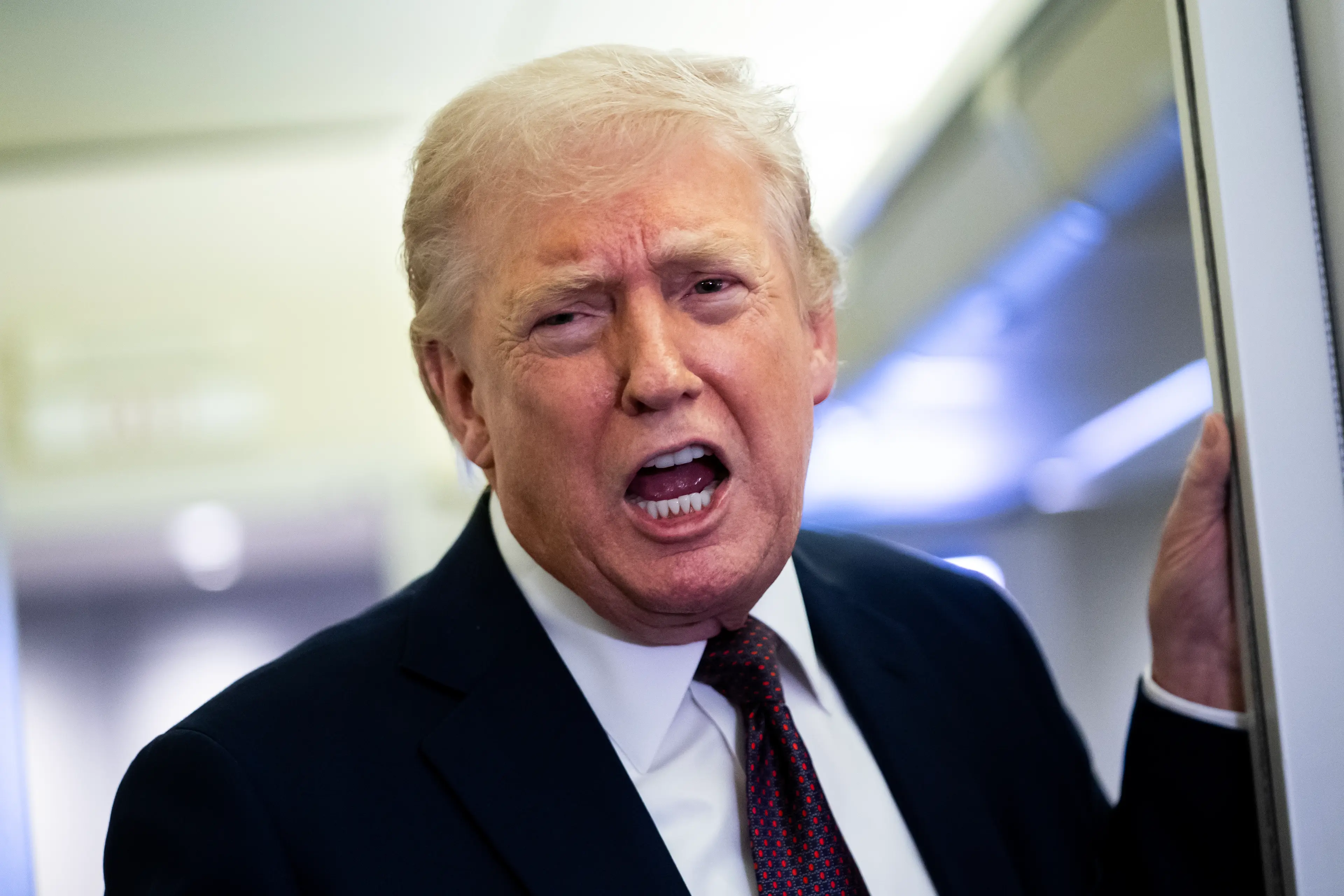
United Kingdom
Despite the UK and US constantly boasting a ‘special relationship’, Prime Minister Keir Starmer made it clear he wants a de-escalation of the situation.
Starmer said in a press conference that he would not deploy troops without a legal basis and a 'properly thought-out plan'.
He also said that the best and fastest way to restore oil flows from the Gulf to the rest of the world was to reach a 'negotiated agreement' to end the war in Iran.
"Let me be clear: that won’t be, and it’s never been envisioned to be, a NATO mission," he said. In response, Trump slammed Starmer's leadership as 'terrible'.
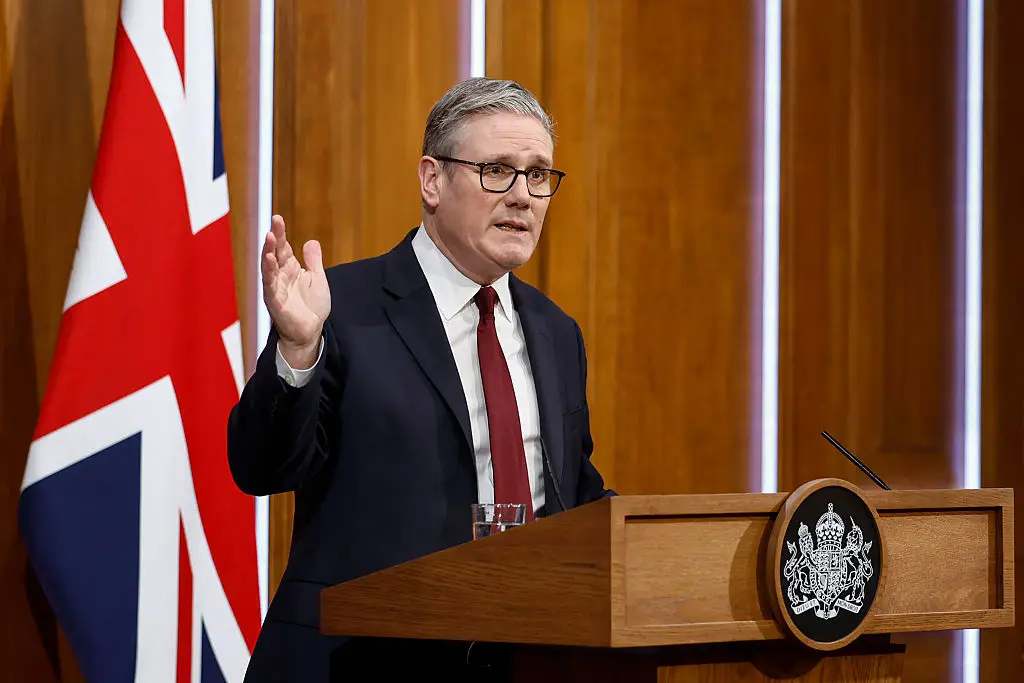
Italy
Italy’s foreign minister, Antonio Tajani, has also ruled out the country’s involvement. He stated that ‘diplomacy needs to prevail’ and that Italy was involved in defensive naval missions in the Red Sea but didn't see it extending to the Strait, according to The Guardian.
Tajani also expressed doubt on any EU missions occurring in the Straits of Hormuz 'since they are anti-piracy and defensive missions'.
Germany
Germany has likely had the most stern response to the calls for their involvement.
Chancellor Friedrich Merz ruled out Germany getting involved in the conflict. He said: “There was never a joint decision on whether to intervene.
“That is why the question of how Germany might contribute militarily does not arise. We will not do so.”
While Merz has said that the Iranian regime ‘must end,’ he added that bombing it into submission is not the right approach.

Greece
A spokesperson for the Greek government confirmed that the country would not be engaging in military operations in the Strait of Hormuz following attempts by Iran to block ships that would normally pass through without issue.
Elsewhere in Europe
Some European countries haven’t been so clear-cut on whether they would support the US, owing to wanting to know what the overall plan is in Iran.
These nations include the Netherlands, Estonia and Lithuania.
While previously clashing with Trump over his demands for Greenland, Denmark has, however, advised keeping an eye on how the conflict progresses, with Danish foreign minister Lars Løkke Rasmussen saying: "Even if we don’t like what’s going on, I think it’s wise to keep an open mind on whether Europe... in some way can contribute, but with a view towards de-escalation."
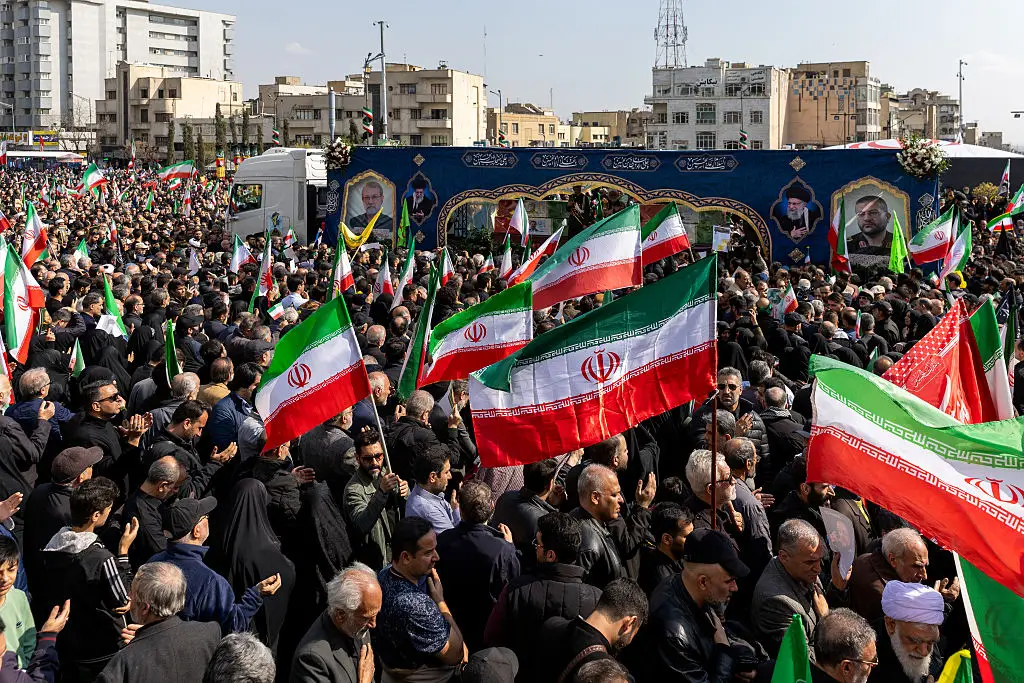
Elsewhere in the world
Australia has dismissed the idea of sending ships to help deal with the Strait of Hormuz situation.
Australian transport minister Catherine King said: “We won’t be sending a ship to the Strait of Hormuz. We know how incredibly important that is, but that’s not something we’ve been asked, or we’re contributing to.”
South Korea has been less committal, saying it will continue to communicate with the US.
Meanwhile, the Japanese Prime Minister, Sanae Takaichi, has said they've 'not made any decisions whatsoever about dispatching escort ships', adding: "We are continuing to examine what Japan can do independently and what can be done within the legal framework."
She also said that Japan was 'continuing to engage with Iran to help de-escalate the situation while also exchanging information with various countries'.

Fact check: Why is the US at war with Iran?
On February 28, the US and Israel launched an attack on Iran targeting its missile infrastructure, military sites and leadership. The strikes ended up killing the country's supreme leader, Ayatollah Ali Khamenei.
The conflict quickly escalated, with Iran launching retaliatory strikes at military sites in Tel Aviv, as well as areas across the Middle East which house US bases, including Qatar, Jordan, and the United Arab Emirates (UAE). Iran has also been accused of targeting oil facilities and civilian sites, such as tourist hotspots in Dubai.
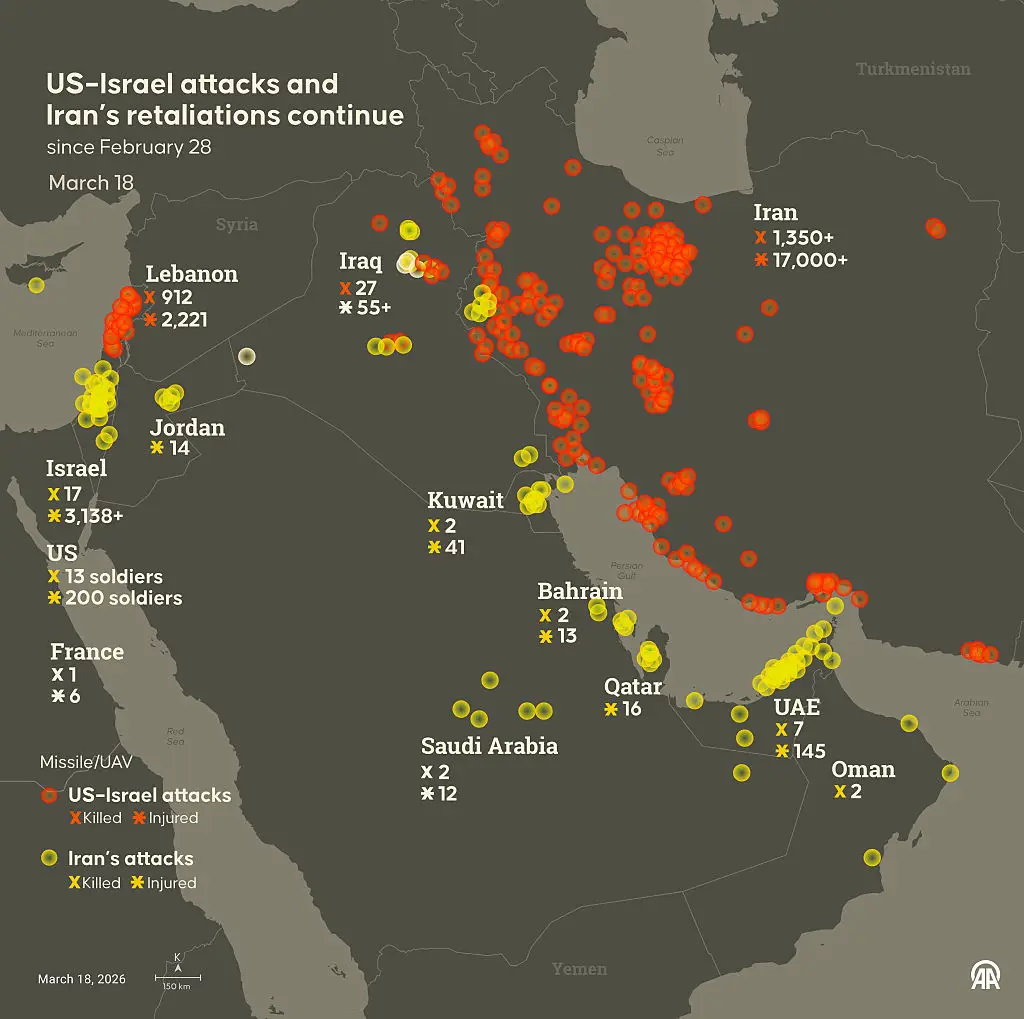
Israeli Defence Minister Israel Katz said the first wave of strikes on Iran last month were 'pre-emptive', aiming to 'remove threats against the state of Israel'.
Meanwhile, US Secretary of State Marco Rubio said earlier this month that the US had to act 'pre-emptively' in case of expected attacks on American forces by Iran.
Underneath all of this, both the US and Israel have also long claimed Iran has been trying to rebuild its nuclear programme. Tehran has consistently denied that it is seeking to develop a nuclear weapon.
Topics: News, US News, Donald Trump
 Gerrard Kaonga