Experts say dangerous phenomenon could explain Learjet 60's fatal crash after chilling final audio emerges

The cause of the a plane crash that claimed the lives of all nine people on board is sparking theories from aviation experts.
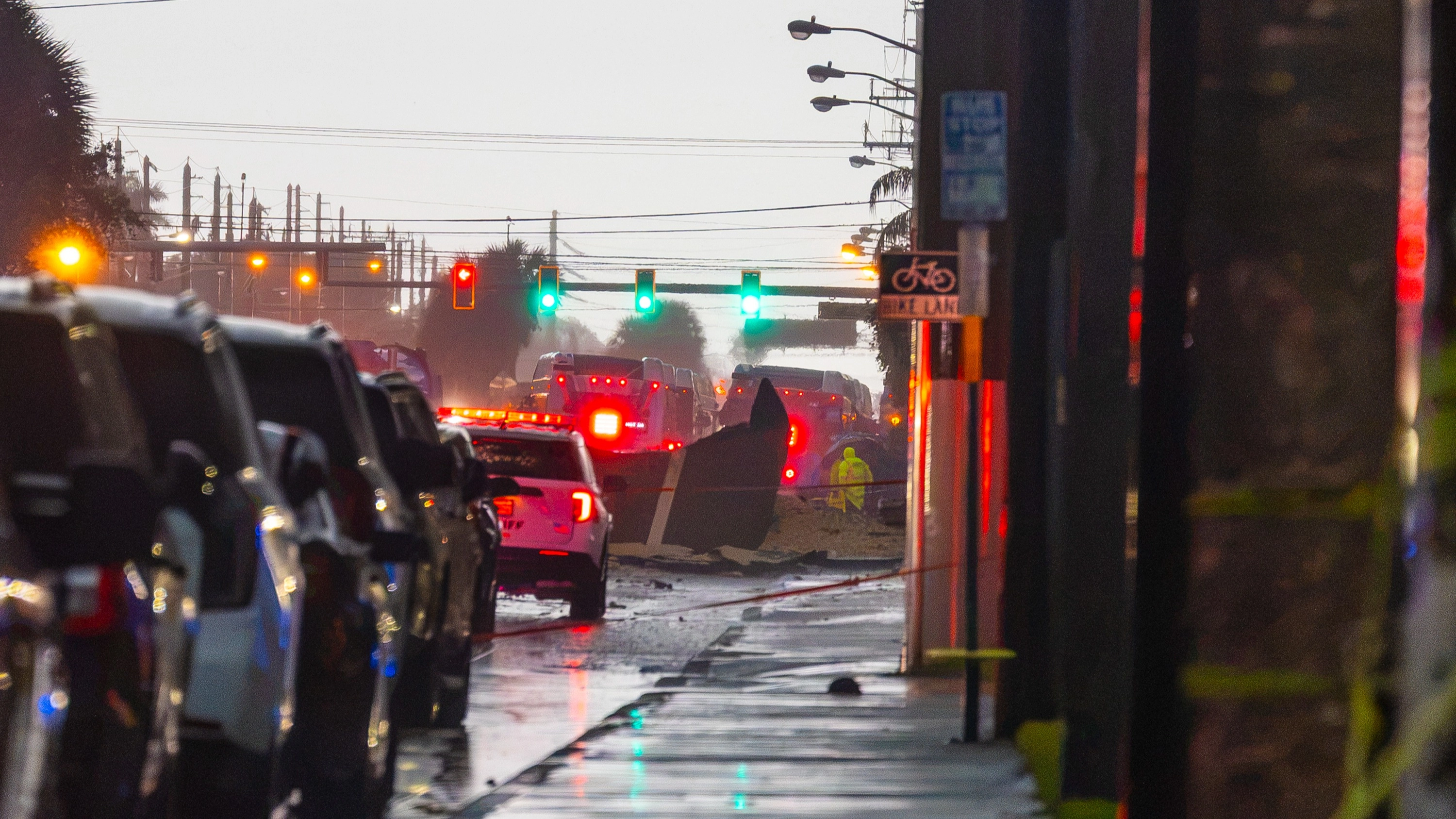
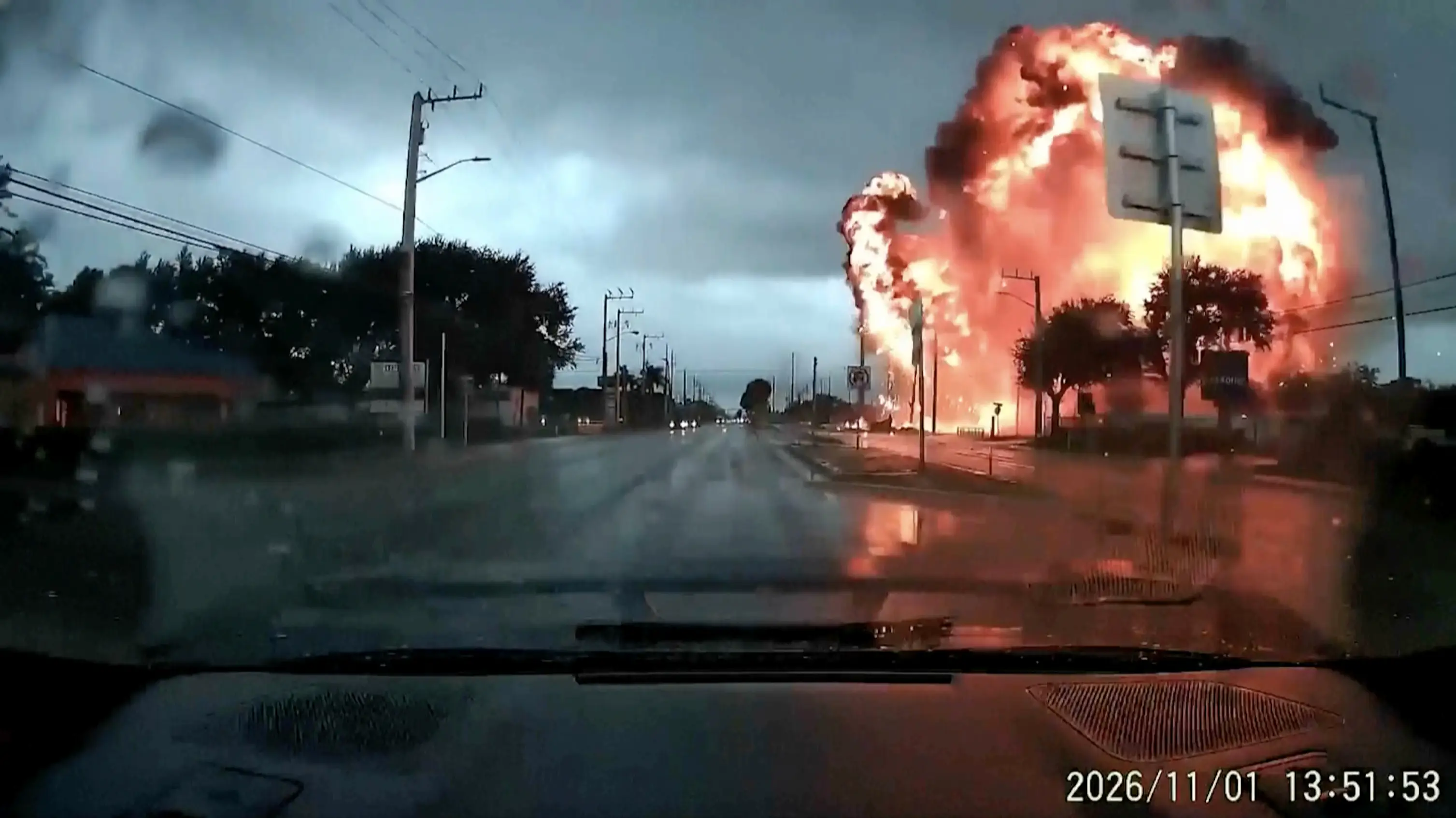
On November 1, a private jet crashed into a South Florida neighborhood and erupted into a ball of flames.
The Learjet 60 came down in Palm Beach County at approximately 12:50pm EST, officials said. The aircraft had been traveling from Austin-Bergstrom International Airport in Texas to North Eleuthera Airport in the Bahamas.
Those onboard the flight have since been named as Adam Robinson, founder and CEO of Retention.com and RB2B, his wife Helen Sharp, their two young children, and the family's nanny Anita Maria Cetina.
Advert
Nathalia Gadelha Filgueiras, a 20-year-old co-pilot, also died in the devastating ordeal, in addition to Rachael Reed and Charmi Fehr.
The identity of the other pilot is yet to be revealed, Sky News reports.
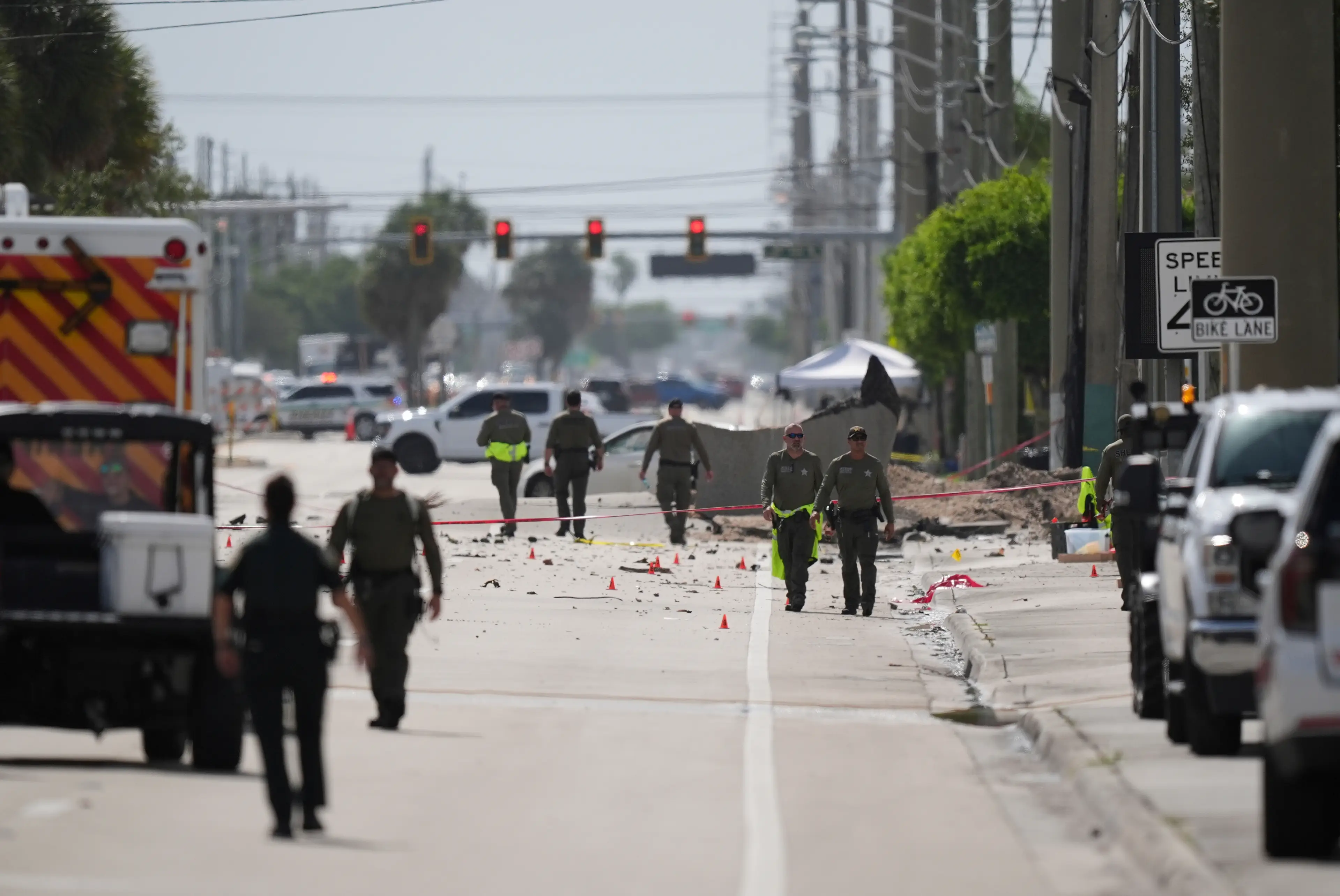
An investigation into the matter is ongoing but in an update given on November 2, investigators said they had found evidence the plane had started to break up before hitting the ground.
Weather conditions on the fateful day will reportedly be a key focus of the investigation.
As officials continue to try find answers as to what happened November 1, aviation experts have been sharing their thoughts on the matter and one thing that's been thrown out is the coffin corner theory.
SKYbrary says of this: "In aviation, coffin corner (or Q corner) refers to the point at which the Flight Envelope boundary defined by a high incidence stall intersects with that defined by the critical Mach number.
"In other words, coffin corner occurs when, for a specific gross weight and G-force loading, the aircraft has climbed to an altitude where the speed differential between the onset of low speed stall buffet and the onset of high speed Mach buffet approaches zero."
It explains further: "As an aircraft climbs towards the altitude that defines its coffin corner, the margin between stall speed and critical Mach number becomes smaller and smaller until the Flight Envelope boundaries intersect. At this point, any change in speed would result in exceeding one or the other of the limits."
In more simple terms, coffin corner is when the minimum safe speed and maximum safe speed narrow into a very small range at high altitude, which makes flying very dangerous.
There are said to be two main scenarios that play out when a plane hits coffin corner: one is that the aircraft slows down too much and stalls, the other is that the aircraft speeds up too much and pilots lose control of it.
Former pilot Martin Varsavsky voiced his thoughts on the matter and threw out the coffin corner theory and how the weather might have played a part as well.
He penned on social media: "What storms do by changing the outside temperature is that airplanes can no longer stay aloft at the same speed.
"It’s called the coffin corner. Or they become very difficult to keep under control."
 Niamh Shackleton