Doctor warns rheumatoid arthritis can affect people as young as 16 as she highlights symptoms to watch for

Many believe arthritis only affects the older generation - but one doctor has warned that this is not always the case.
According to Cleveland Clinic, rheumatoid arthritis (RA) is a type of arthritis where your immune system attacks the tissue lining the joints on both sides of your body.
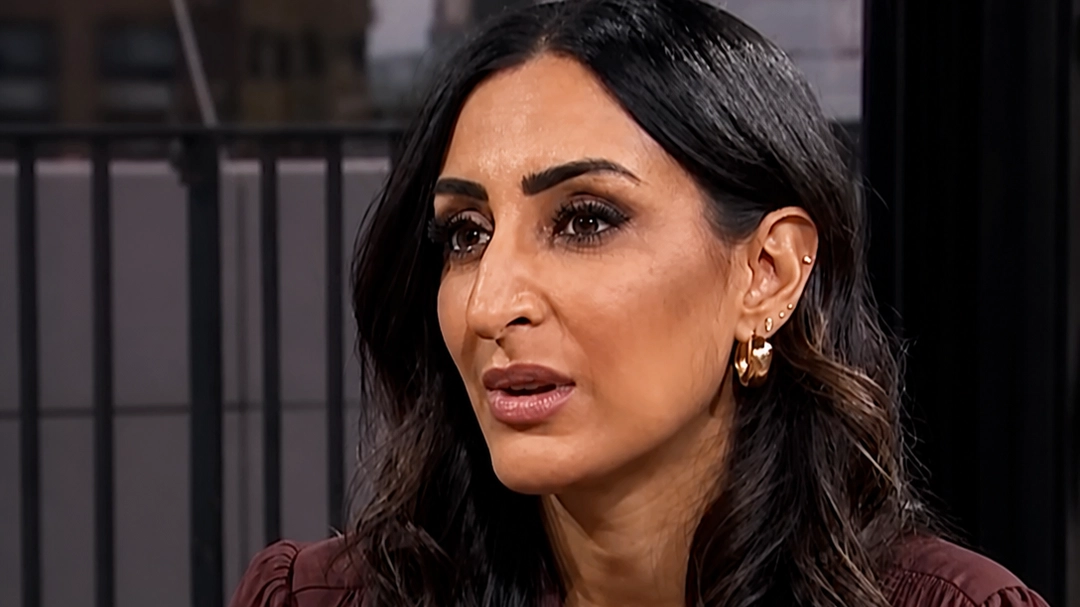
TV doctor Punam Krishan, who is working alongside stairlift and home lift brand Stannah, has warned that the condition can affect those as young as 16. However, some symptoms can easily be overlooked or dismissed as part and parcel of everyday life.
"For younger people, it's often easier to explain away and overlook symptoms that are so commonly associated with older generations," she said.
Advert
"For instance, stiff fingers at the end of the day might be attributed to typing all day at work or manual labour. Tiredness is also often a difficult symptom to monitor or raise as a concern, particularly when you're leading a busy lifestyle.

"Pain and stiffness are the most common joint symptoms that younger people come to me with in the first place," the doctor explained.
"My golden rule is to visit your GP if you're relying on painkillers most days just to get through stiffness or pain. That's your body telling you to get it looked at properly," she added.
In the United States, RA affects approximately 1.5 million adults. As per CDC, arthritis increased from 3.6% in adults ages 18–34 to 53.9% in those age 75 and older.
However, because RA can affect people at such a young age, Doctor Punam admitted that many doctors themselves may overlook the health condition at first. Therefore, she encourages those who have concerns to track their symptoms, and note down when they start happening, whether it be after rest or after exercise.
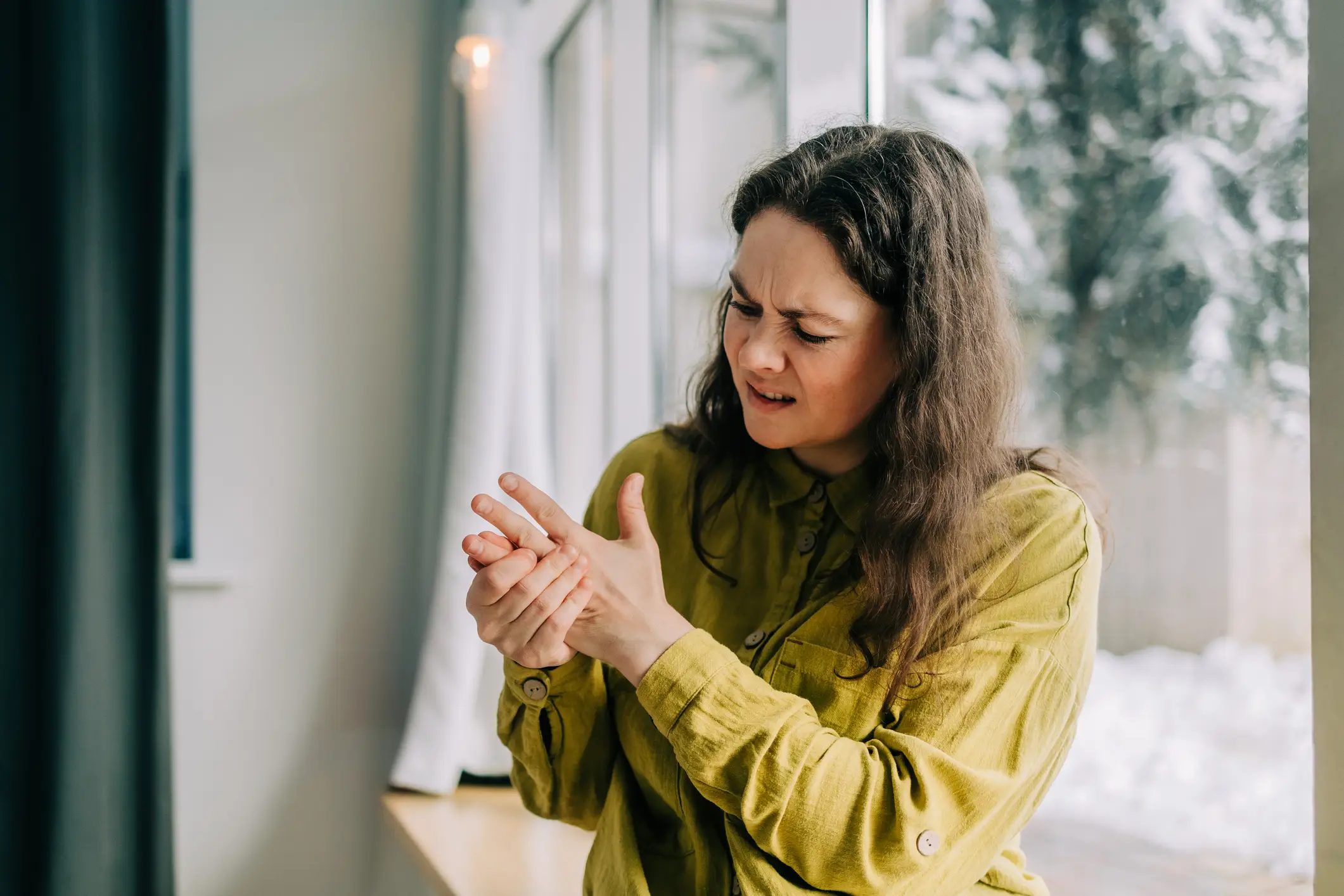
The doctor also warns that the condition may run in the family, and therefore, those who do have family history of the condition should keep an eye out, and mention this to their doctor. Women are also three times more likely than men to develop the condition, but at the moment, there is not enough research to determine why this is.
But how can you tell whether joint pain is simply the result of an injury or a sign of something more serious?
Well, the doc explained that 'most minor sprains and strains start to feel better within around two weeks.'
If someone realizes an injury is taking longer than expected to heal, or swelling or stiffness begins to spread elsewhere, it should be checked out by a doctor.
Topics: Health
 Kiesha Dosanjh