England World Cup winner died from brain condition caused by repeatedly heading soccer ball, coroner rules

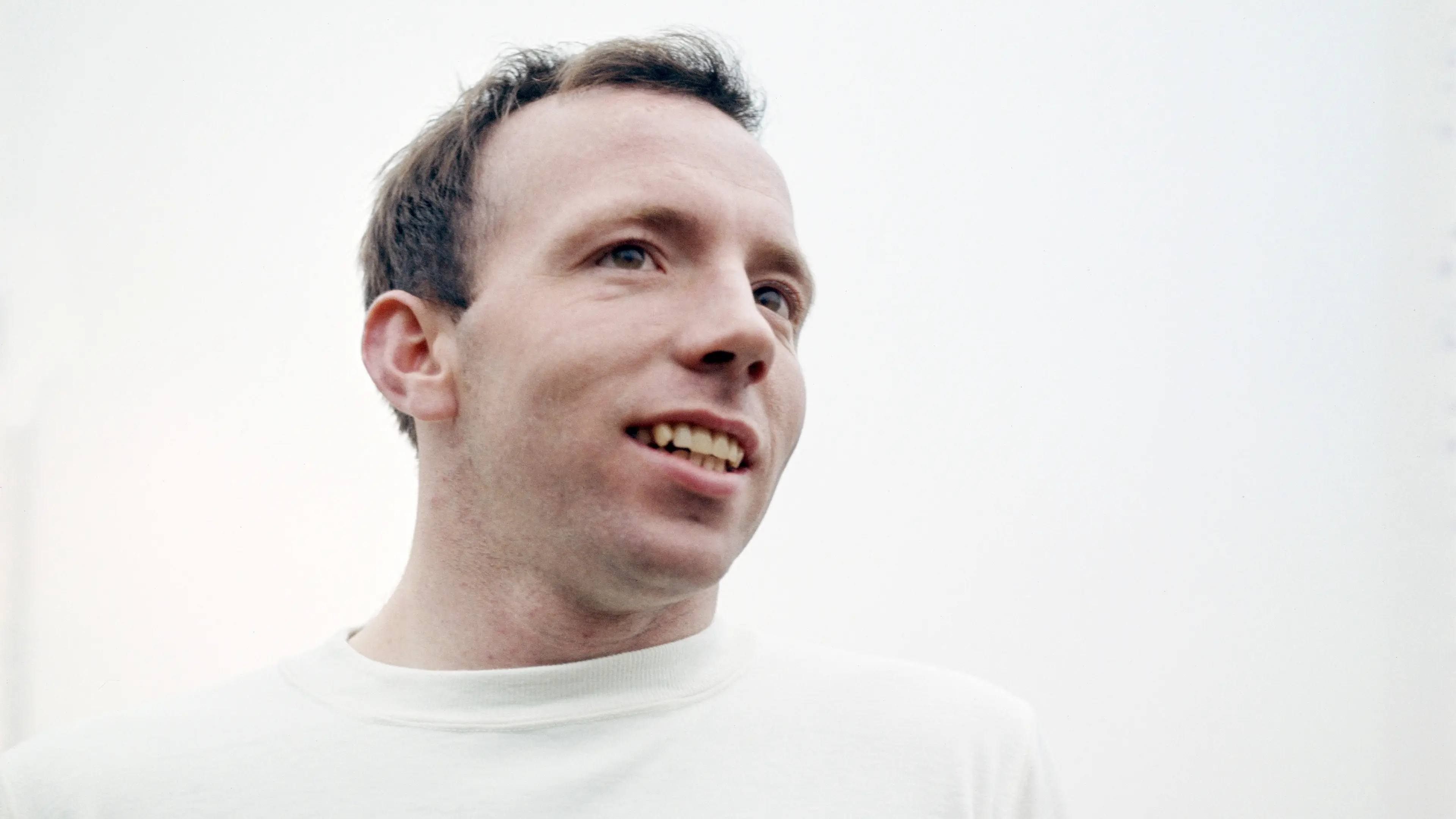
England soccer legend Norbert 'Nobby' Stiles, who was part of the 1966 World Cup-winning team, died from a brain condition caused by the sport, a corner has found.
Stiles, 78, a former Manchester United star, died with severe dementia and had headed a soccer ball around 140,000 times during his career, Stockport Coroner’s Court in the UK heard at the inquest into his death.
The late footballer died in 2020 and experts have since analyzed his brain.
It's now been revealed that Stiles' brain showed his severe dementia was as a result of Alzheimer’s disease but also the rare condition, chronic traumatic encephalopathy (CTE), which has been associated with head trauma from heading a ball.
Advert
Per Mayo Clinic, CTE 'causes the death of nerve cells in the brain, known as degeneration'. The condition worsens over time.
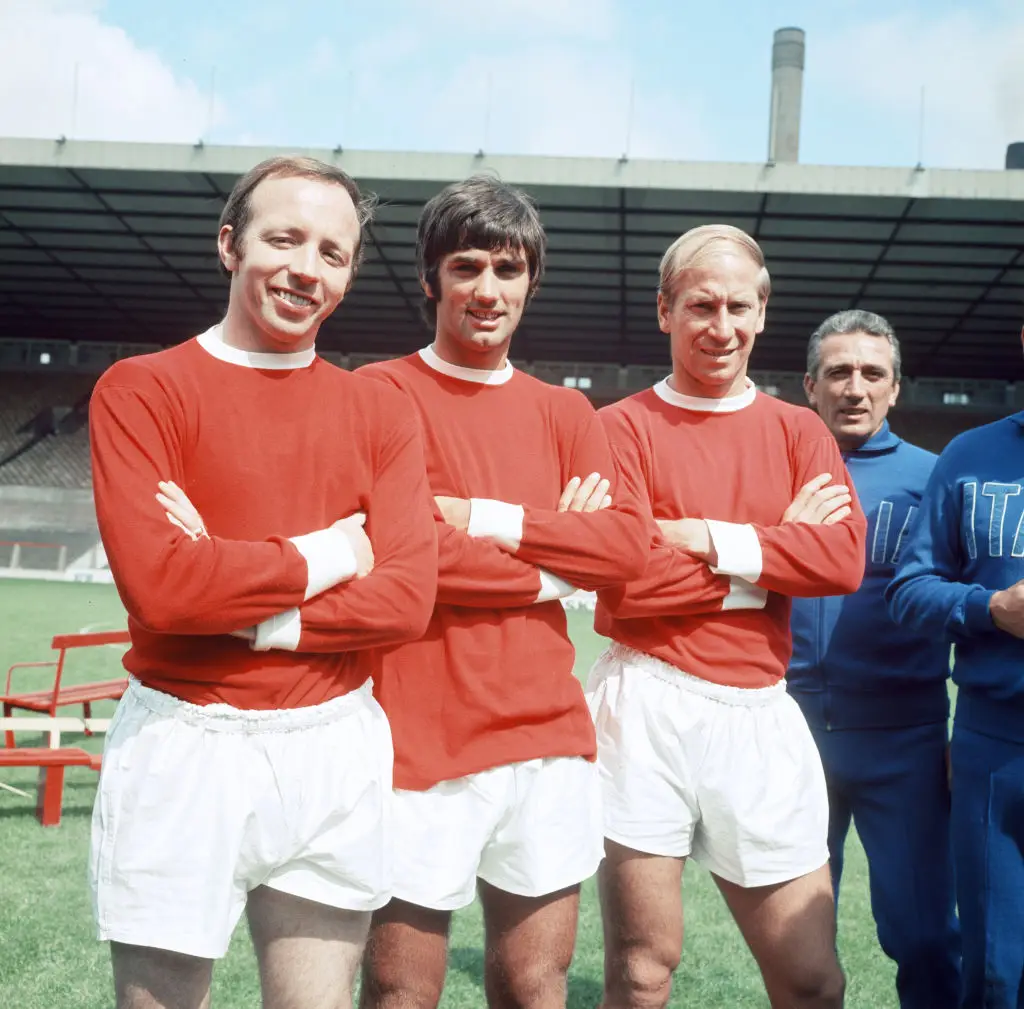
CTE can only be properly diagnosed posthumously during an autopsy of the brain.
Discussing his findings, neuropathology expert Dr Daniel Du Plessis told the court: "I’m quite convinced his heading the football that many times has caused his CTE."
Alison Mutch, senior coroner for South Manchester, asked Dr Du Plessis: "You are saying repeated heading of the ball is the cause of his CTE?"
"Yes," he replied.
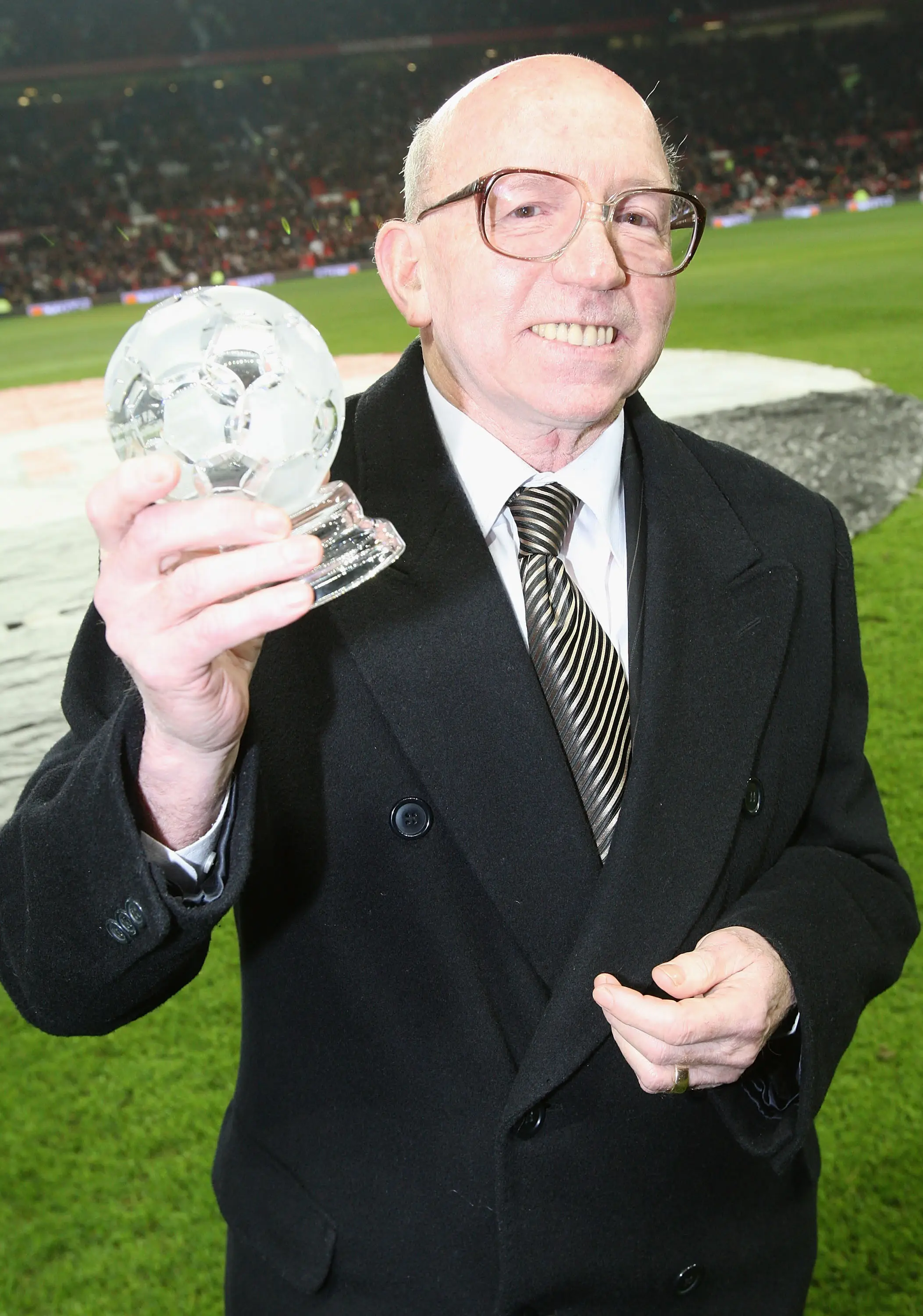
While some people with dementia are still able to have some quality of life while living with the disease, Stiles ended up bed-bound with the illness in the lead up to his passing. He died in a Manchester-based care home on October 30, 2020.
Four years after Stiles' death, his family – who have been campaigning for soccer authorities to do more to help ex-players cope with injuries they claim were caused during their playing days – raised the possibility of CTE as contributing to his death and Dr Du Plessis examined brain tissue samples to reach his medical conclusions.
Stiles' son John has previously said that soccer had 'killed' is father. The soccer star's family first noticed that he began forgetting things and repeating himself when he was in his late 50s.
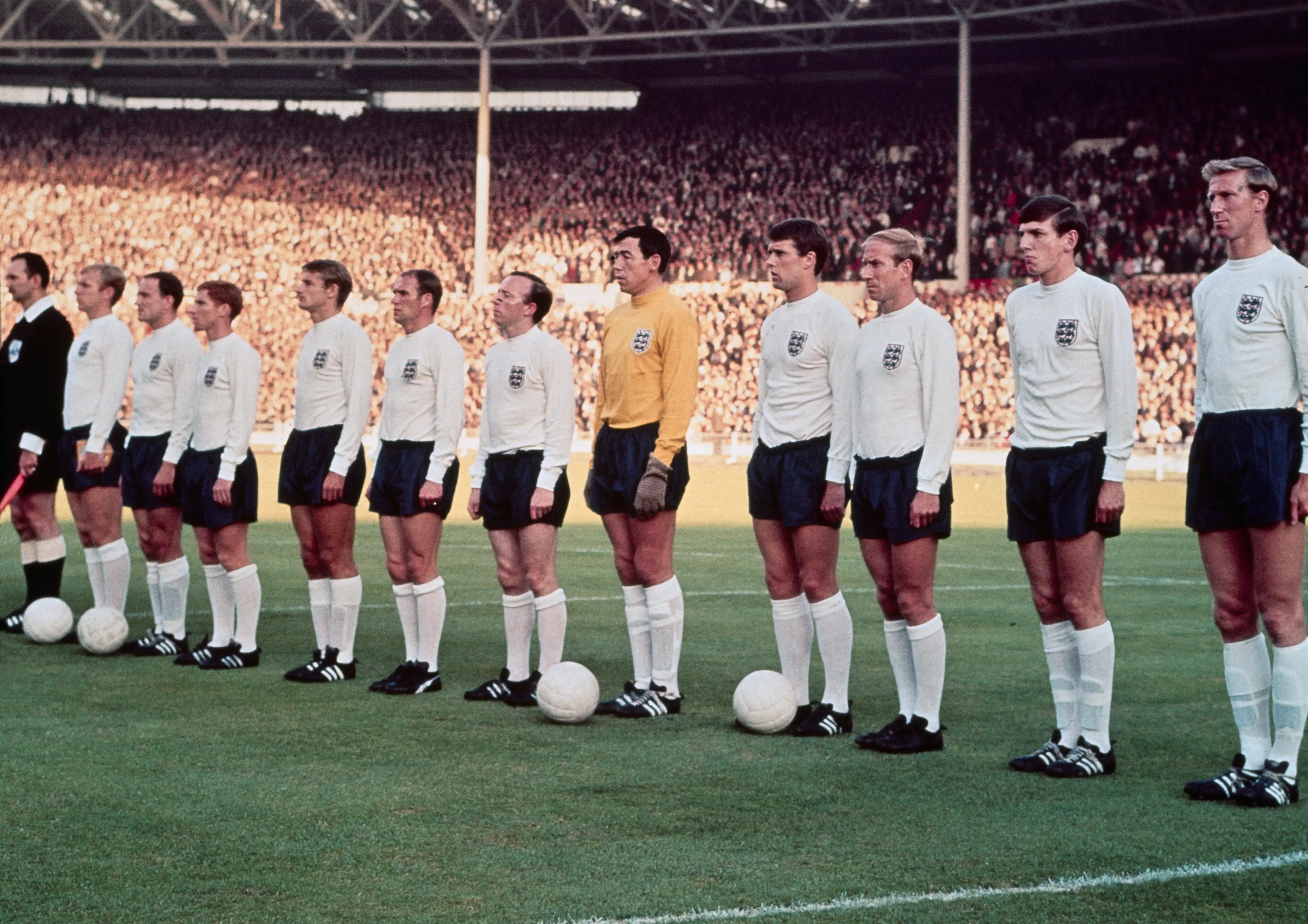
Stiles' son told the hearing: "My dad was very humble, he just happened to have achieved quite a lot.
"It never really changed him. If you went into his house you would never know he was a footballer.
"He was very much a family man, football was left at the door. The family was always the first priority."
If you have experienced a bereavement and would like to speak with someone in confidence, contact GrieveWell on (734) 975-0238, or email [email protected].
 Niamh Shackleton