
Nutritionist reveals why hydration breaks could decide who plays in FIFA World Cup Final

I think we can all agree that hydration breaks at this year's World Cup haven't been terribly popular, but the three-minute break could make all the difference for the players.
Hydration breaks were brought in this year as a result of the extremely hot conditions the teams are playing in this summer.
July is North America's hottest month and temperatures have hit as high as 95°F. Cohost Canada typically experiences cooler temperatures in comparison to the US, but Mexico can also reach 95°F in the summer months.
With the super hot weather in mind, FIFA decided to bring in two three-minute long hydration breaks per match.
Advert
Some people have questioned if the breaks are really necessary, but Warrior Performance Nutritionist Dan Richardson has argued that they very much are – so much so that they could play a key part in who makes it to this weekend's World Cup final.
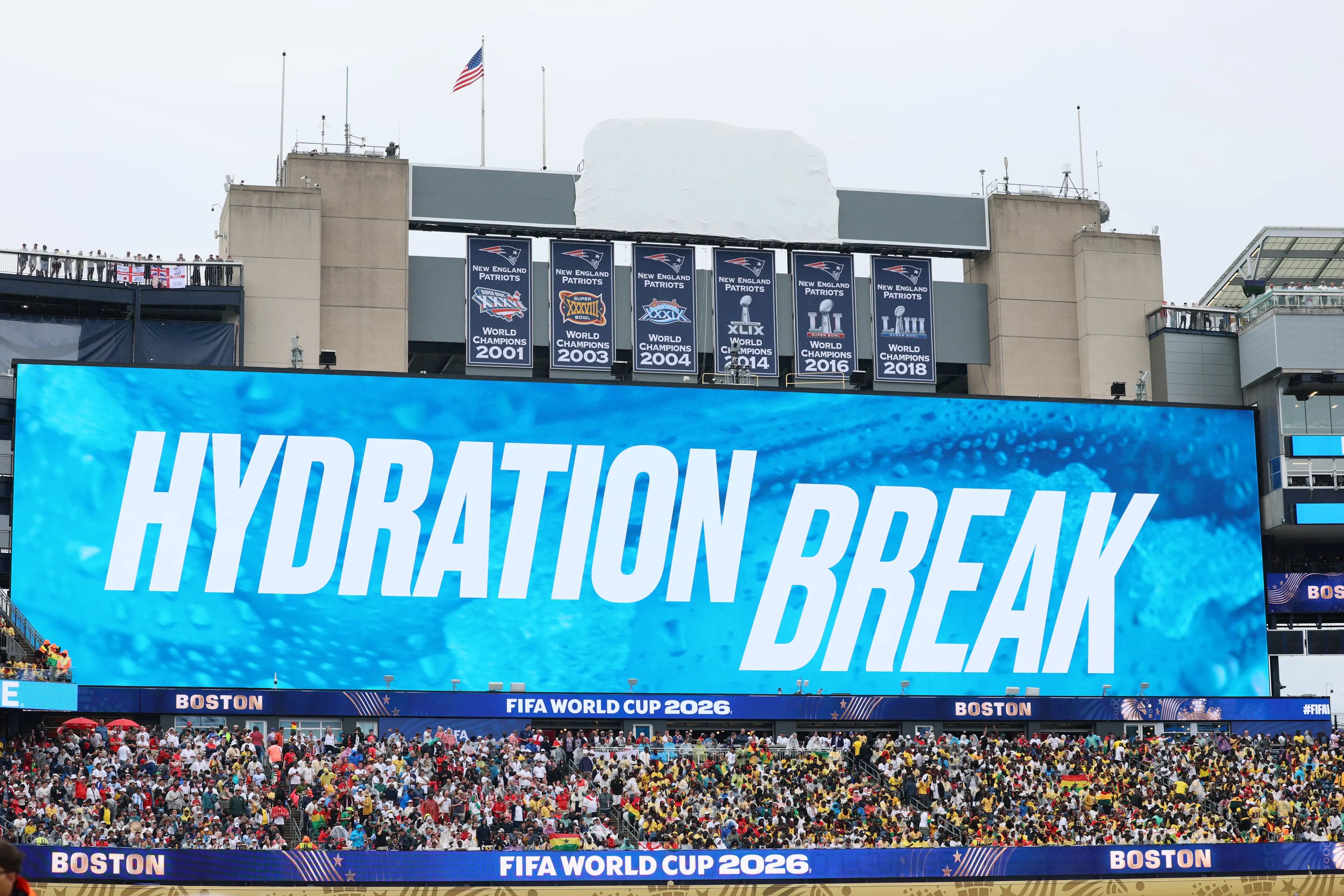
Richardson explained: "The hydration breaks have become one of the biggest talking points of this World Cup, but in temperatures above 30°C (86°F) they're absolutely justified. Players can lose close to a litre of fluid an hour, and sweat is never just water.
"It carries sodium out with it, which is what allows muscles to fire and nerves to signal properly. Lose enough of it and your muscles physically can't work the way they're supposed to, which is why replacing electrolytes matters as much as replacing fluid."
He went on: "Losing as little as two percent of body mass through sweat is enough to affect passing accuracy, shooting and sprint speed, and that drop-off gets worse in the final 15 minutes of a match.
"In a semi-final, that's the difference between making the right pass in the 89th minute and going home instead of playing in Sunday's final."
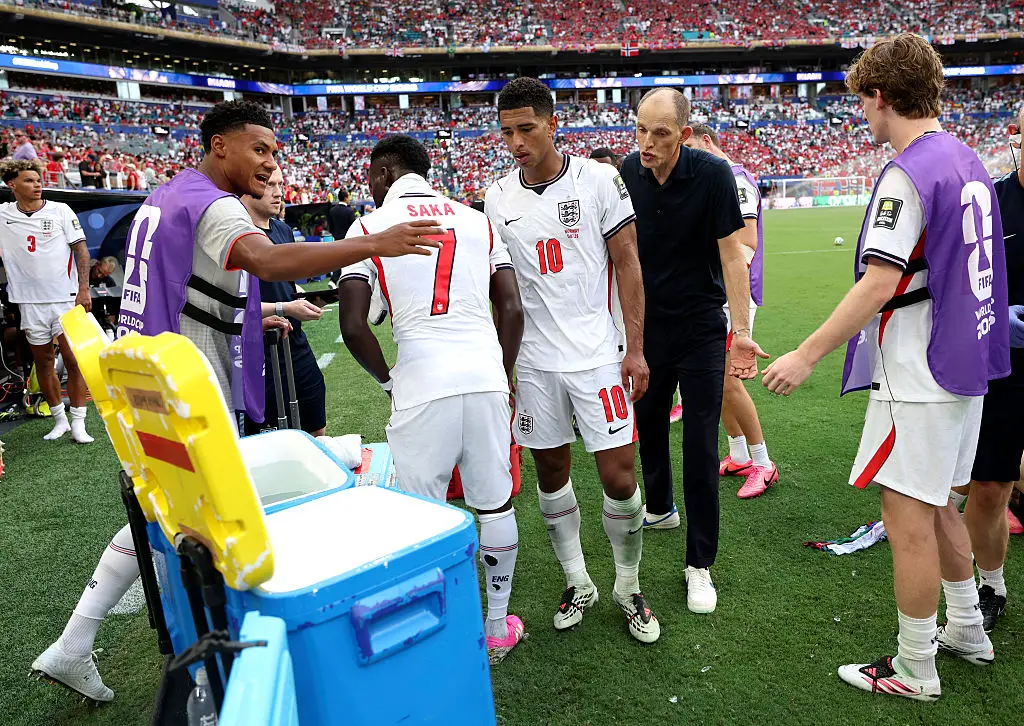
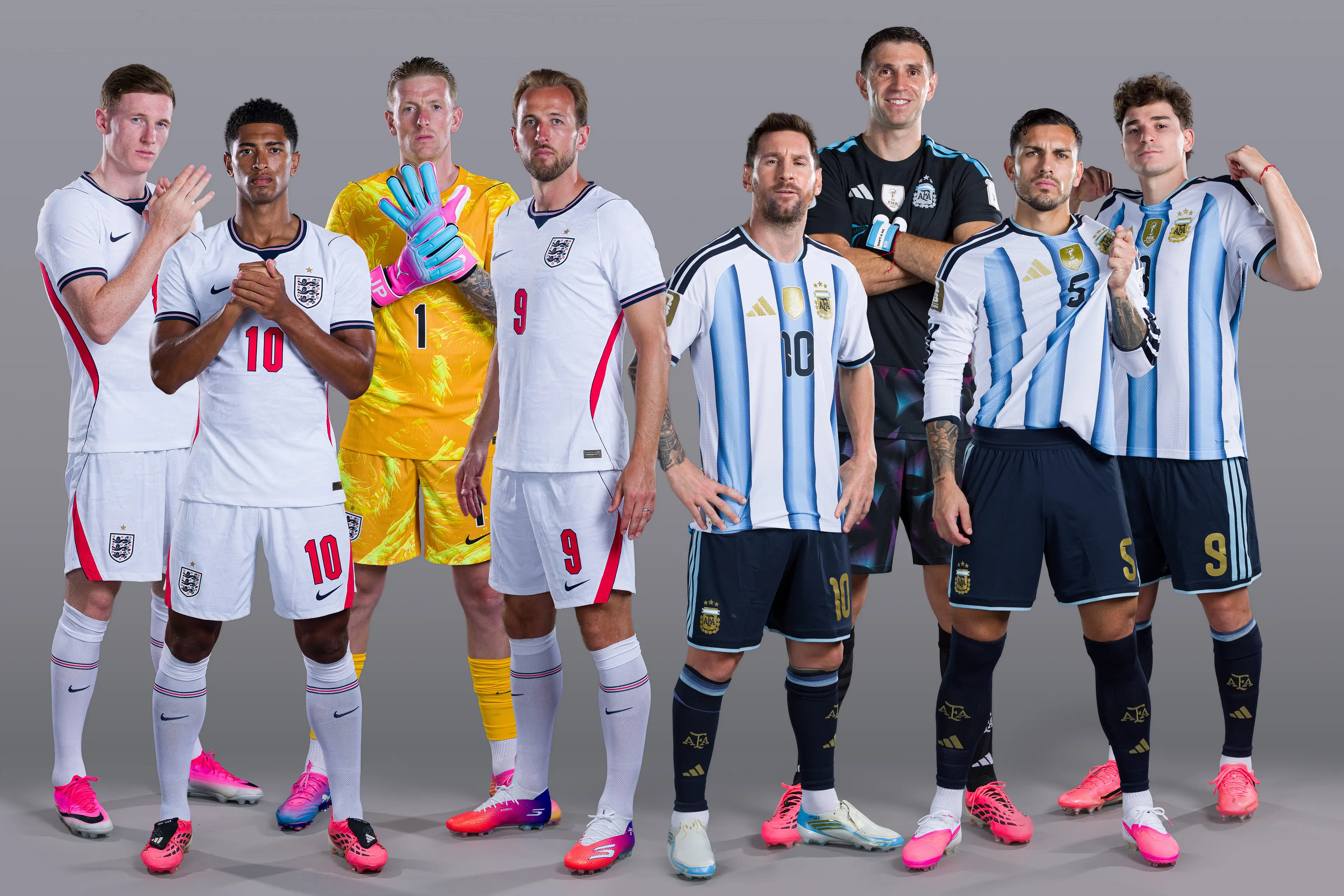
Richardson's comments come ahead of England's semi final game against Argentina today, which will determine who will face Spain on Sunday in New Jersey.
Ismail Elfath will referee the match – a decision that's caused some controversy.
Supposedly Elfath is Argentinian star Lionel Messi's 'favorite referee' and has even been branded as the Inter Miami player's lucky charm.
The decision has lead some people to believe that the World Cup has been 'rigged' to go in Argentina's favor, but others have dismissed the idea an said that Messi is a phenomenal player that needs no help.
Today's semi final action kicks off at 3pm ET and 12pm PT.
New rules for the FIFA World Cup 2026
This year, there’s been a whole host of rule changes, many of which are designed to speed up the game and penalize players who drag things out. Some of the new regulations are likely to prove controversial.
10-second substitution
Subbed players now have to get a move on and leave the pitch within ten seconds by the nearest exit point. If they haven’t, their replacement will get held up by one minute until the next stoppage of play, and until then, their side will have to play with 10 men.
5-second throw-ins and goal kicks
If a referee thinks a player is taking too long for a throw-in or goal kick, they’ll start a five-second countdown, by which time the ball needs to be back in play. If it’s not, for throw-ins the opposing team will get their own throw-in, or for a goal kick the other side gets a corner.

Injured players to remain off the pitch for one minute
An injured player treated by medical staff off-field has to stay off the pitch for one minute, leaving their side with just 10 players.
More VAR
VAR can now be used to review an incorrectly awarded corner kick; second yellow cards resulting in a red card; when a player is incorrectly awarded a yellow or red card for another player’s actions; and any attacking fouls that occur before the ball is in play.
Players can’t cover their mouths
Players who cover their mouths in confrontational situations will be handed a red card. It’s believed players might cover their mouths to guard against lip readers while racially abusing other players, which some suspect has happened in the past.
Red cards for players leaving the pitch
Any player who leaves the pitch in protest over a referee’s decision will be handed a red card, and if a team walks off and causes a match to be abandoned, they’ll forfeit the game.
 Niamh Shackleton