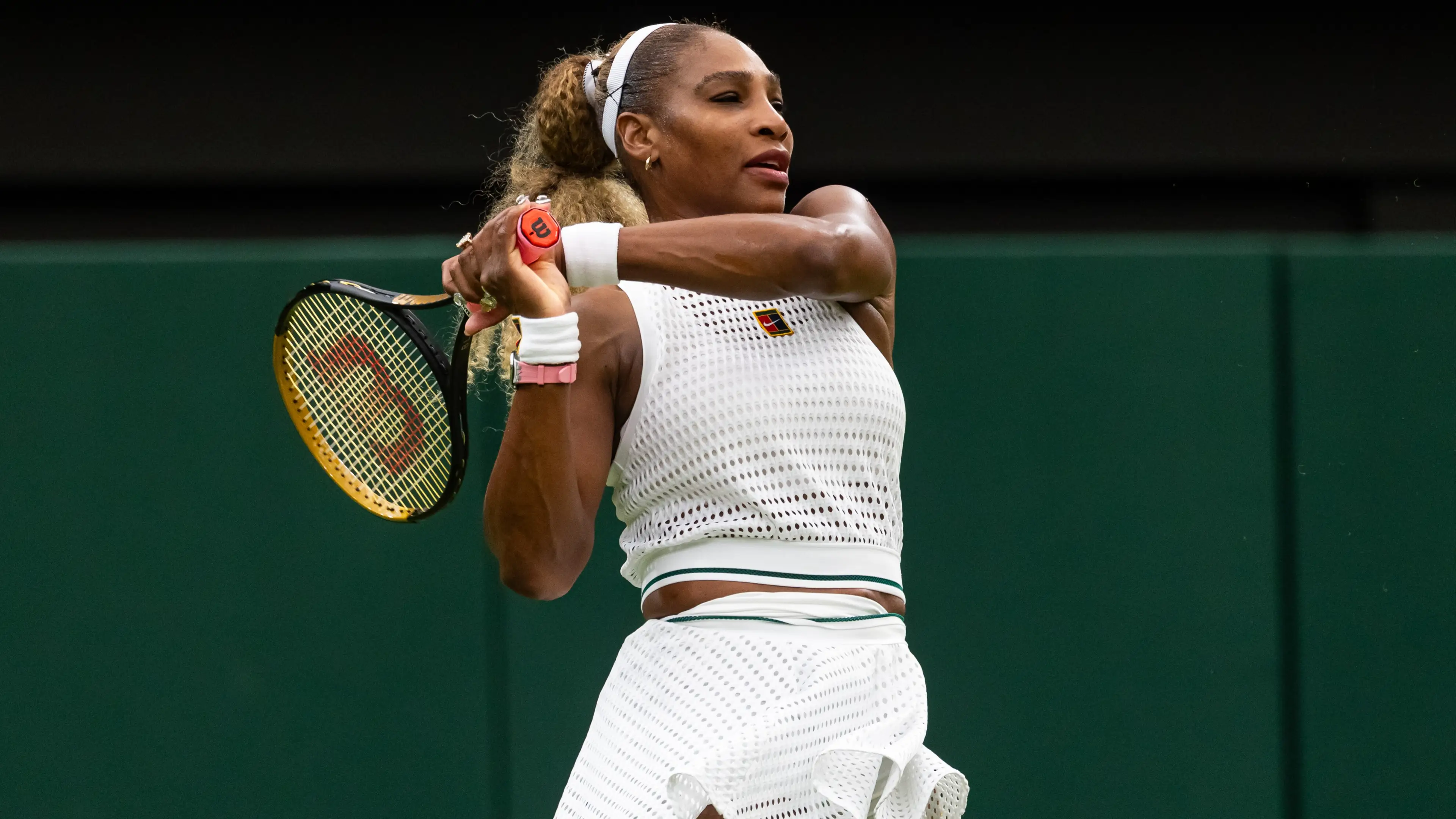
Serena Williams revealed how GLP-1 use impacted her tennis career as she makes Wimbledon comeback

Serena Williams has opened up about how GLP-1s has impacted her tennis career after going public with her decision to take the medication last year.
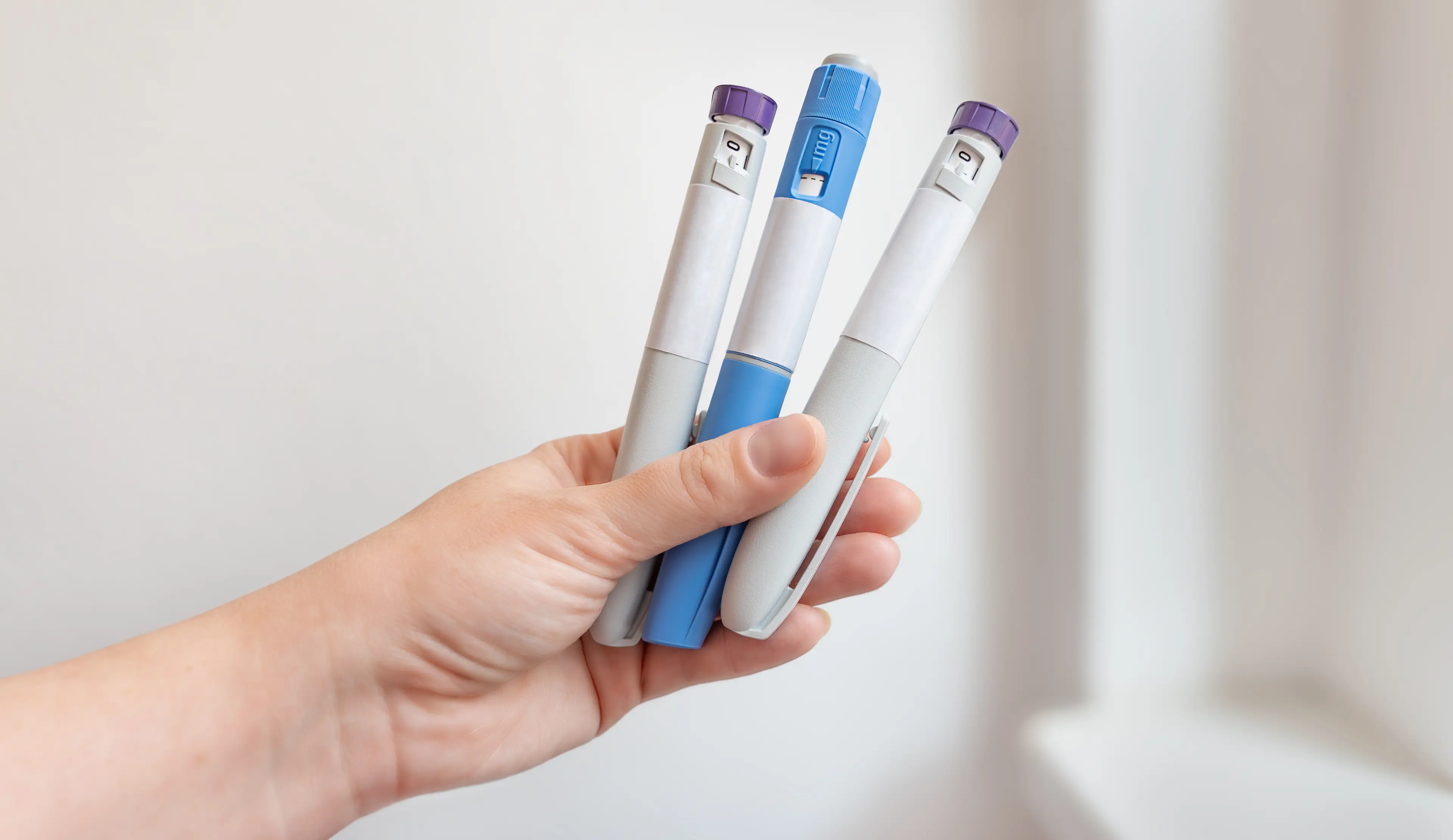
Williams is a 23-time Grand Slam singles champion and sparked conversations last year when said she had used the weight loss drug Zepound to shed more than 30 pounds.
Discussing how she struggled to lose weight naturally, Williams, 44, told Vogue last August: "It was so hard after I had [my first daughter] Olympia.
"I was literally on the court every day, doing nothing else. I had been the ultimate super-athlete, always in competition and being super-healthy my entire life, but I just could never get back to where I needed to be, no matter what I did."
Advert
She then again struggled to shed some weight after welcoming her second daughter, Adria, in 2023.
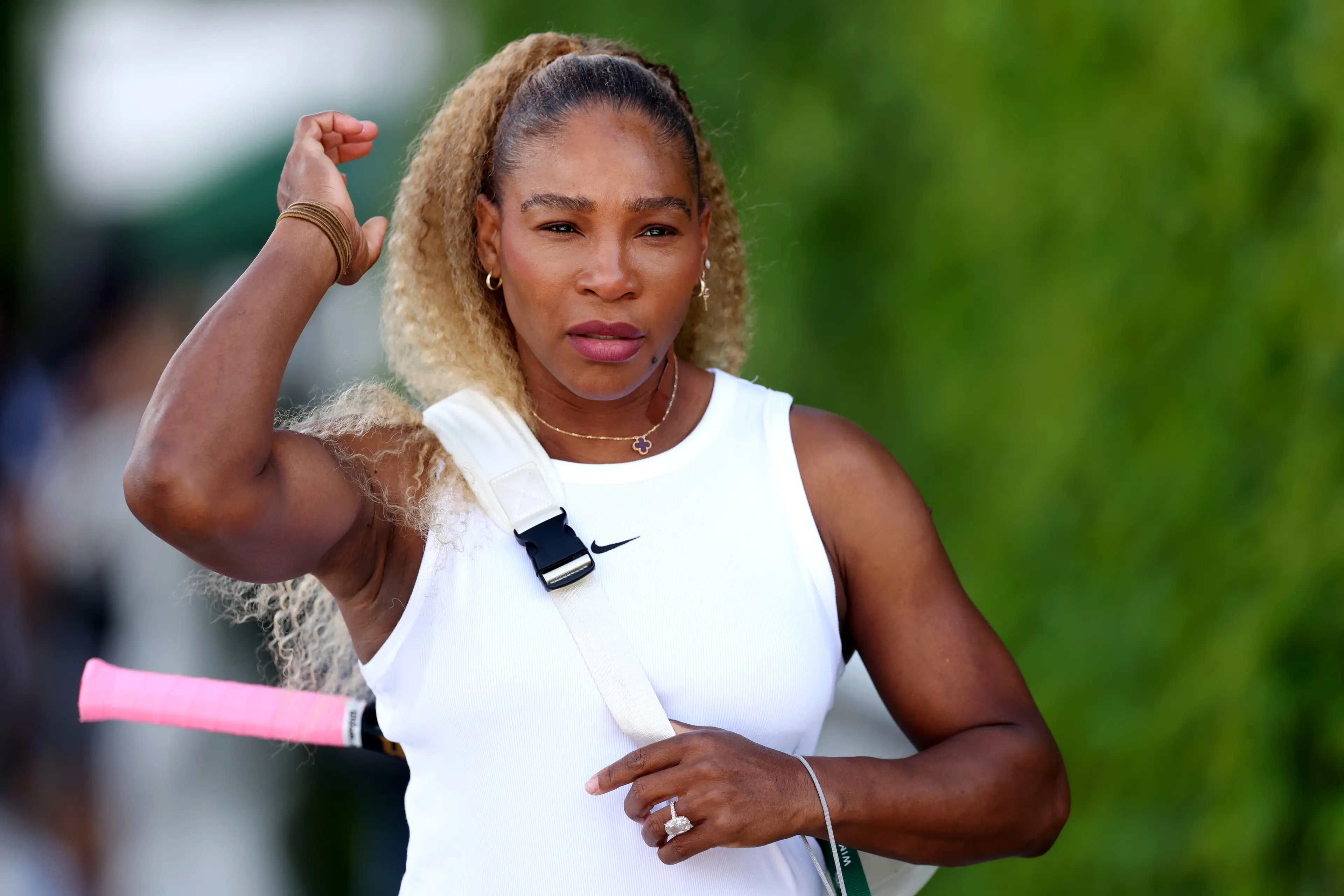
Williams went on to say of the results she's achieved by using Zepound: "I was putting in the work.
"I actually think it’s a problem a lot of other women can relate to, that you are in the gym and eating healthy, but just can’t get to the level you want or need to. I feel lighter mentally, I feel sexier, I feel more confident."
Now the 44-year-old, who returned to Wimbledon for the first time in four years before being knocked out in the first round, has revealed how her weight loss has impacted her tennis career and overall health.
Speaking to NBC News back in January, Williams said that her total cholesterol has dropped 30 percent since 2021, from 185 milligrams per deciliter to 129 milligrams per deciliter. Apparently around 150 milligrams per deciliter is the ideal.
'I feel lighter mentally'
She also revealed that before losing weight she had been at risk of developing heart disease, which the tennis legend didn't know until after starting Zepound.
The weight loss has helped Williams with her knee problems too – something she's struggled with throughout her sporting career – as there's less stress on her joints.
Following her long awaited Wimbledon return, Williams discussed how 'gruelling' it is to get competition ready and how the British championship's protocols nearly put her off making a comeback.
'It's just so hard'
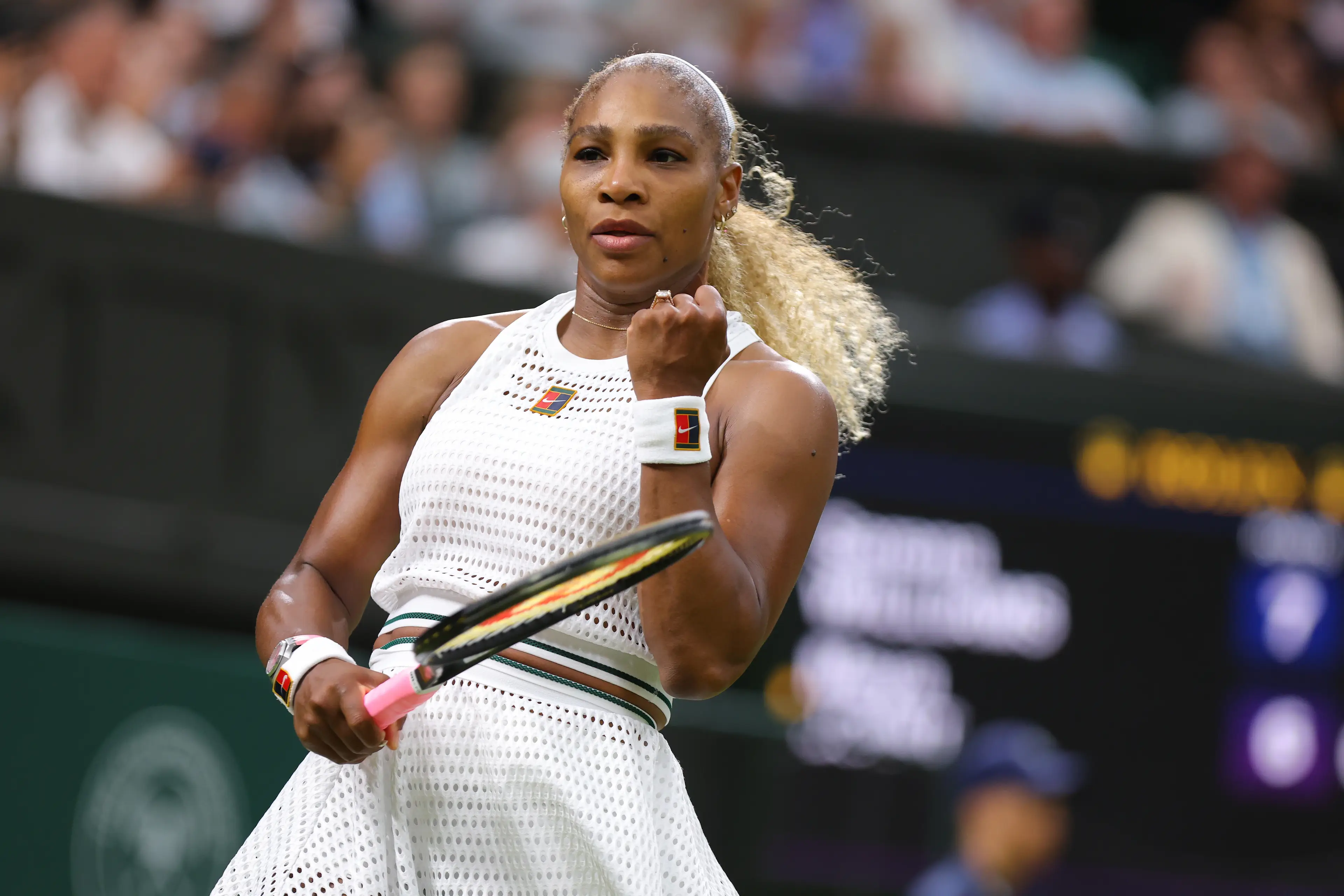
"It's gruelling. That was a big reason why I didn't want to come back either, because it's just so hard," she said, per BBC Sport.
"My life is busy, I run a [venture capital] company, I travel the world. I have children. It's like I could be in so many different cities so many different times."
She went on to say about being part of the tennis anti-doping testing pool: "I didn’t know some of the rules, so apparently like if you miss a test outside of your window, it still counts as miss, and like, so I guess I can’t go pick up my kids."
Under the World Anti-Doping Agency (WADA) rules, athletes must submit to testing whenever requested by a doping control officer, even if the request falls outside their designated testing window.
Topics: Weight loss, Sport, News, Celebrity, Health
 Niamh Shackleton