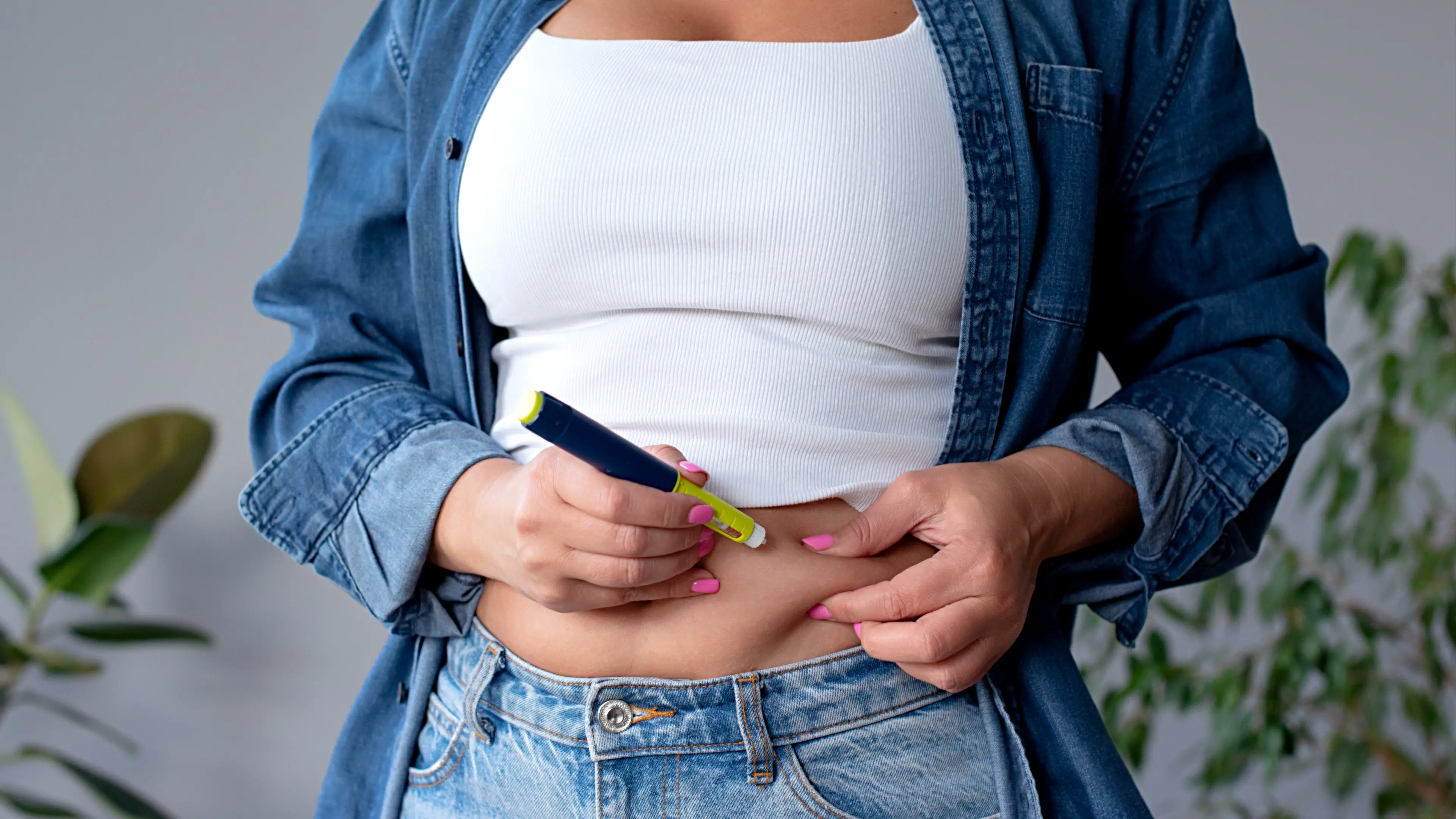
Simulation shows grim reality of what Ozempic actually does to your body once injected

A simulation has revealed just how Ozempic works inside the body after it's injected.
The drug is one of several GLP-1 medications which have seen an explosion in popularity for their effectiveness in supporting weight loss.
While Ozempic itself was licensed for the treatment of Type 2 diabetes, the way that it and similar GLP-1 medications work was shown to help with weight loss as well, when combined with diet and exercise.
Since this use came to light the medications have seen an enormous increase in popularity, including a number of celebrities who have also gone onto the medication, further expanding its reach and popularity.
Advert
People such as Sharon Osbourne, Rebel Wilson, and Oprah Winfrey have all confirmed that they use GLP-1 medications.
The branded medication Ozempic itself is not actually licensed for weight loss, though semaglutide medications from other manufacturers are licensed for that purpose.
While many people have taken to social media to share their before and after photos of using the medication, less focus has been placed on how it works internally.
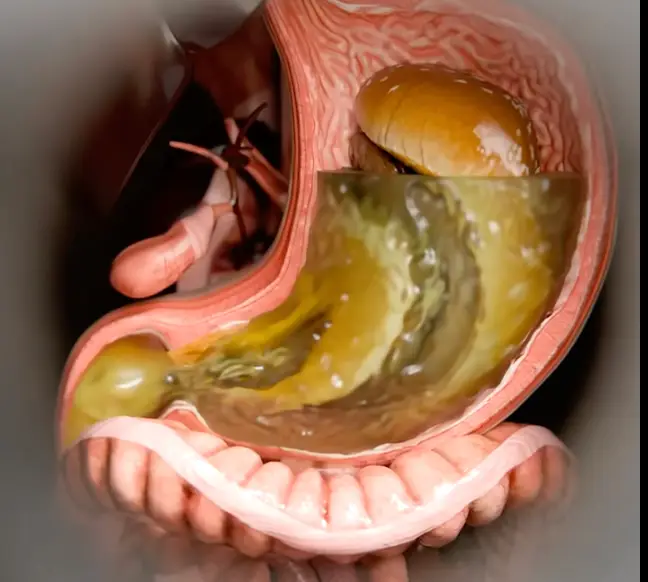
A YouTuber who uses the handle @ZackDFilms has shared a video which shows how the medications work after being injected, and fair warning it may not be one for the squeamish.
Ozempic and other GLP-1 medications work by using a particular hormone to help the body regulate blood sugar, but this also helps someone to feel full on less food.
“Once Ozempic is in your bloodstream, it activates the part of the brain that make you feel full, reducing your appetite," the video says.
Stabilizing blood sugar is of course important in treating diabetes, and it also reduces food cravings as well.
Heads up, because this is where it gets a little potentially icky for some people.
Another effect of the medication is that it stops your stomach emptying as quickly as it normally would, which in turn contributes to feeling fuller for longer.
However, one of the side effects of the drug as a result of this is that you could feel sick or suffer from diarrhea.
But while the video was a little gross at times, people were still fascinated by what it showed.
Dr Ben Bickman, a scientist and professor at Brigham Young University in Utah, explained that there could be another side effect as well.
"You have a substantial amount of lean mass that's getting loss as the person is losing weight. To make that clear, for every ten pounds of weight loss, only six is fat - four of it is coming from non-fat sources like muscle and bone," he told Thomas DeLauer.
Dr Bickman added: "While muscle and bone mass might never return, the body has no trouble regaining fat mass.
"What's more, one study found that one version of these drugs, actually stimulates the production of new fat cells."
He continued: "This becomes a problem because when a person start to regain fat mass after stopping Ozempic, with more fat cells comes a greater potential to gain more fat.
"As a result, even though a person may still weight less than they did before starting the drug, they may be fatter, with a higher percentage of body fat."
Topics: World News, Ozempic, Health
 Kit Roberts