
Scientists make major discovery as they find male contraceptive that stops sperm production

Scientists say they have inched closer to making a reversible male birth control a reality.
When it comes to contraception, women often take on more of the responsibility, using methods like pills, implants or intrauterine devices (IUDs). Some of these can have side effects, including mood changes, weight gain or, in rare cases, blood clots.
However researchers believe they are are edging closer to coming up with a drug that could pause male fertility temporarily during a specific stage of sperm production. Once the drug is no longer taken, everything goes back to normal.
A drug called JQ1 blocks a sperm-production protein called BRDT, this was already known to scientists. However, new research has delved deeper into why it works, how the body returns to normal when it is no longer administered, and where in the sperm production process the male contraceptive pill should target.
Advert
There have long been concerns of the risk of permanent fertility if stem cells are targeted at the very beginning of the sperm production process. If the sperm are targeted once they are fully formed, some may still be functional to fertilize an egg resulting in pregnancy.

The research team have mapped the molecular and genetic recovery of the sperm in detail, finding a process for a safe, reversible, and importantly, hormone-free contraceptive for men. Scientists believe they have identified a middle phase that is early enough to ensure stem cells are still intact and ready to restart.
“We’re practically the only group that’s pushing the idea that contraception targets in the testis are a feasible way to stop sperm production,” said Dr Paula Cohen, corresponding author and genetics professor in the Cornell University College of Veterinary Medicine.
Researchers wanted to see if a safe target for male contraception could be meiosis — the stage in sperm production where chromosomes pair up, swap genetic material, and then separate into individual sperm cells.
They gave male mice a daily injection of a drug called JQ1 for three weeks. The drug blocks a key protein called BRDT, which only turns on during sperm production.
After treatment, they measured sperm count, testicle size, and whether the mice could still father offspring.
They also examined individual cells under a microscope and used genetic sequencing to see which genes were turned on or off.
After three weeks of daily JQ1 injections, the male mice were infertile — unable to get females pregnant. Their testicles shrank, their sperm counts dropped sharply, and tissue analysis showed that sperm development had stalled after the early stages.
The cells reached the point where they should have become mature sperm, and then stopped.
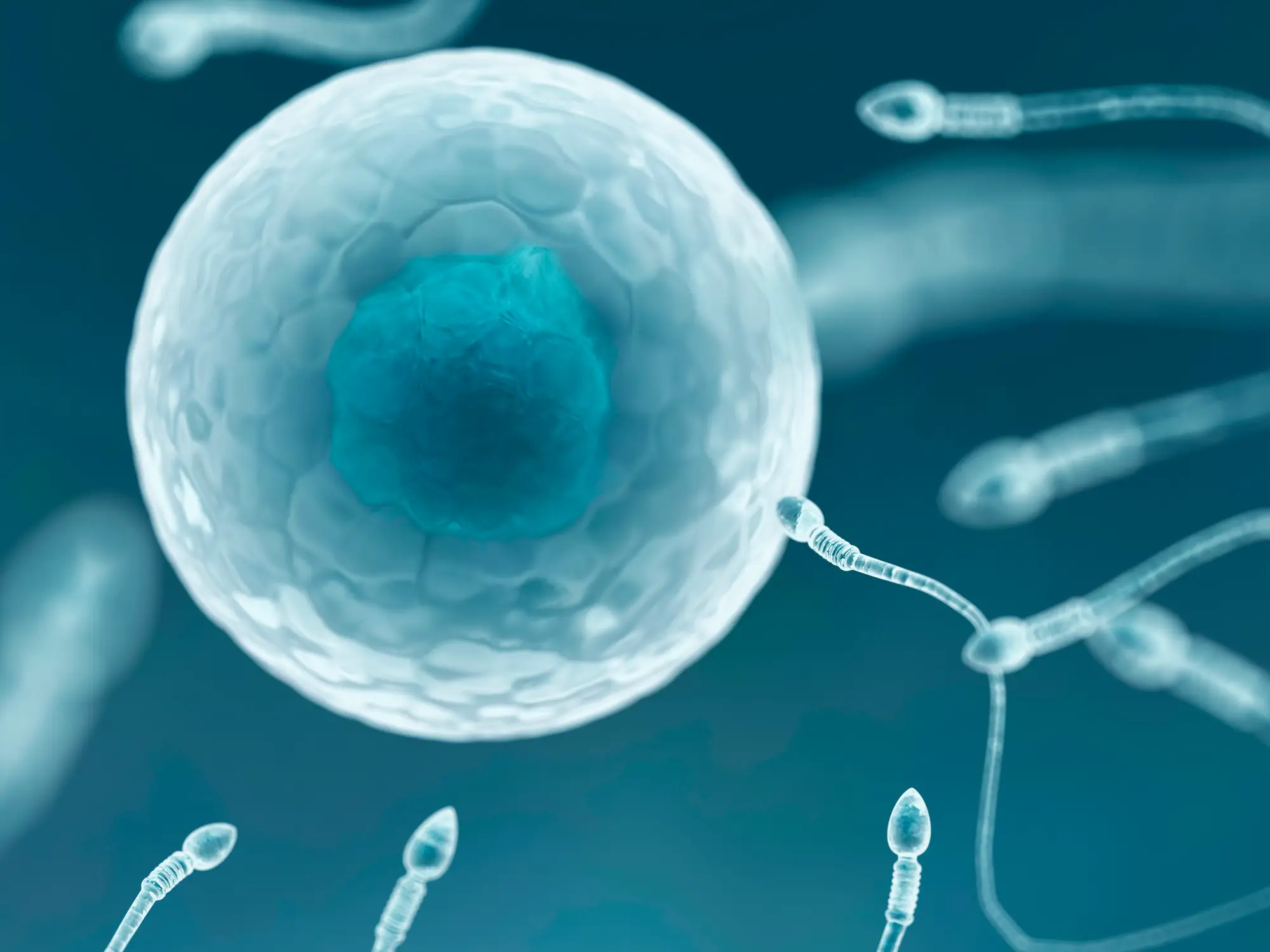
The researchers confirmed this by studying gene activity. The normal ‘transcriptional burst’ that happens during a specific phase of meiosis had been silenced.
After they stopped administering the drug, researchers waited six weeks and measured sperm counts, testicle size, chromosome pairing, and gene activity.
Basic measures, including testis size and sperm counts, returned to normal, and the mice could father offspring again, though the first litters were smaller.
But when the researchers looked more closely, they found ongoing problems. The genetic crossover points, where chromosomes exchange DNA, a critical step for healthy sperm, had not fully recovered yet.
They found that some sperm still looked misshapen under the microscope and certain gene programs linked to sperm energy and movement remained disrupted. These deeper changes took much longer to recover, about 30 weeks, or seven months.
After this period, they noticed that the genetic crossovers, gene activity, and sperm shape become indistinguishable from untreated mice.
Even though some molecular and structural features of sperm took much longer to fully return to normal, this delay did not lead to fertility problems or birth defects in offspring. The mice eventually recovered completely, and their babies were healthy.
"Our study shows that mostly we recover normal meiosis and complete sperm function, and more importantly, that the offspring are completely normal," Cohen said, per Science Daily.
Topics: Parenting, Science, Health, Sex and Relationships
 Greg Harris