
Criminal lawyer reveals the one mistake that makes murder suspects appear instantly guilty

From fingerprints on the murder weapon to CCTV footage placing someone at the scene, there are plenty of obvious ways a killer can get caught.
But a criminal lawyer with decades of experience says there's one subtler mistake that raises red flags almost immediately, and it has nothing to do with physical evidence.
Julian Hayes, a criminal lawyer and High Court advocate who has worked on more than 30 murder cases, has revealed that the thing most likely to sink a suspect early on is something far simpler: inconsistencies in their story.
Speaking exclusively to VT.co, Hayes said: "Inconsistencies in their story about what they were doing at the time, whether it was an alibi, or whether it is, 'I was there, but I wasn't involved'. So there are a lot of inconsistencies in what they're saying."
Advert
What are the biggest signs a criminal is lying?
Hayes was quick to point out that every case is different, but timing errors are among the most common giveaways.
"Things like timings, things like people who they were with or not with," he explained. "They might actually say, 'Well, a certain television programme was on at that time, or a particular event was on', and it might not actually have been on."
It sounds almost mundane, but those small details are exactly what investigators are trained to pick apart. Once a timeline starts to unravel, the rest of a suspect's account tends to follow.
Beyond the story itself, Hayes says that phone data has become one of the most powerful tools investigators have at their disposal, and one of the hardest things for suspects to account for.
"The other big giveaway is once you get the telephone evidence from the police," he said.
"When they've had a look at the telephone evidence, and they discover that your client's telephone was actually somewhere different from where your client says he was , so cell site evidence is one of the biggest giveaways."
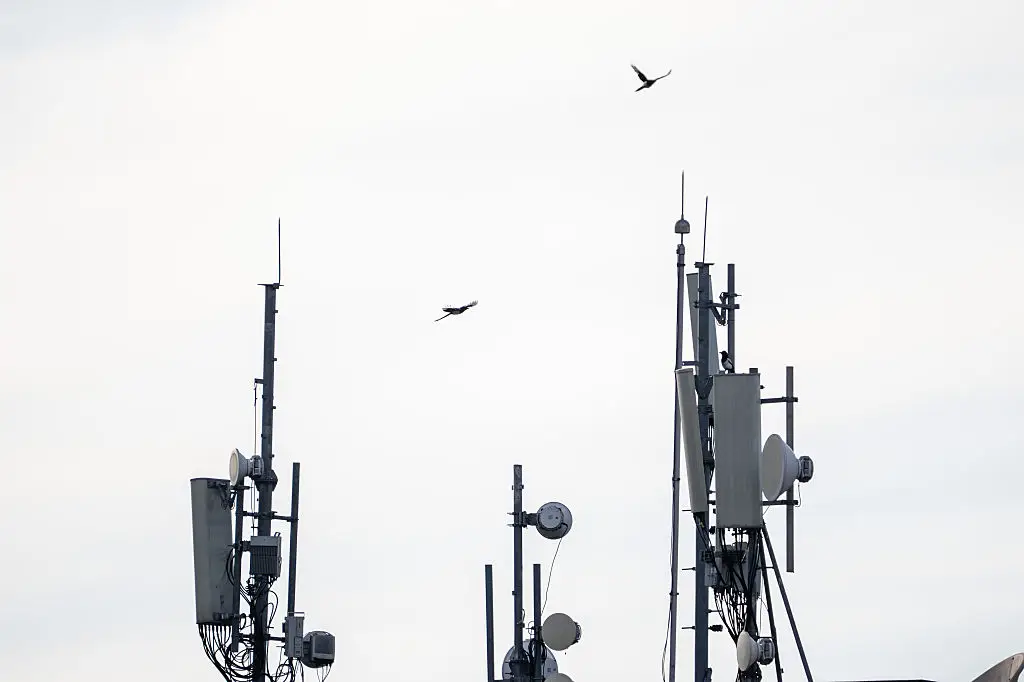
Cell site analysis works by tracking which phone masts a mobile device connected to at a given time, allowing investigators to build a picture of where someone was and crucially, where they claimed to be.
It has become a central tool in murder investigations and serious assault cases, and it's increasingly difficult for suspects to argue against.
 Thomas Bamford