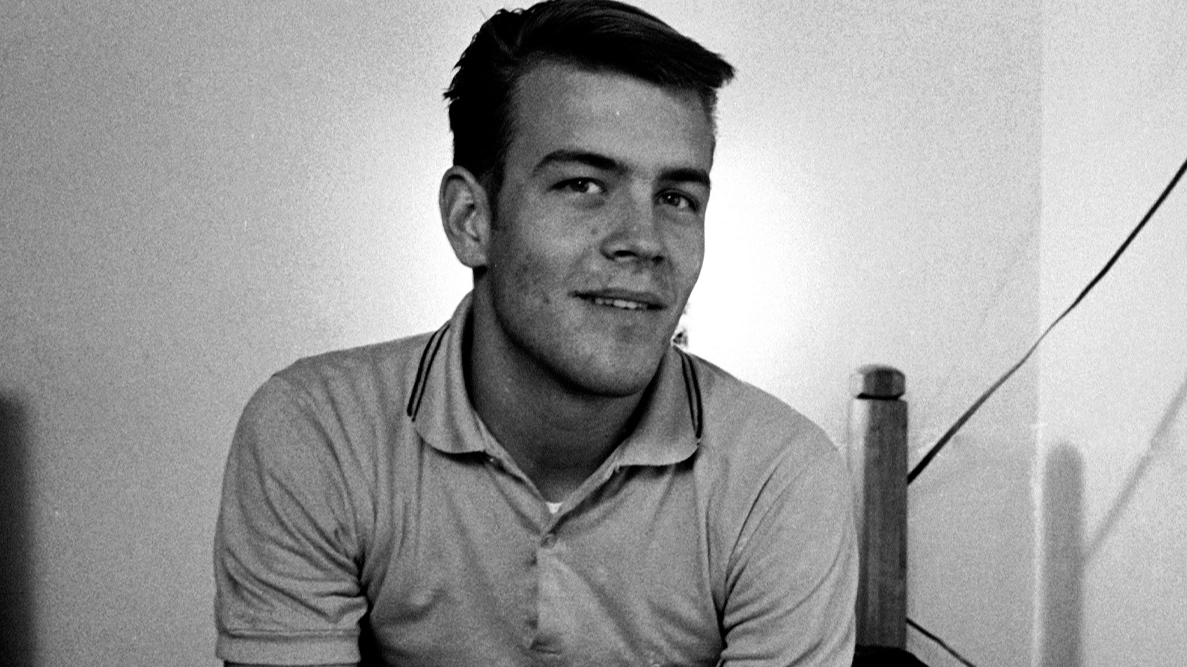
Man who didn't sleep for a record 264 hours suffered from crippling effects lasting years after

Two students once embarked on a school science project to see how long they could stay awake for, not realizing it would have a lasting effect on their lives.
The year is 1963; Martin Luther King Jr. delivers his ‘I Have a Dream’ speech during the March on Washington for Jobs of Freedom; Beatlemania really ignites, and JFK is assassinated in Texas while riding in a motorcade with his wife.
1963 is also the year that 17-year-old Randy Gardner and his friend Bruce McAllister make a pact to stay up for a staggering 264 hours.
Their idea was that they would smash a world record (260 hours) and ace their science assignment, meanwhile discovering what really happens to a human’s brain if they don’t get enough sleep.
Advert
Speaking about the origins of the test, McAllister recalled that they had initially wanted to explore the effect of sleeplessness on paranormal ability.
"We realised there was no way we could do that, and so we decided on the effect of sleep deprivation on cognitive abilities, performance on the basketball court. Whatever we could come up with."
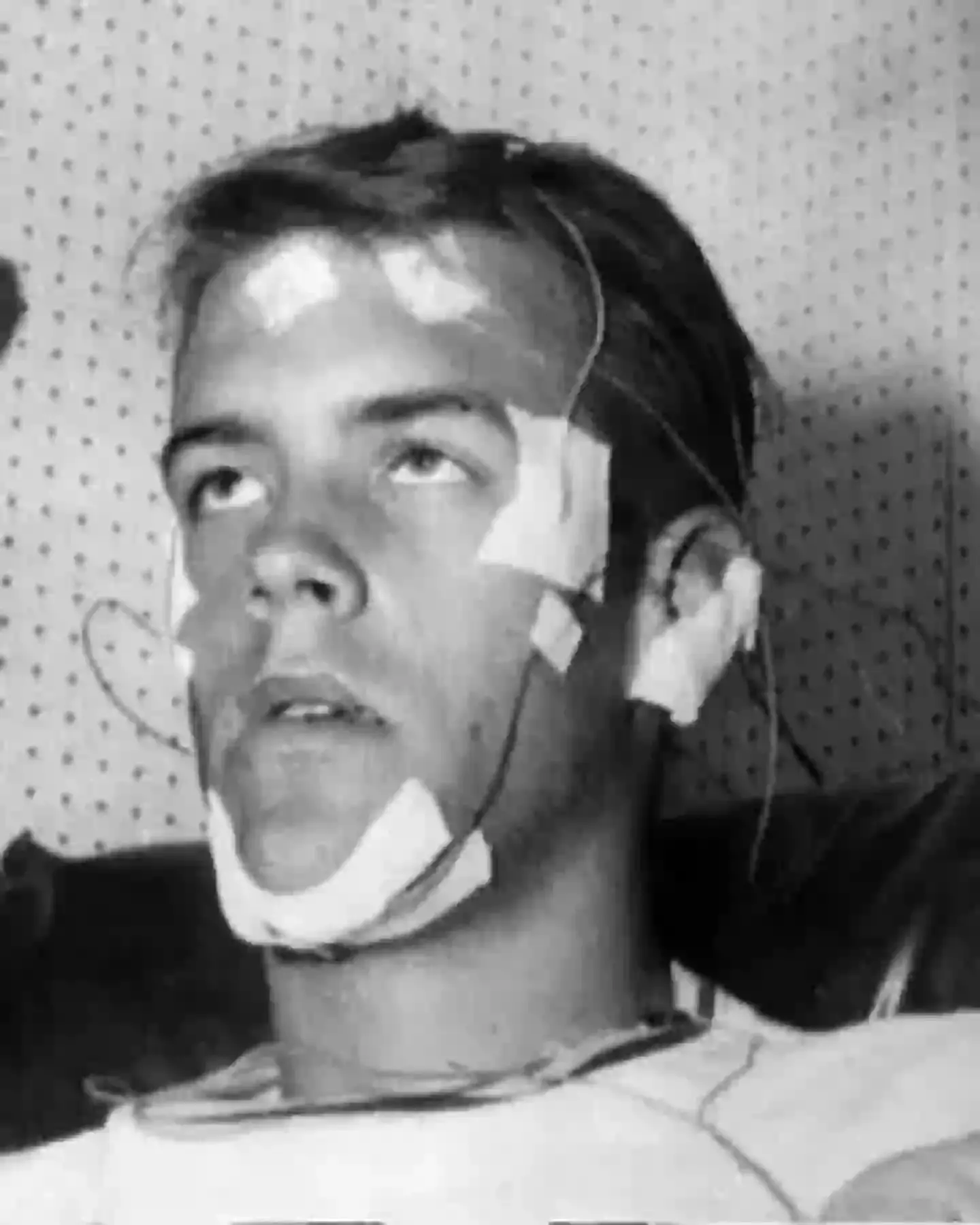
In order to decide which of the duo would do the staying up, they flipped a coin, and it was decided that Gardner would become sleep-deprived in the name of science.
McAllister explained that he also stayed awake to monitor his friend. But after ‘three nights of sleeplessness’ he woke up ‘writing notes on the wall’.
Realising that their feat was more difficult than it seemed, the pair enlisted the help of another friend - sleep researcher William Dement from Stanford University.
Recounting the experiment, the late Washington man said: “[Randy’s parents] were very worried that this might be something that would really be harmful to him. Because the question was still unresolved on whether or not if you go without sleep long enough you will die.”
Of course, those who suffer from sleep deprivation can be at risk of heart disease, exhibit poor balance and be subjected to high blood pressure.
While Gardner and McAllister’s experiment started well, it went on to birth some unexpected results.
After three days without any sleep, the former apparently began to experience concentration issues and short-term memory loss. Gardner was also reportedly suffering from moodiness, paranoia and hallucinations.
Dement said: “He was physically very fit so we could always get him going by playing basketball or going bowling, things like that.
“If he closed his eyes he would be immediately asleep.”
Brain scans would later reveal that the participants’ brain had been ‘catnapping the entire time… parts of it would be asleep, parts of it would be awake’.
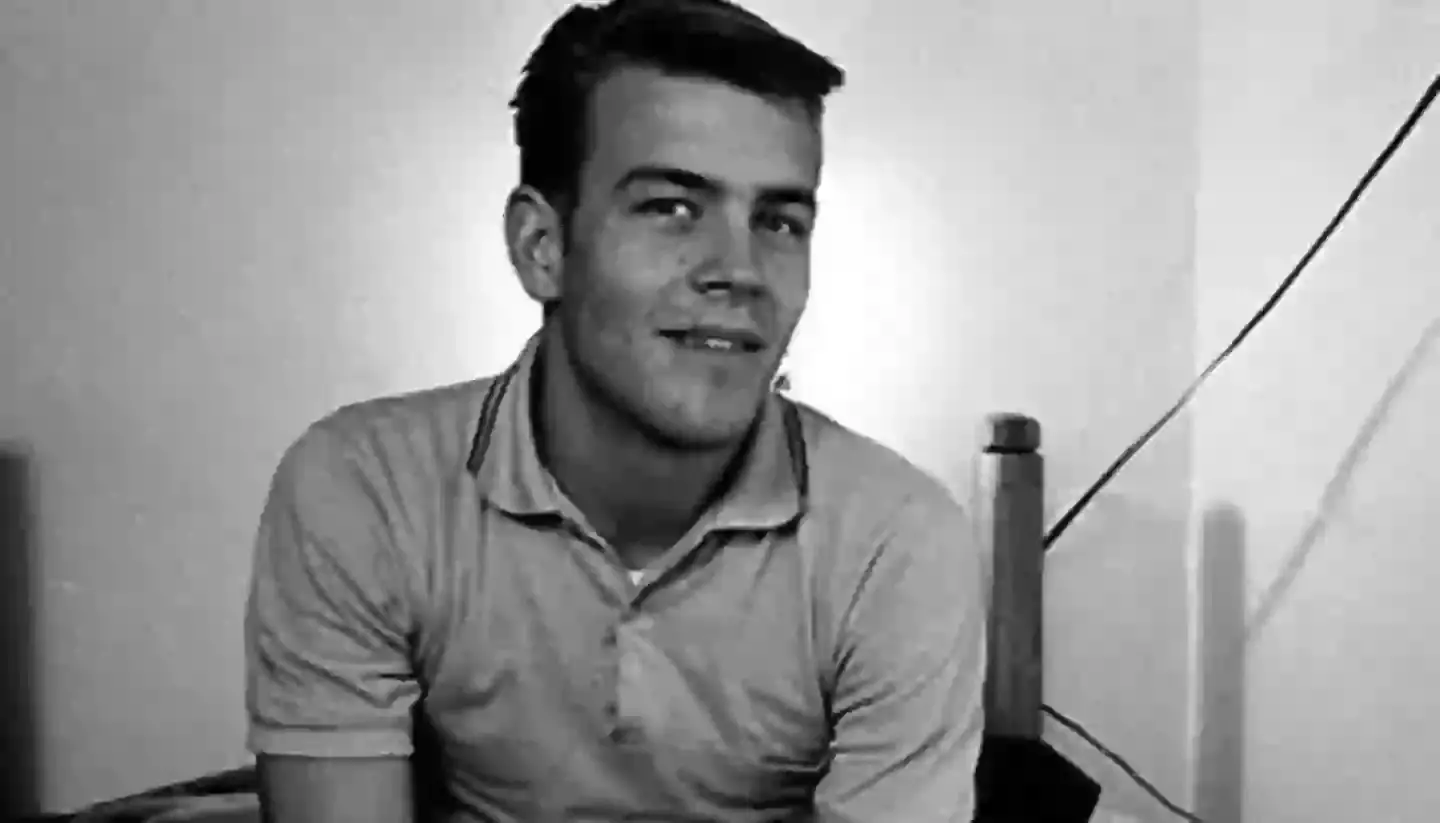
Unbelievably, the teen was able to stay awake for a total of 11 days (264 hours).
This broke the previous record of 260 hours, which was held by a Honolulu-based disc jockey.
After concluding the experiment, Gardner was taken to a naval hospital.
Speaking to NPR, Gardner said: “I slept just over 14 hours. I remember when I woke up, I was groggy, but not any groggier than a normal person.”
Luckily, the teen seemed to have no major short-term issues from completing his science project.
However, he later admitted that he had been suffering from unbearable insomnia for decades.
He explained: "I was awful to be around. Everything upset me. It was like a continuation of what I did 50 years ago.”
 Ella Scott