WHO chief speaks out after visiting epicenter of Ebola virus as death rate revealed

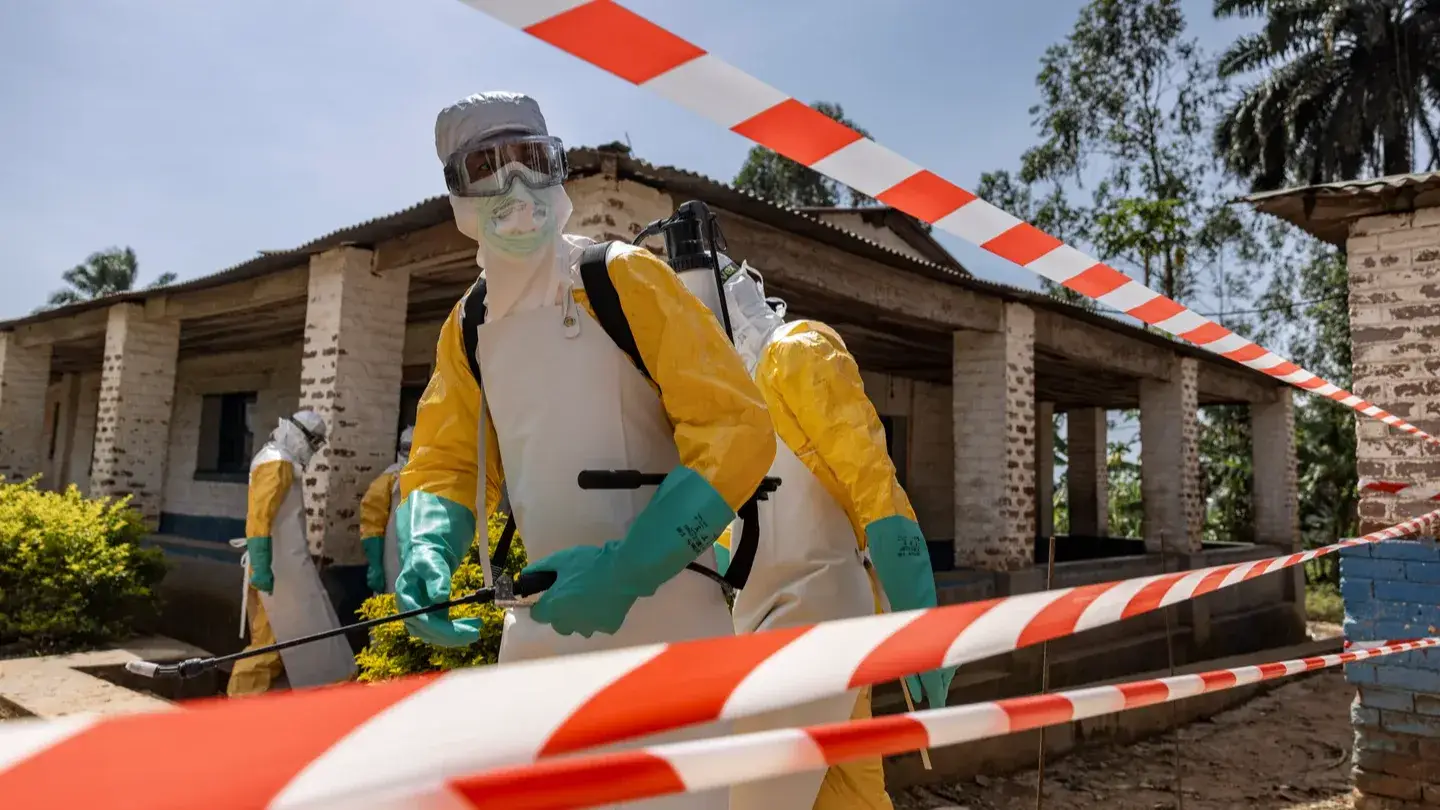
The head of the World Health Organisation has flown directly into the heart of the deadliest Ebola outbreak in recent memory, as experts warn the virus is spreading faster than the global response can keep up with.
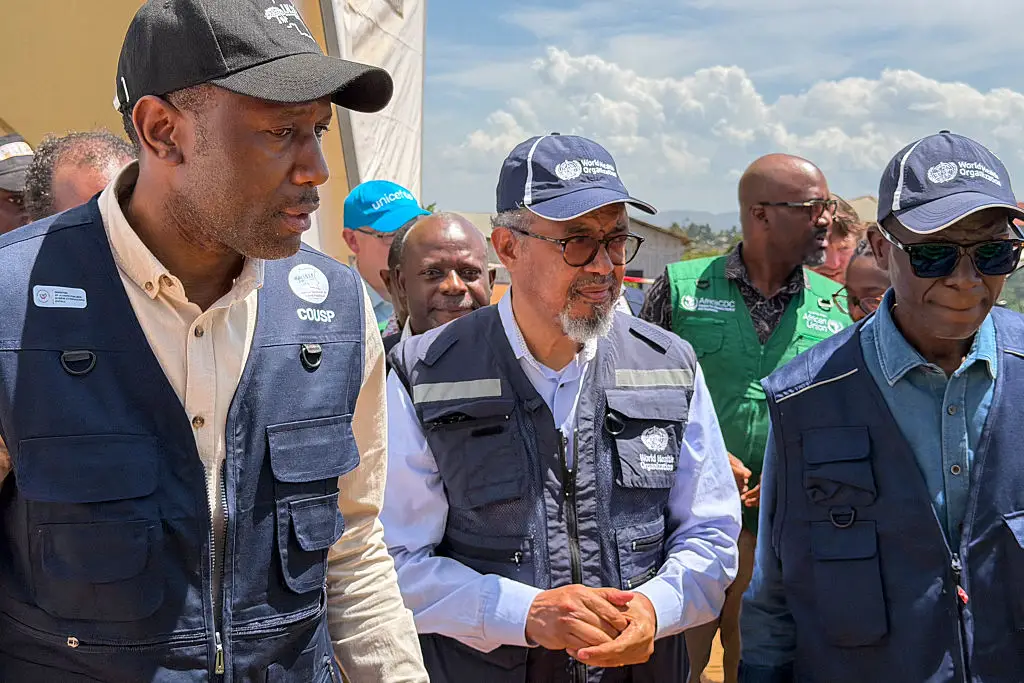
WHO Director-General Tedros Adhanom Ghebreyesus touched down in Bunia, the capital of Congo's Ituri province and the epicenter of the outbreak, on Saturday, where he was met with a situation that even seasoned health officials are describing as one of the fastest-moving Ebola crises ever recorded.
The numbers are grim. A total of 906 suspected cases and 223 suspected deaths have now been reported across the Democratic Republic of Congo, with nine confirmed cases and one death also recorded in neighbouring Uganda.
Advert
Among those confirmed infected, the death rate is estimated at between 30% and 50%.
"That means up to five out of 10 people are likely to die," WHO High Threat Pathogens official Anais Legand said bluntly at a press conference.
Why this Ebola outbreak is different from anything we've seen before
What makes this outbreak particularly alarming is the strain involved. This is the Bundibugyo virus, a rarer species of Ebola for which there are currently no approved treatments or vaccines. That makes it different from the Zaire strain responsible for the devastating 2014-16 West Africa epidemic, where at least some medical tools existed.
Doctors Without Borders put it starkly on Saturday: "Never before has an Ebola outbreak recorded so many cases so soon after its declaration. Nobody knows the true scale and severity of this outbreak."
The response is being hampered on multiple fronts. Armed conflict in the region, involving the Allied Democratic Forces rebel group and the Rwanda-backed M23 militia, has made access deeply difficult.
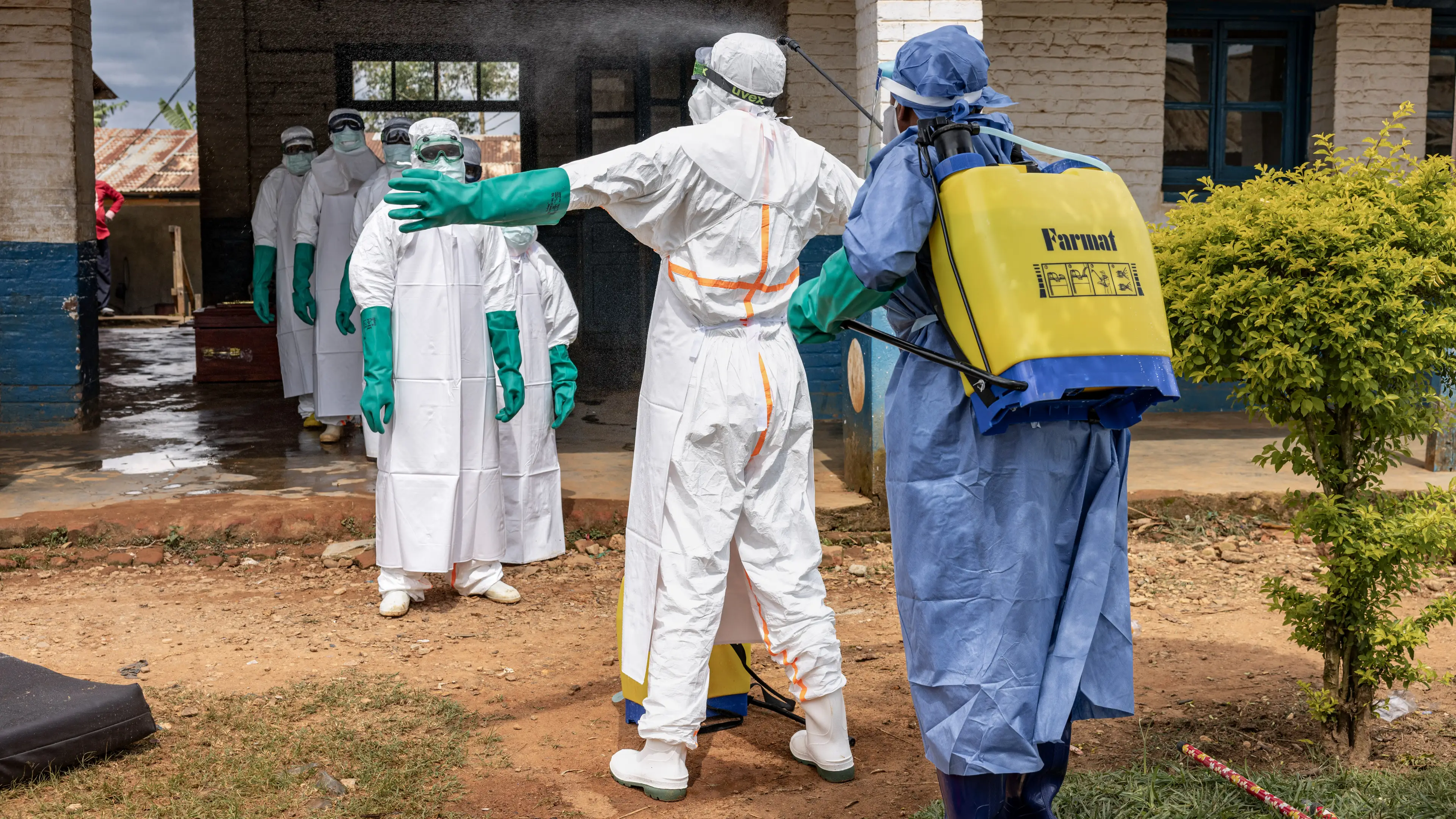
Community resistance has also been a major issue, with residents launching at least three attacks on health centres after clashing with the strict protocols around handling the bodies of Ebola victims, which conflict with local burial customs.
Tedros, speaking alongside Congo's health minister, urged patience and understanding.
"We are not here to tell people what to do, we are here to listen," he said. "Building trust takes time, and it starts with listening."
A Kenyan court just blocked the US from quarantining its own citizens
Meanwhile, in a subplot that raises its own set of questions, a court in Kenya has temporarily blocked a US plan to house up to 50 Americans exposed to Ebola at a makeshift facility built by the US military on Laikipia Air Base.
Kenya's Katiba Institute challenged the plan, arguing it raises "grave constitutional concerns." A judge ruled the field hospital cannot operate until the full case is heard on June 2, just a day after US officials had confirmed Kenya had agreed to the arrangement.
So far, one American, a missionary physician has been exposed to Ebola during the outbreak.
He is currently being treated at a hospital in Prague.
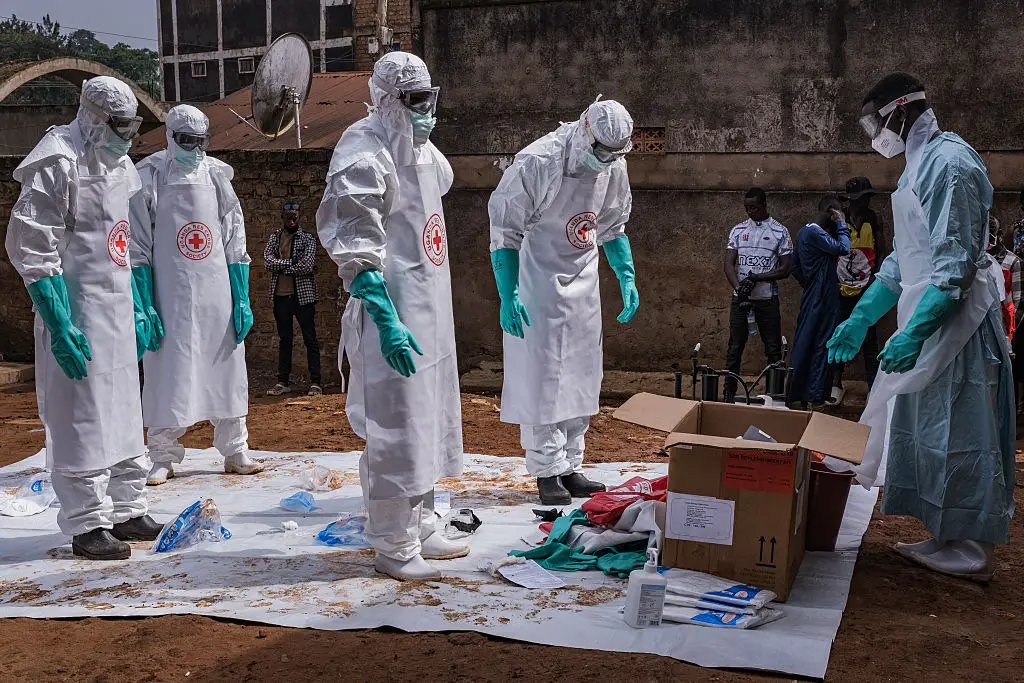
The US has committed more than $112 million to the response effort, with $80 million announced this week alone.
More than 230 CDC employees are currently supporting the response, including 54 screening passengers at four American airports.
On the medical front, WHO experts have recommended prioritising three treatment candidates, the antiviral remdesivir and two monoclonal antibodies, while the most promising vaccine candidate could take up to nine months before it's ready for clinical trials.
Tedros, for his part, is urging countries that have imposed travel bans, including the US, Uganda and Rwanda, to reconsider, warning such measures "discourage the transparency that saves lives."
 Thomas Bamford