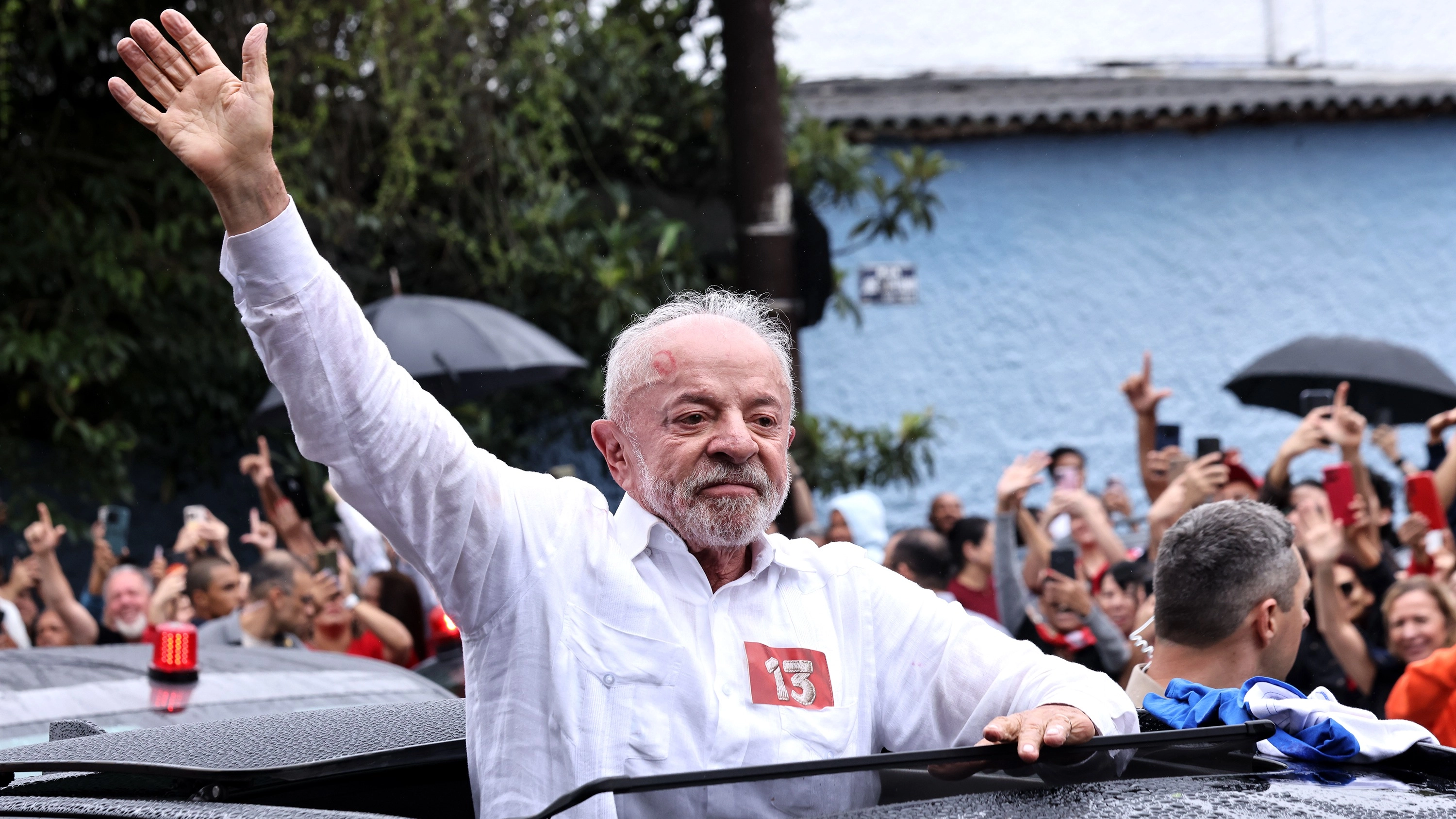
President Lula has been re-elected, Brazil's electoral authority has declared

On Sunday, Brazil’s President Luiz Inácio Lula da Silva was re-elected in a blow to US President Donald Trump.
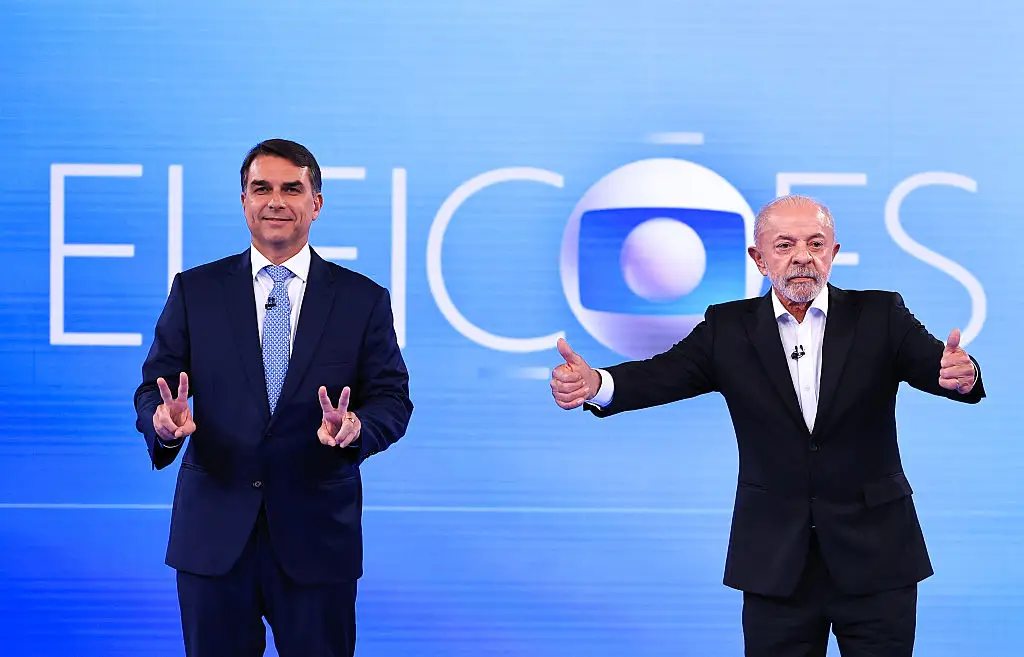
The result over rival Flávio Bolsonaro, is the first time any president of Brazil has overturned a loss in the first round of voting, since democracy returned to the nation in 1988.
Lula, 80, secured 51.76% of the vote against Bolsonaro’s 48.24% after 99.81% of the votes were counted – an overall difference of 2.2 million votes.
Polls were on a knife-edge throughout the stages of counting, with Bolsonaro slightly ahead for much of this time, according to the BBC.
Advert
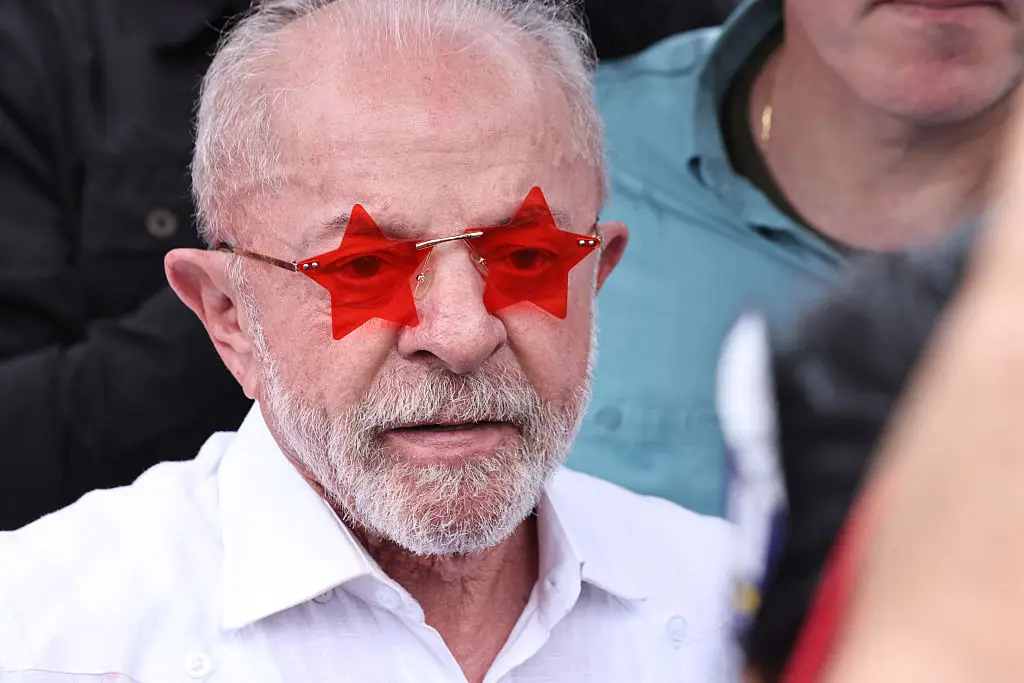
The result followed scenes of chaos in polling stations throughout Brazil after Supreme Court Justice Kassio Nunes Marques ruled at the last minute to extend voting by two hours, delaying the result by just over two hours.
This decision could trigger legal action to overturn the result by Bolsonaro.
Bolsonaro beat Lula in the first round of voting on October 4, and many voters and political commentators doubted Lula would be able to reverse his fortunes in just three weeks.
With other major Latin American countries already under Trump-allied conservative governments - including Argentina, Chile and Colombia - Brazil has bucked the previous trend for voters in the region kicking out left-wing candidates in favour of populist alternatives.
Alongside Mexico, the result means Brazil remains a left-of-centre government sceptical of Trump’s policies in the region.
With a GDP of $2.6 trillion per year, Brazil is Latin America’s largest economy. That it will now remain largely independent of Trump’s policy in the region, will be regarded as a blow to his ambitions in Latin America.
The news was greeted with celebrations by Lula’s supporters in and around the Sao Paulo hotel where he watched the count alongside his wife, First Lady Rosangela da Silva, reports The Associated Press.
Lula’s victory is likely to be his last. The veteran politician launched his political career in the 1970s as a union leader.
He was involved in the founding of the country’s Workers’ Party, which he represented as a presidential candidate three times before he eventually became president in 2002.
He was re-elected in 2006 and replaced in 2010 by one of his cabinet ministers, Dilma Rousseff, who was re-elected in 2014.
Rousseff was impeached in 2014 amid a corruption probe which also enveloped Lula, who was jailed in 2018, however he was freed after serving 580 days in prison after the Supreme Court annulled his conviction, reports The AP.
He beat former president Jair Bolsonaro in 2022.
Topics: Politics
 Michael D. Carroll